
Yarn Edition #4: 10 ply
When WGW yarn was in its infancy, back in 2012, I wanted to make a 10 ply to go with our 4 and 8 ply yarns. At the time I was strongly advised by the mill to limit the ply weight to 8 ply to help prevent pilling. So, even though this Yarn Edition is mainly a celebration of getting to 10 ply a decade later, I need to back up and explain why we couldn’t do it sooner.
Like many things on the farm, the evolution of WGW yarns has been an iterative, organic process, with lots of trial and error. It is seldom that I have been able to go straight to something I thought I wanted to do, without having to take detours, and backtrack, along the way.
Pilling happens with ALL fibres —
it is not limited to wool.
Some fibres will inevitably stick out sideways from the body of the yarn, and with time and wear, will roll themselves up into little balls, still attached to the garment by the part of the fibre that is held in the yarn. Pills are readily removed with a good shaver — like the Classic 50 we recommend — but until they are, they can make the garment look untidy at best, and downright shabby at worst.
Some fibres have more tendency to pill than others, and superfine wool fits in the latter category. This is simple geometry. The amount of pilling is proportional to the number of fibres sticking out sideways, which is in turn proportional to the number of fibres in the cross-section of the yarn. Superfine wool has lots more fibres in a given cross-section than does a coarser fibre; in fact, WGW yarn made with 17 micron fibre will have nearly twice as many fibres in its cross-section as a yarn made with 22 micron wool.
Design Spun, our mill, felt that an 8 ply yarn was the heaviest we could make to keep pilling to a minimum. It helps that the worsted spinning process involves realigning the fibres in the direction of spin, a process called gilling, to limit the number of fibres lying sideways in the yarn.
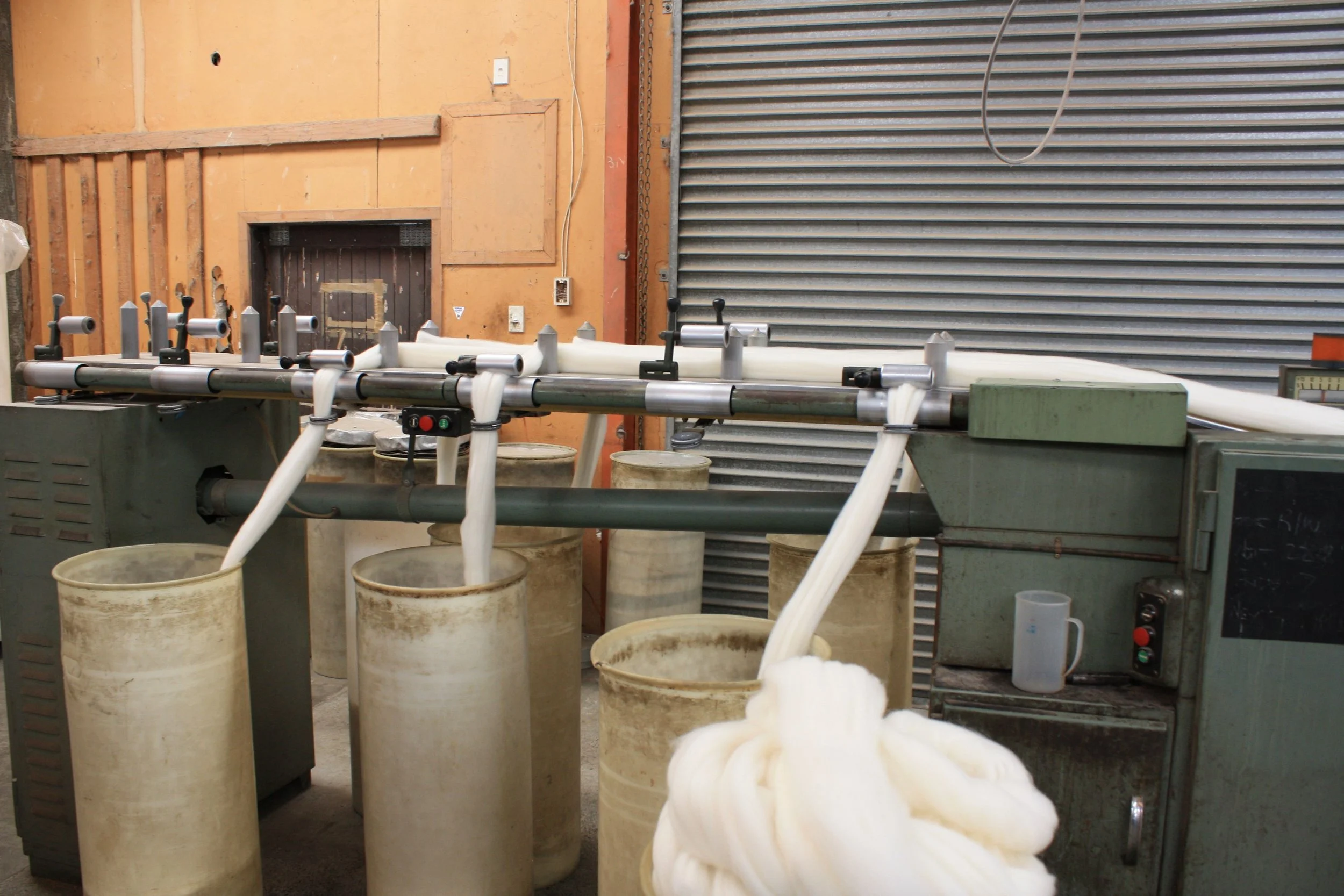
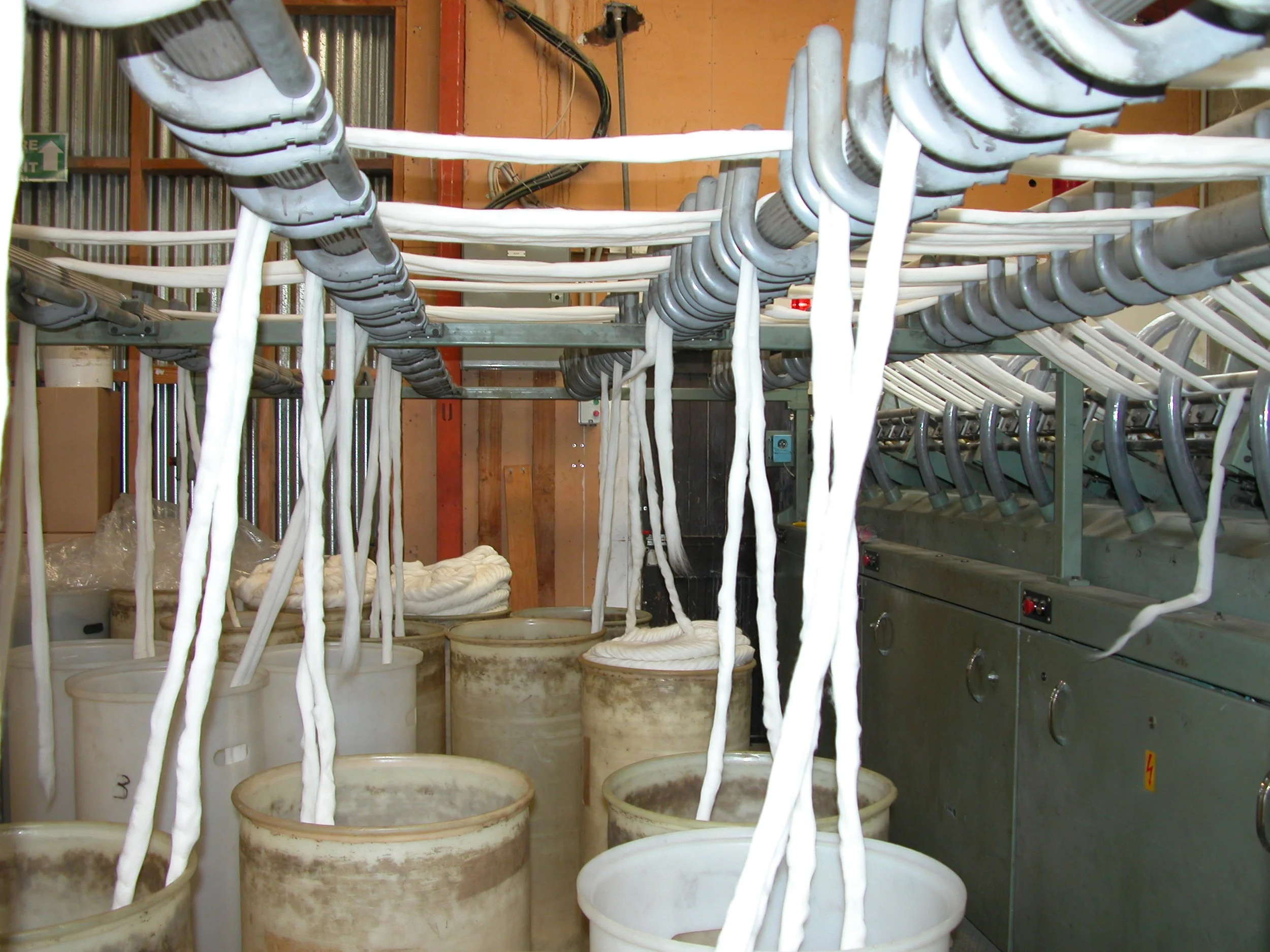
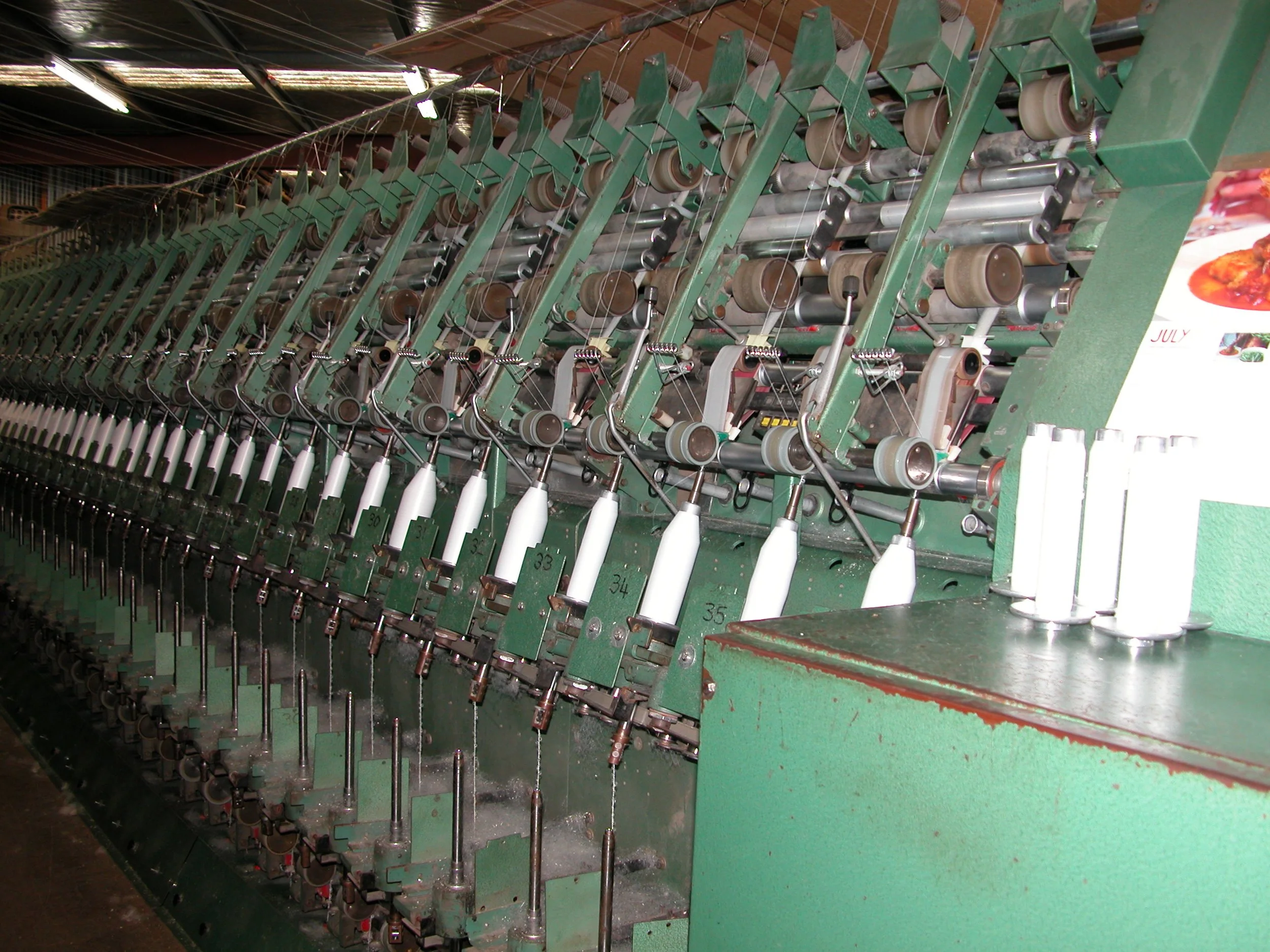
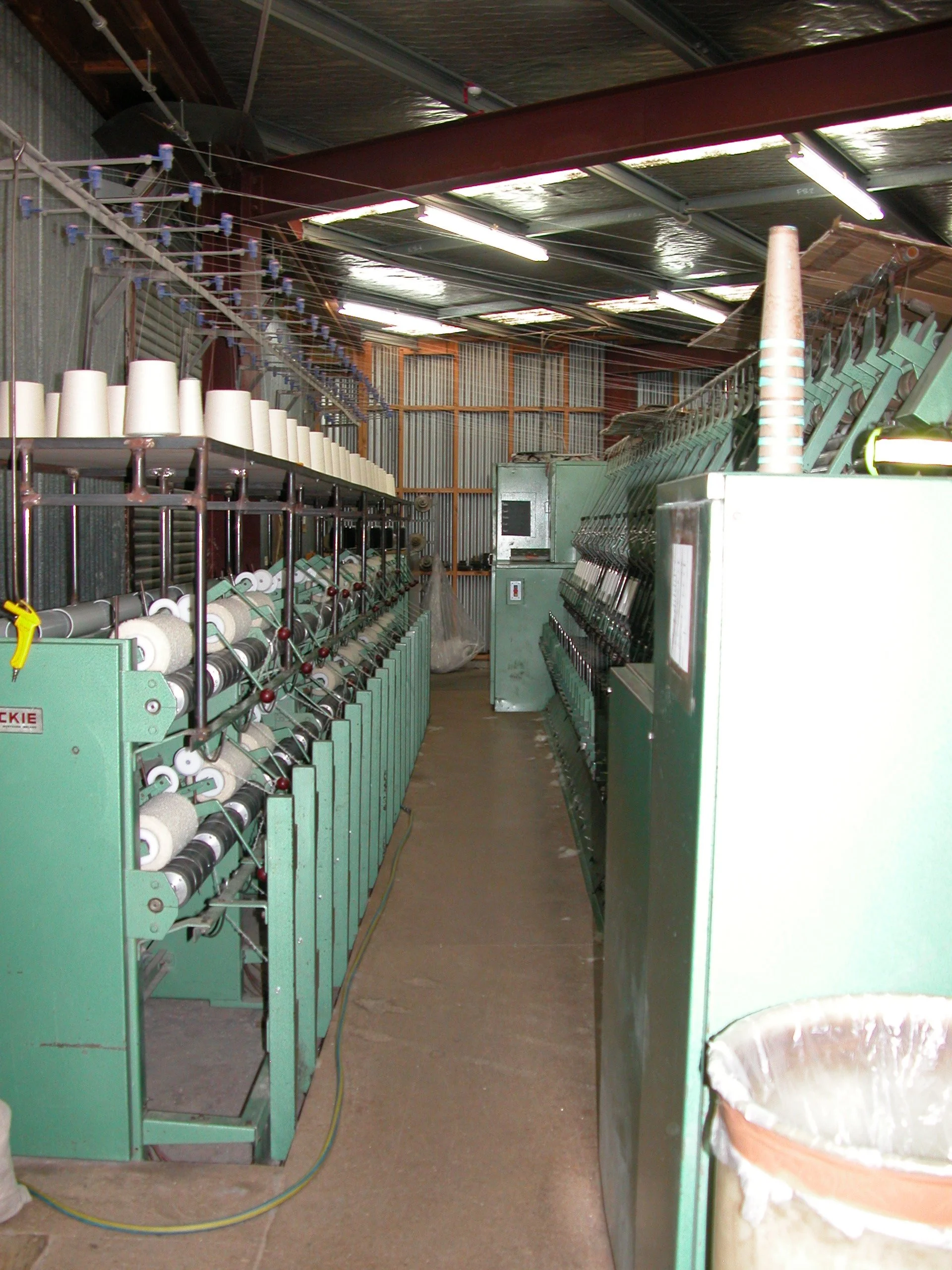
To satisfy my longing for a chunkier yarn, we did an end-run around the issue by making bouclé, a wrapped yarn with an open core of gilled fibre and a thin thread spiralled around it for strength. While still somewhat susceptible to pilling, it is much less so than its counterpart worsted spun yarns.
And that was the state of play for 10 years. Then a few years ago I decided to explore a different approach to WGW sock yarn, one that didn’t involve using synthetic fibres as reinforcement. We were already making a silk and merino blend yarn, and I began with the idea of using silk, a very strong fibre, as the reinforcement.
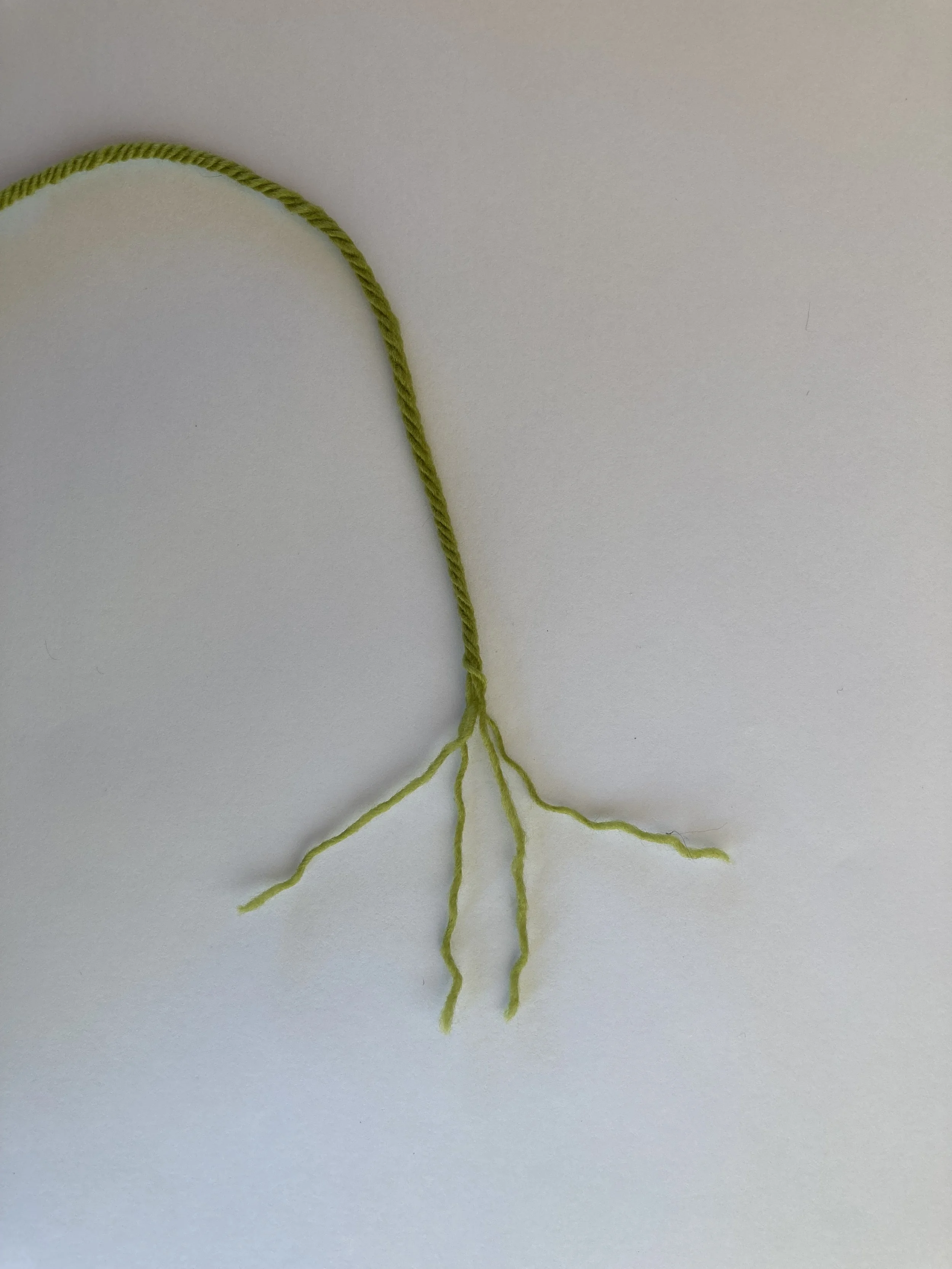
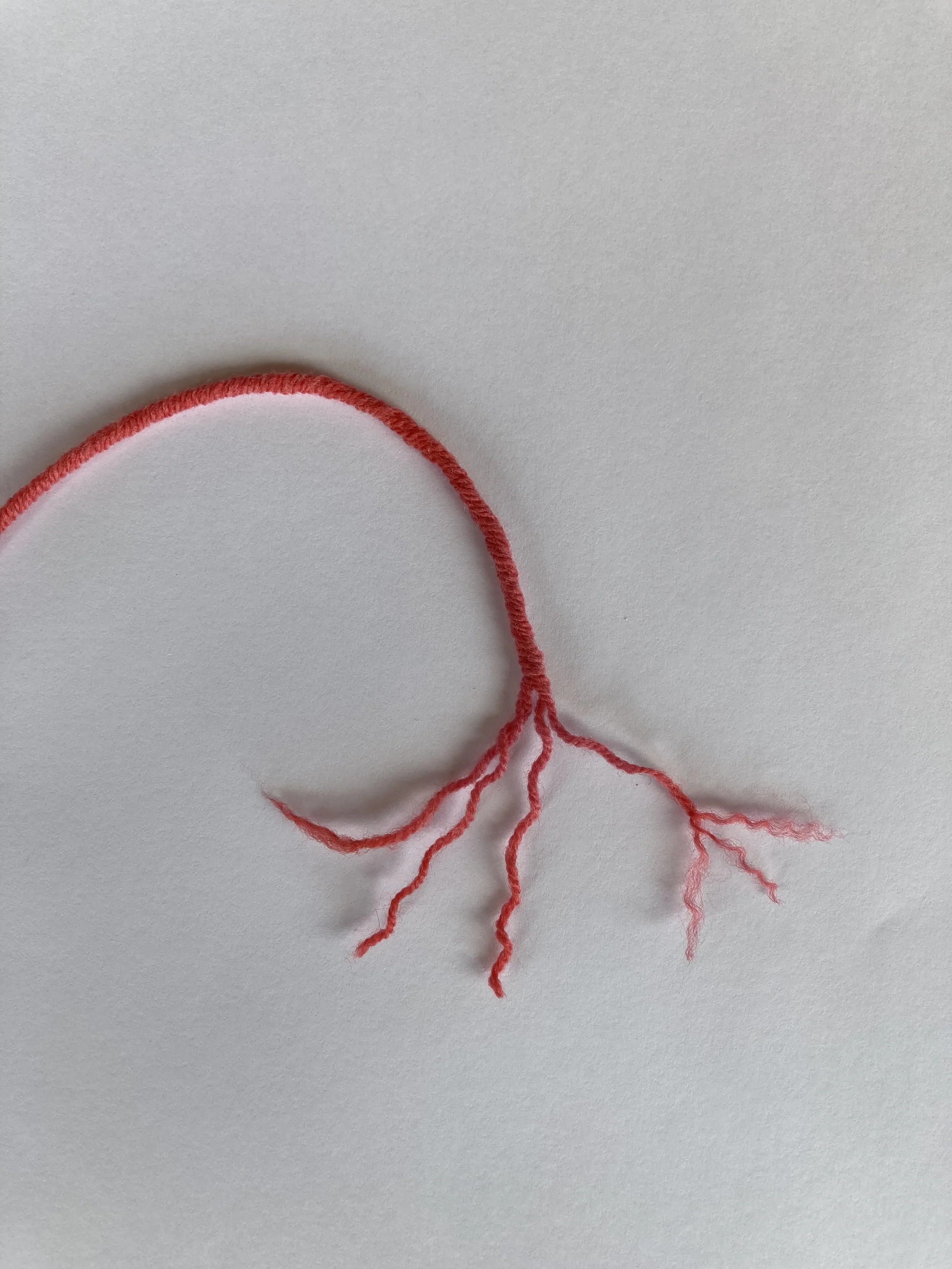
The mill suggested a further refinement: a style of plying called ‘twist-on-twist’, known to wear better than the standard, softer ply we had been using. Twist-on-twist uses a finer single yarn (the building block of all yarns). Rather than simply ply several strands together to get 4, 8 or 10 ply, with twist-on-twist the singles are first twisted into several pairs, then two or more pairs are twisted together to get the desired yarn weight; hence the name twist-on-twist. We decided to try it for our sock yarn, and though it doesn’t wear quite as well as our nylon-reinforced sock yarn did, it is much stronger than our standard 4 ply, and got us away from synthetics.
And then we discovered the wonderful side benefit:
by hiding the first level of pairs inside a second ply or twist
we reduced the amount of pilling markedly — those pesky
cross-fibres were mostly contained inside the second twist.
We also found that although twist-on-twist yarns look quite different in the ball, once knitted up, they are indistinguishable from our older style both in appearance and handle. Since discovering how well twist-on-twist yarns wear, we have been gradually transitioning our worsted spun inventory to twist-on-twist.
Still, it took me an embarrassingly long time to realise that this also meant we could try making 10 ply, as long as we made it twist-on-twist, and voilá! It worked.
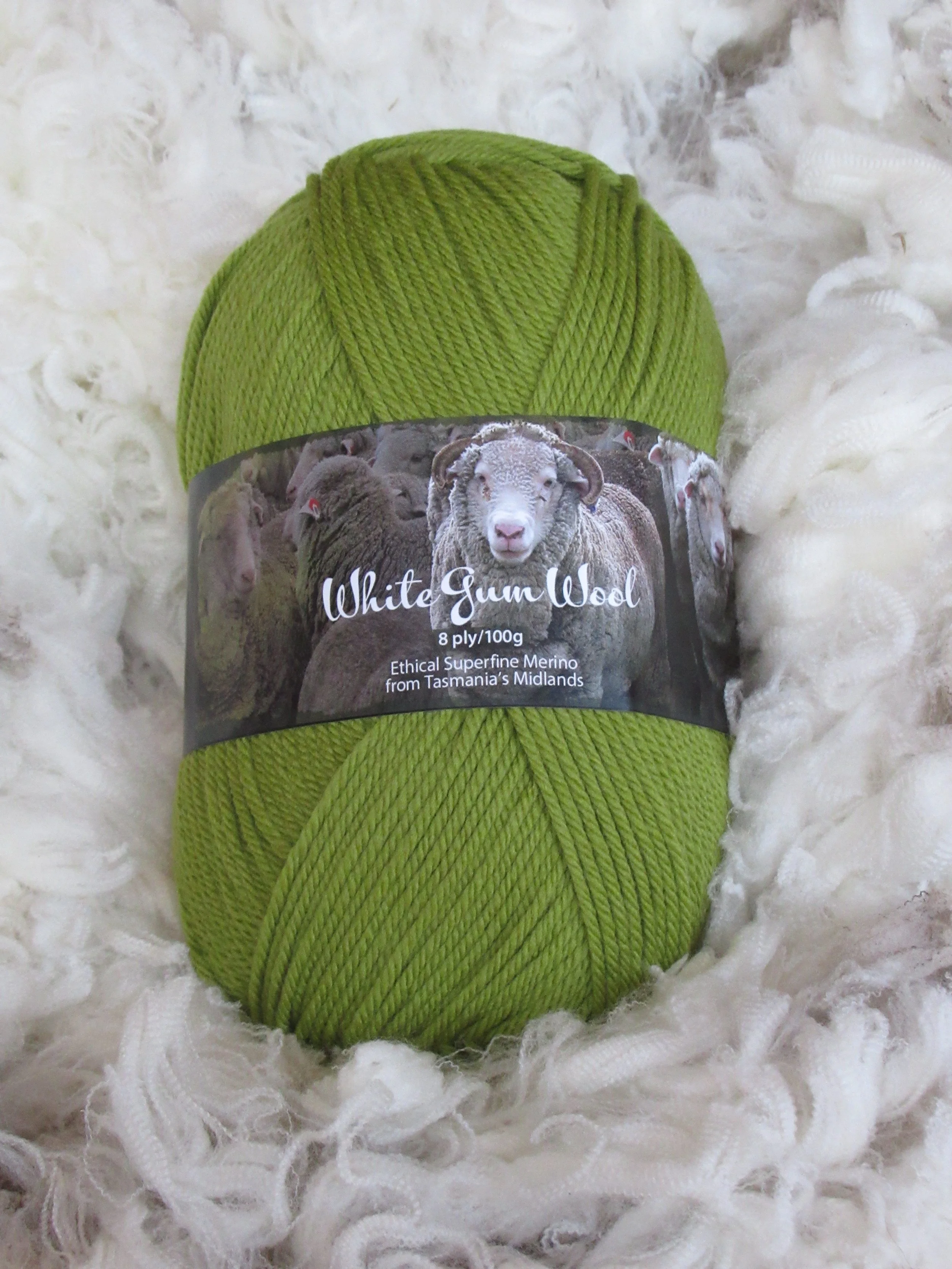
We now have 10 ply in both silk merino and 100% merino
in most of our standard colour ways
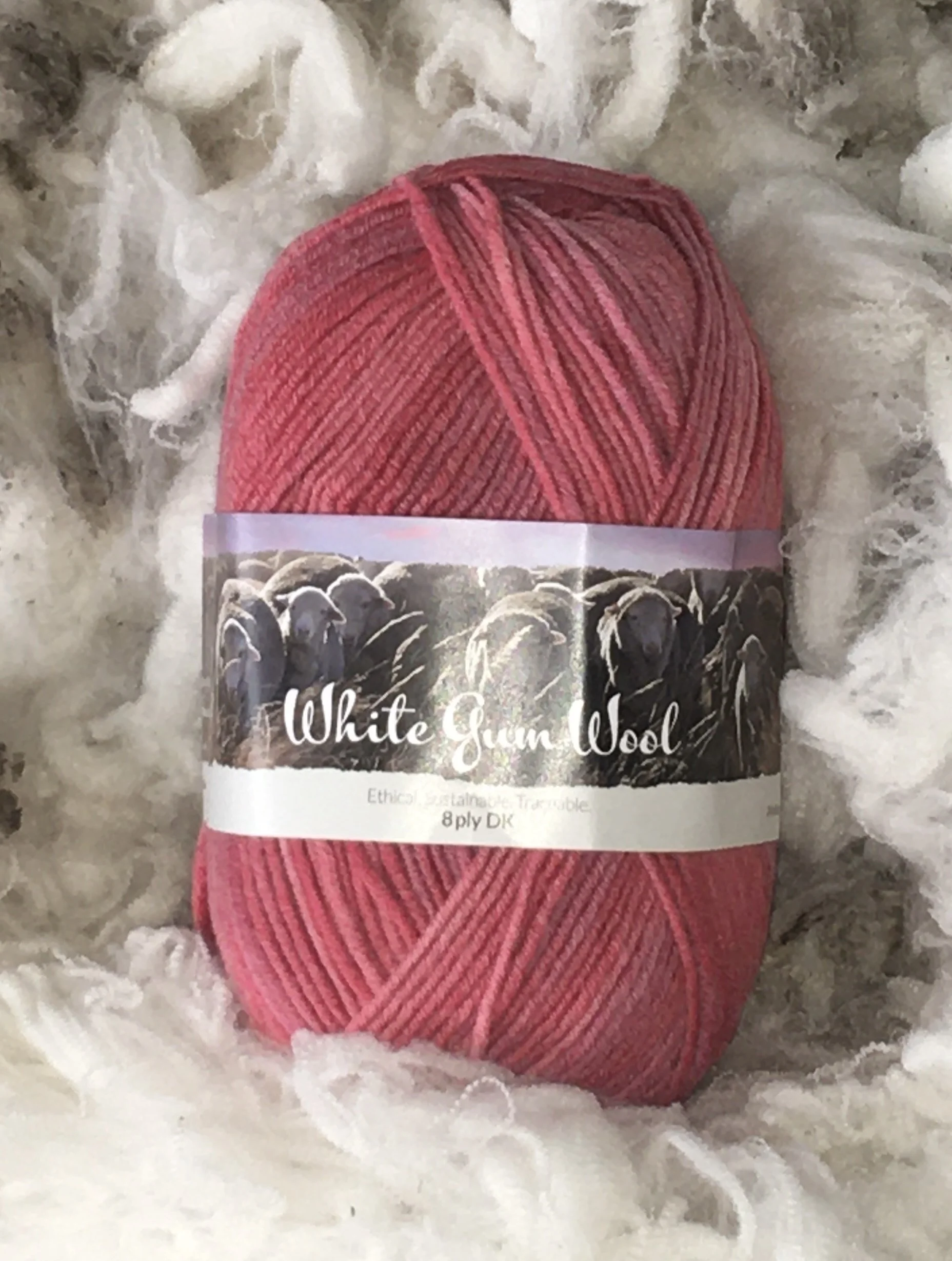
We also have a limited stock of Augustbird hand-dyed 10 ply shown in the gallery below.
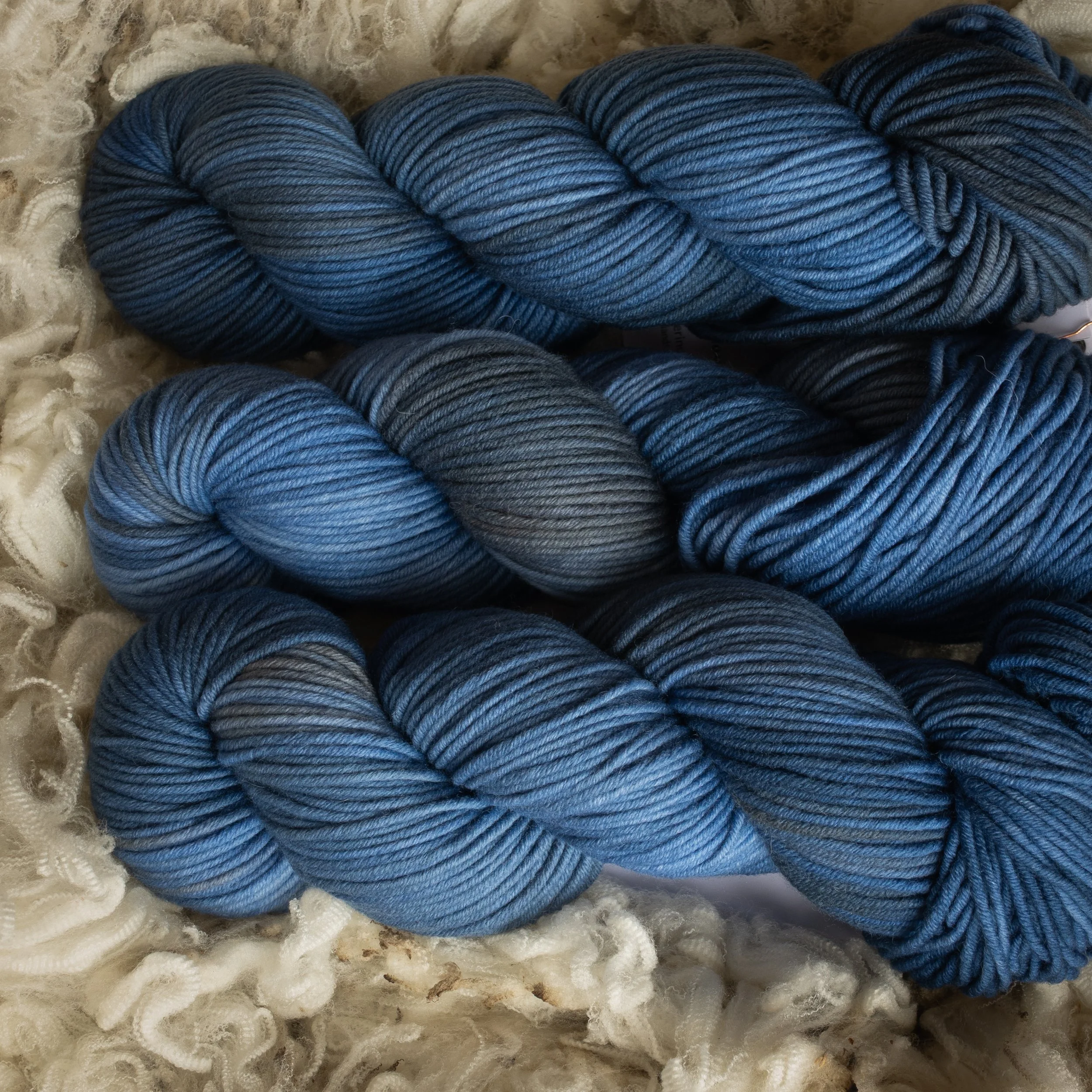
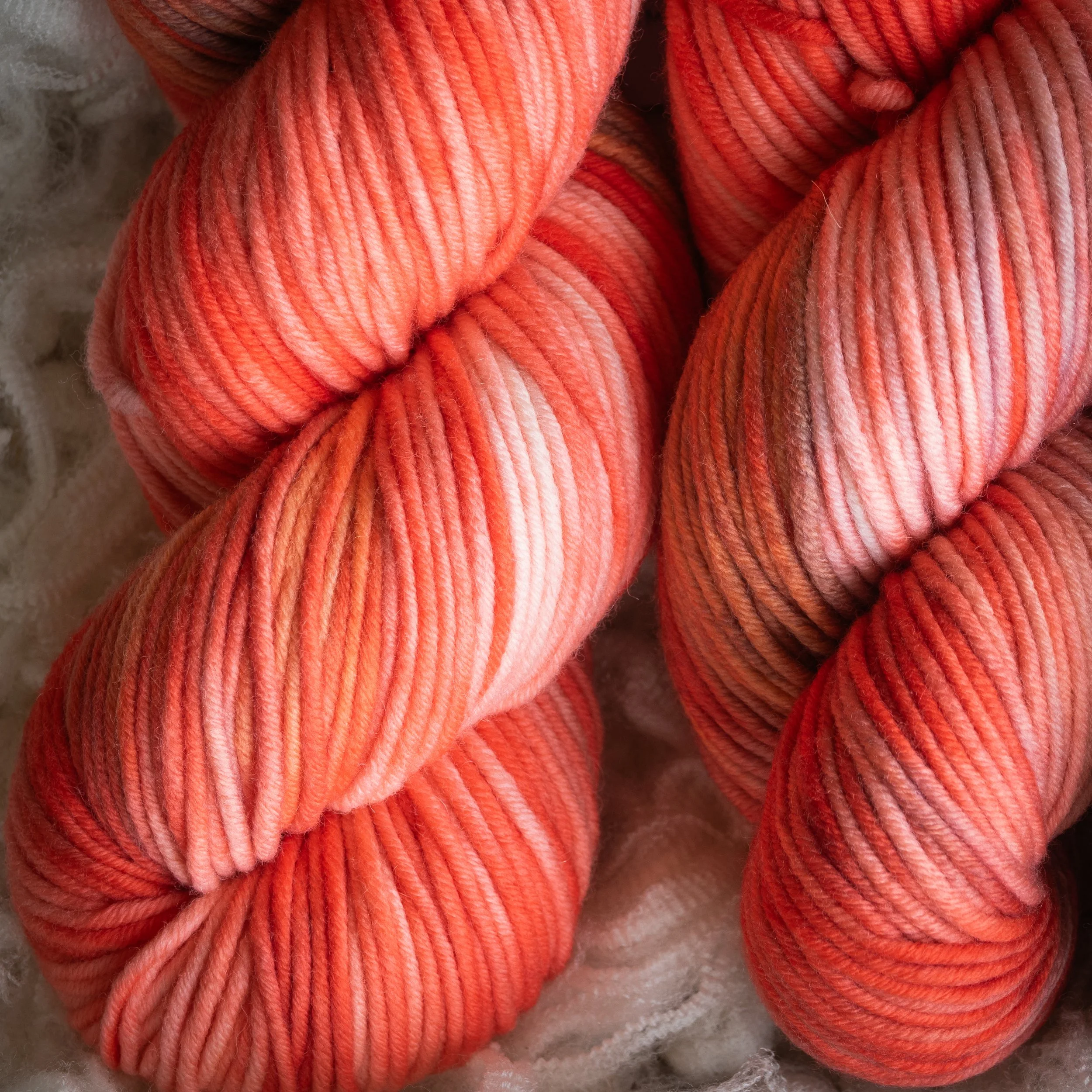
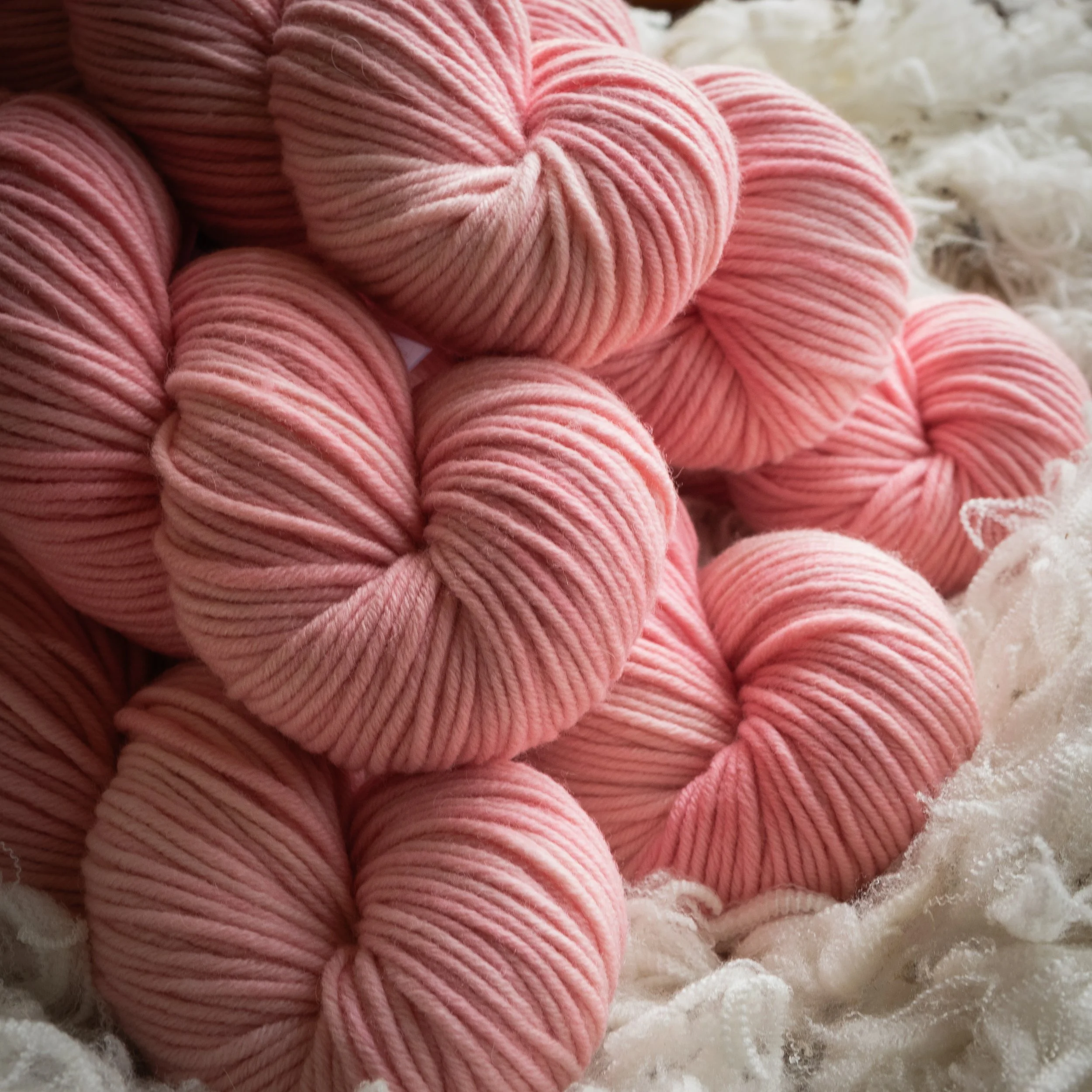
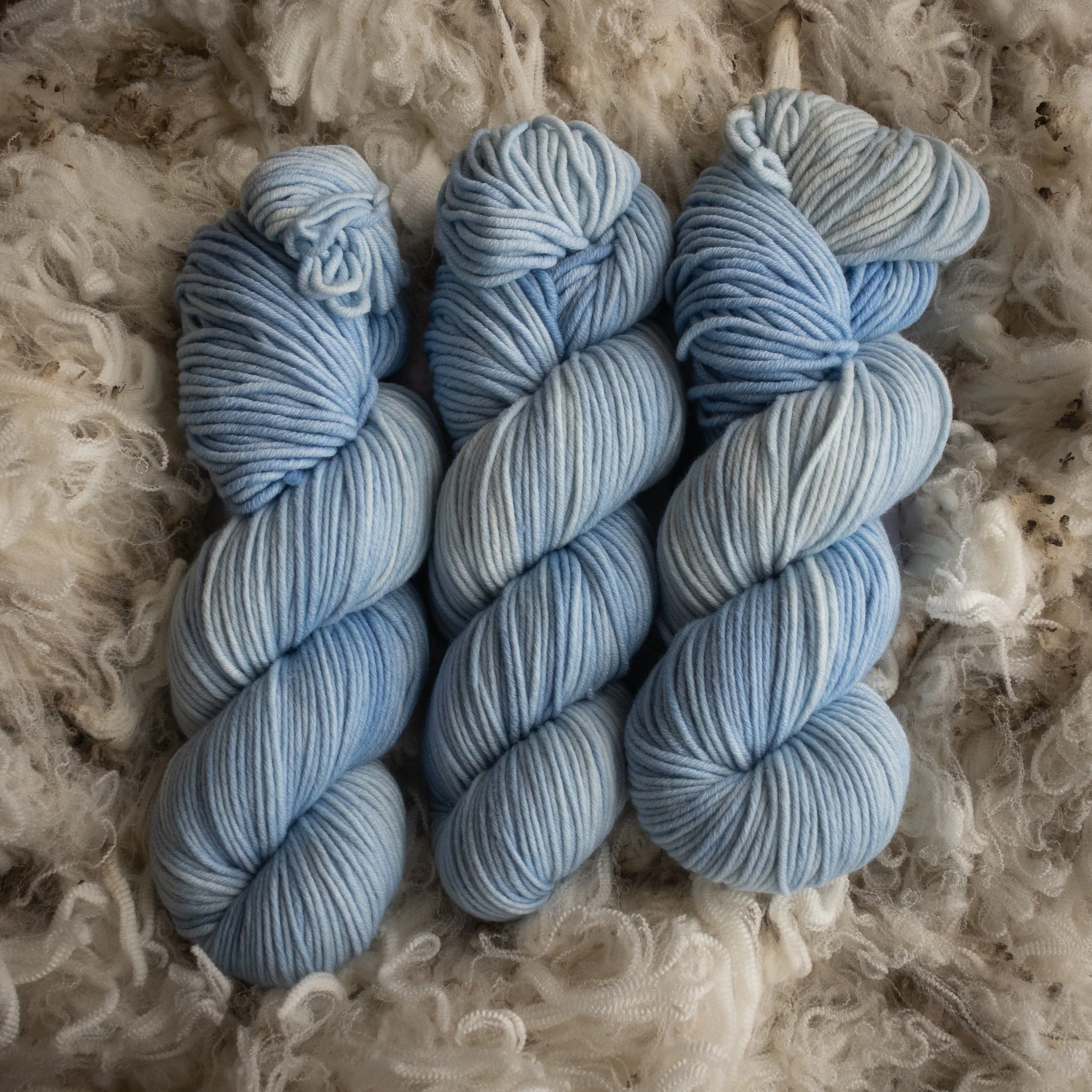
The last piece we were missing was 10 ply patterns, and with the launch of two new patterns by Ali McCarney of Boris + Stasha Designs, we are finally on our way to having everything you need to explore working with this delightful new yarn.
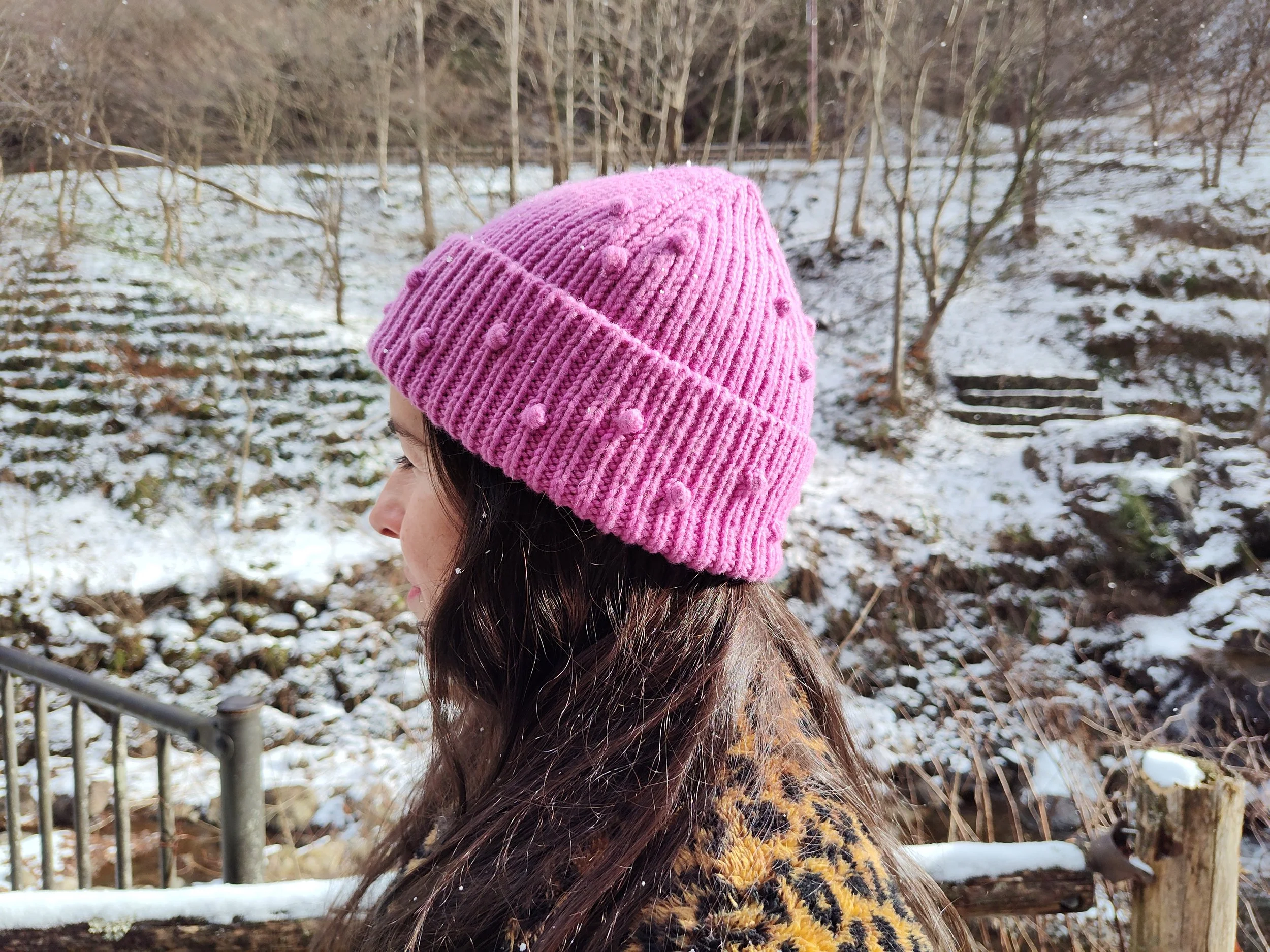
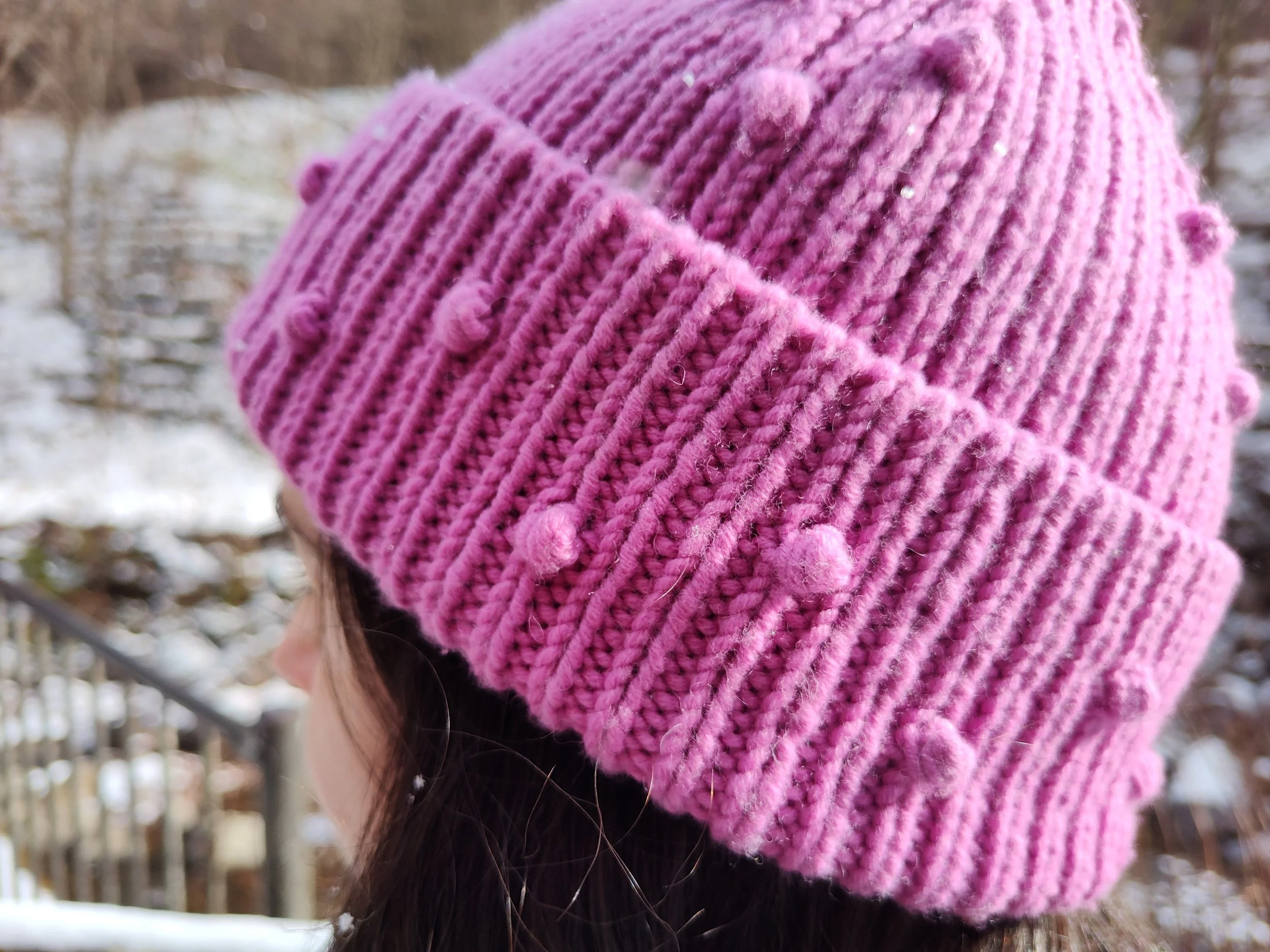
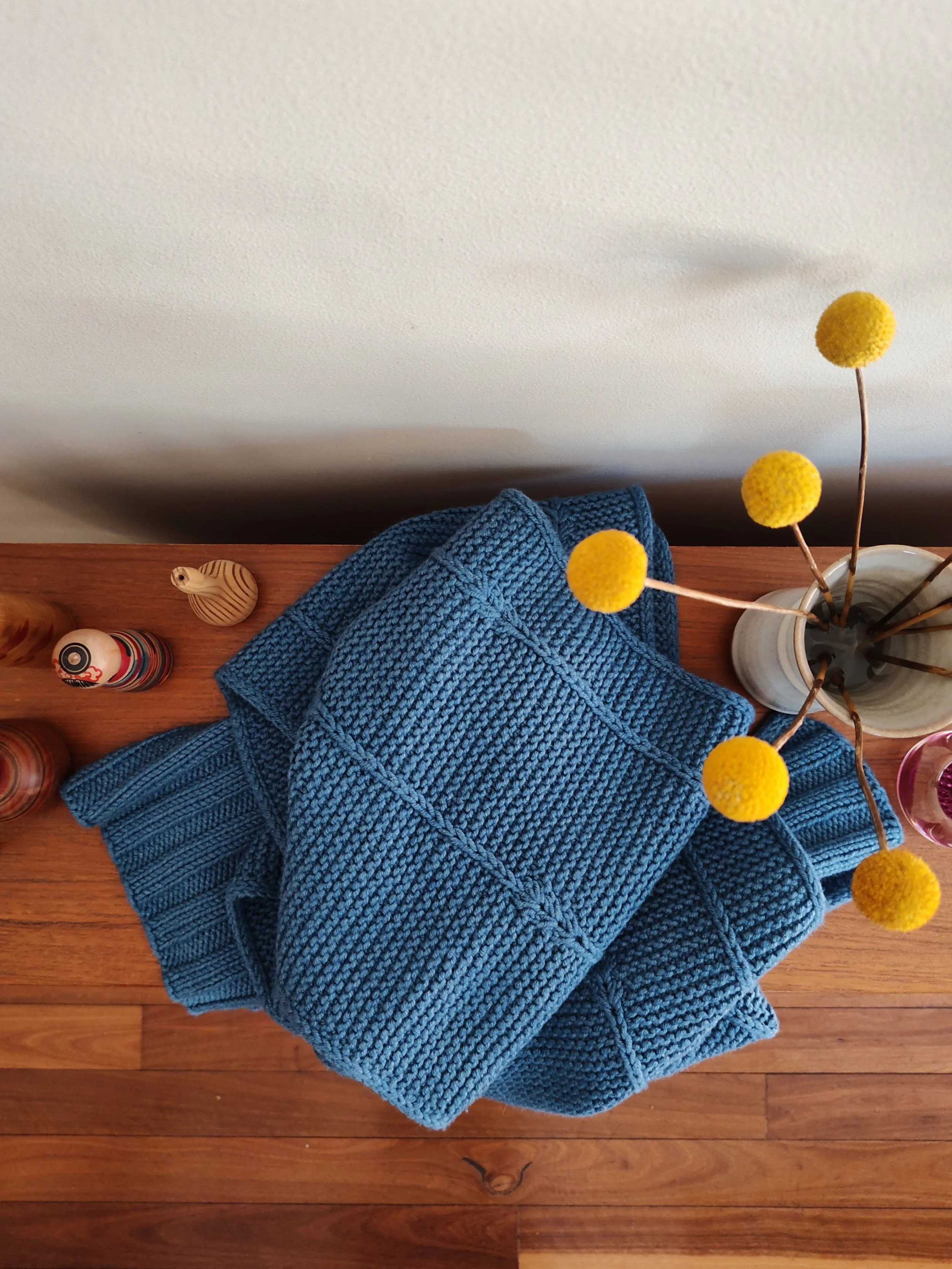
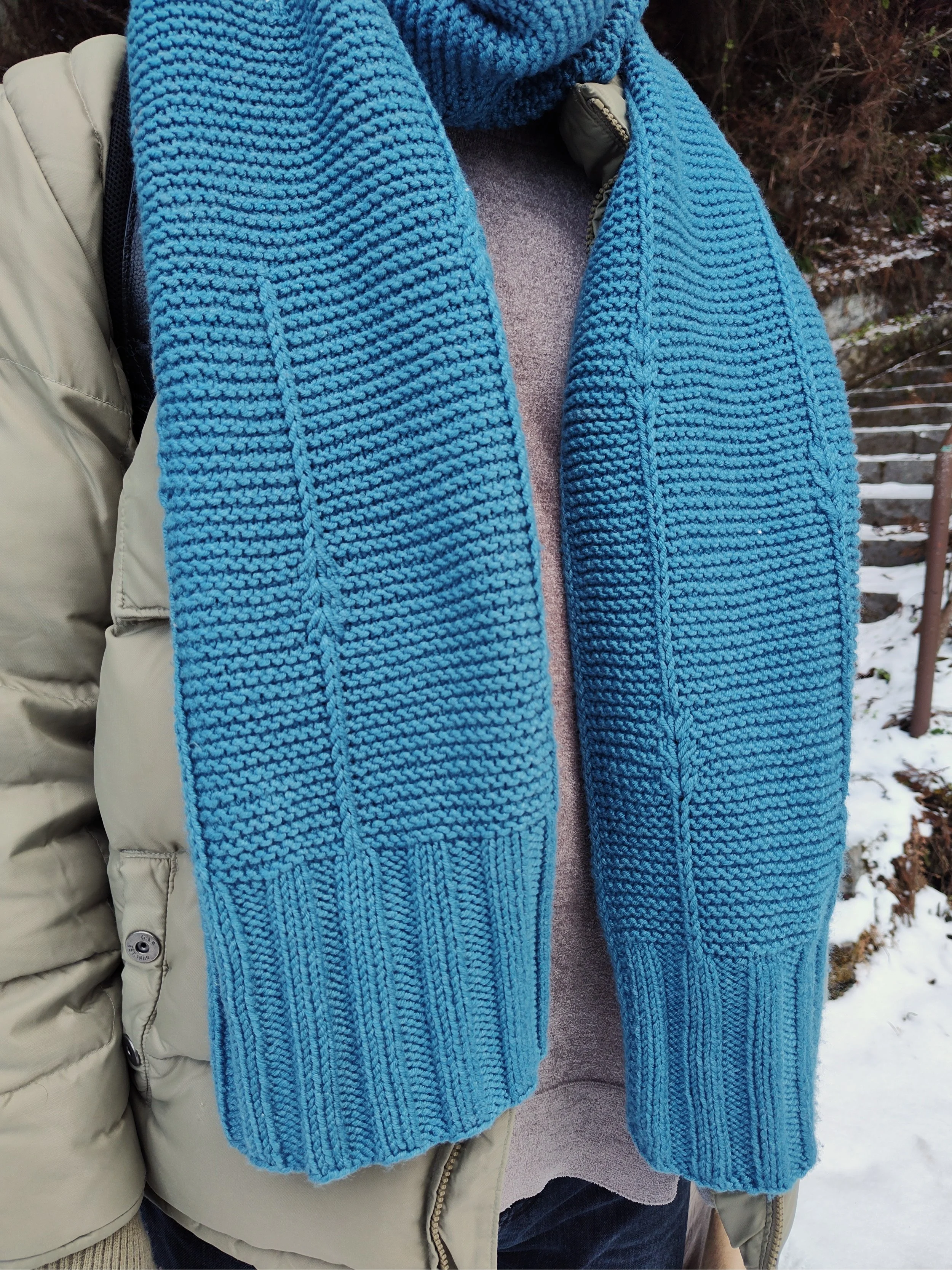
Ali talks about her design process and her new patterns in the video below.