The Circle of Life
Why do you suppose songs like Elton John’s iconic Circle of Life evoke such strong emotion? I’m always on the edge of tears when I hear it. It’s not just the lyrics, and not just the melody — maybe it’s the context: a shared longing for harmony and belonging in a world that often feels dislocated and angry.
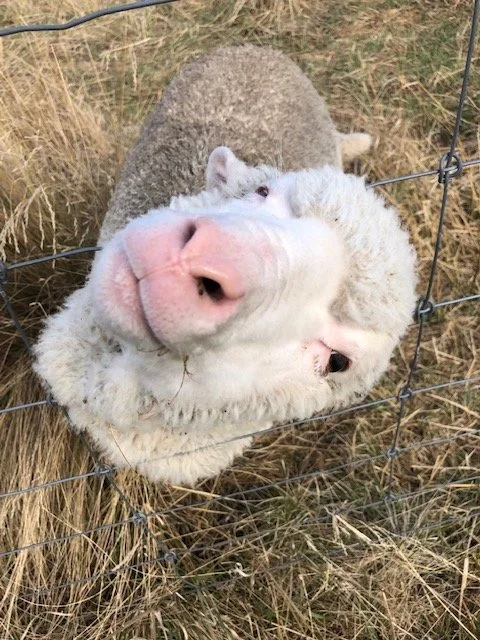
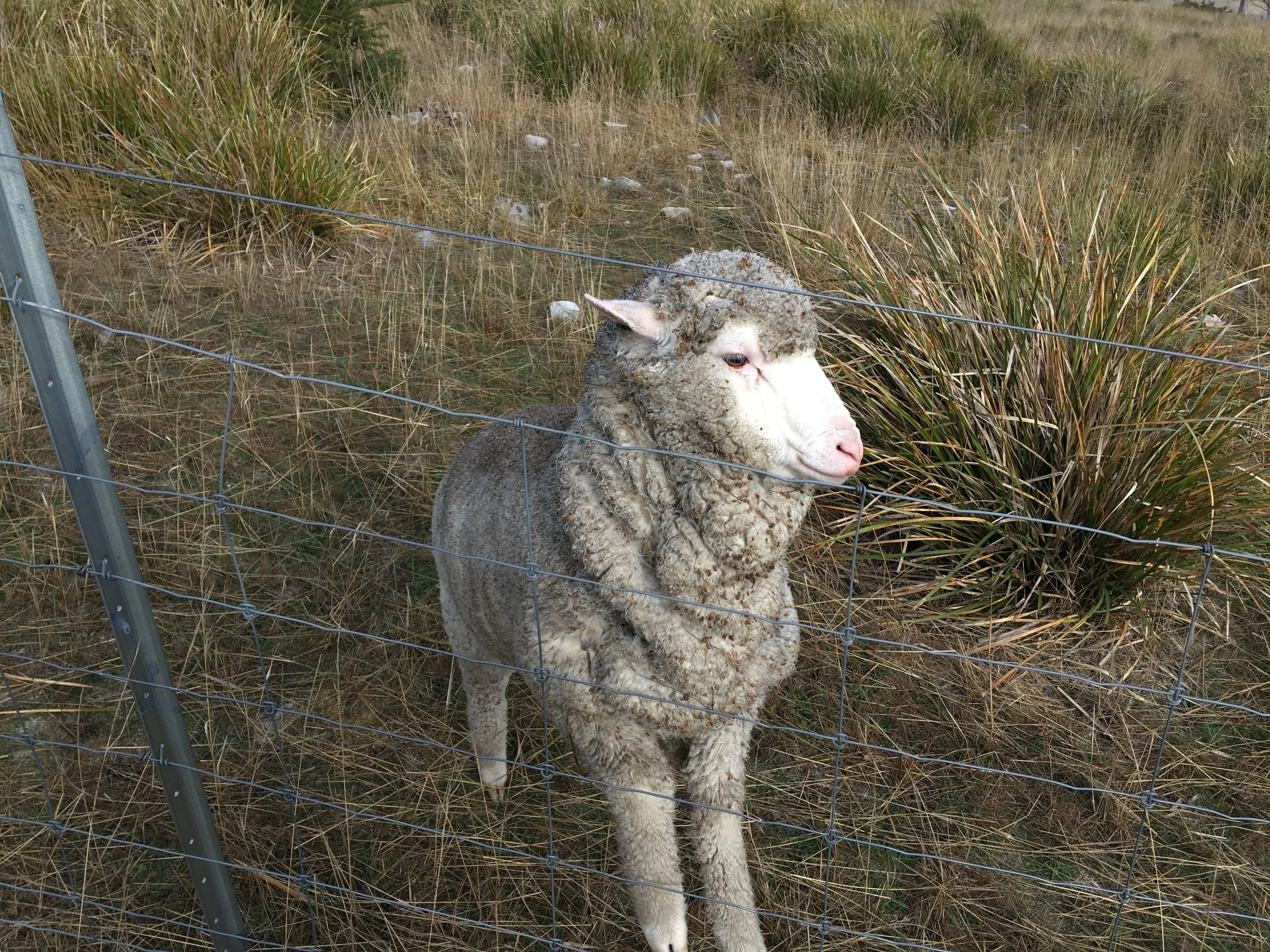
Lately I’ve spent a lot of my time and energy being something between a health minister (a group for which I’m developing more sympathy) and an aged care practitioner, as I grapple with how to maintain the best possible quality of life for my older sheep.
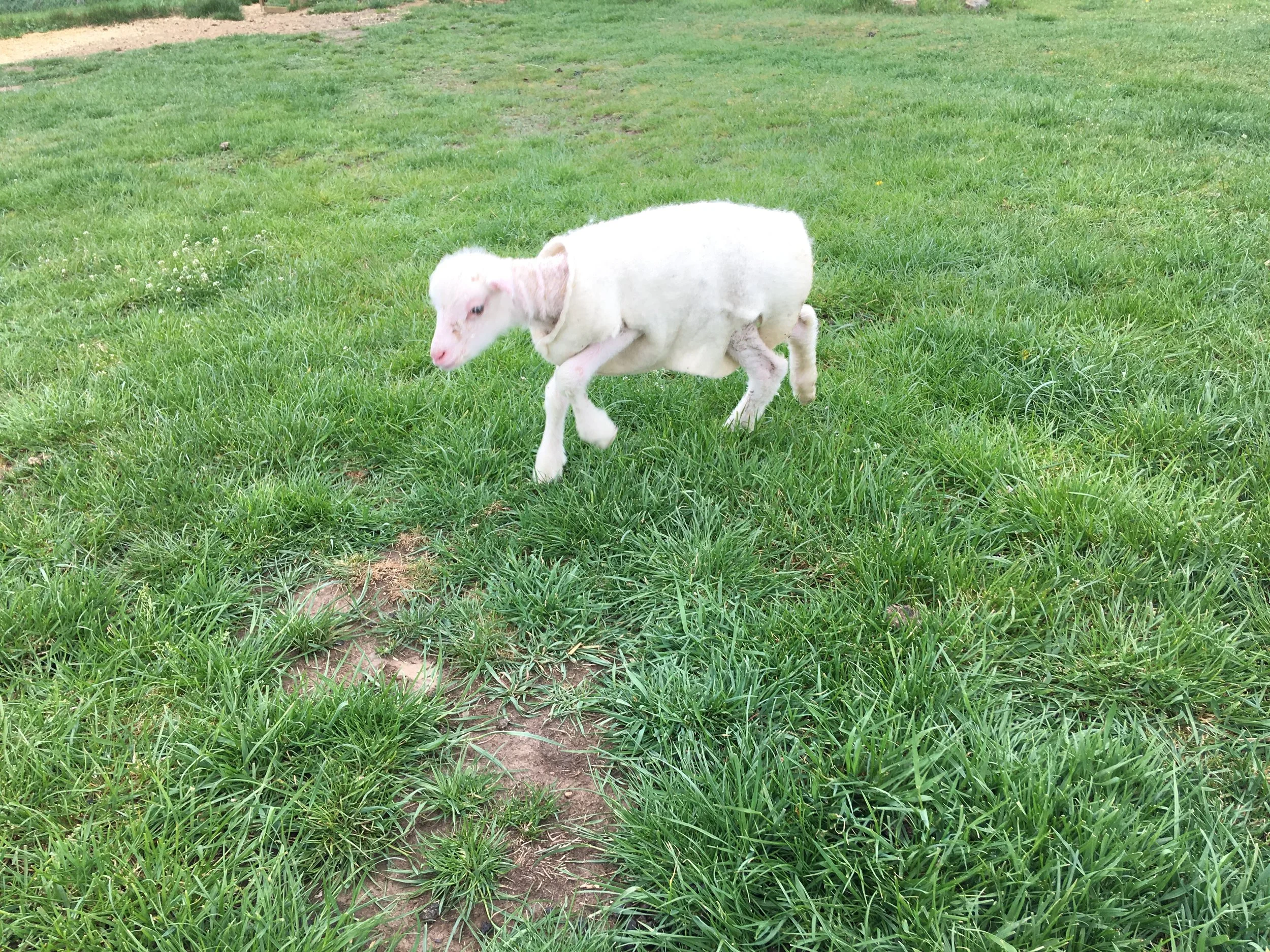
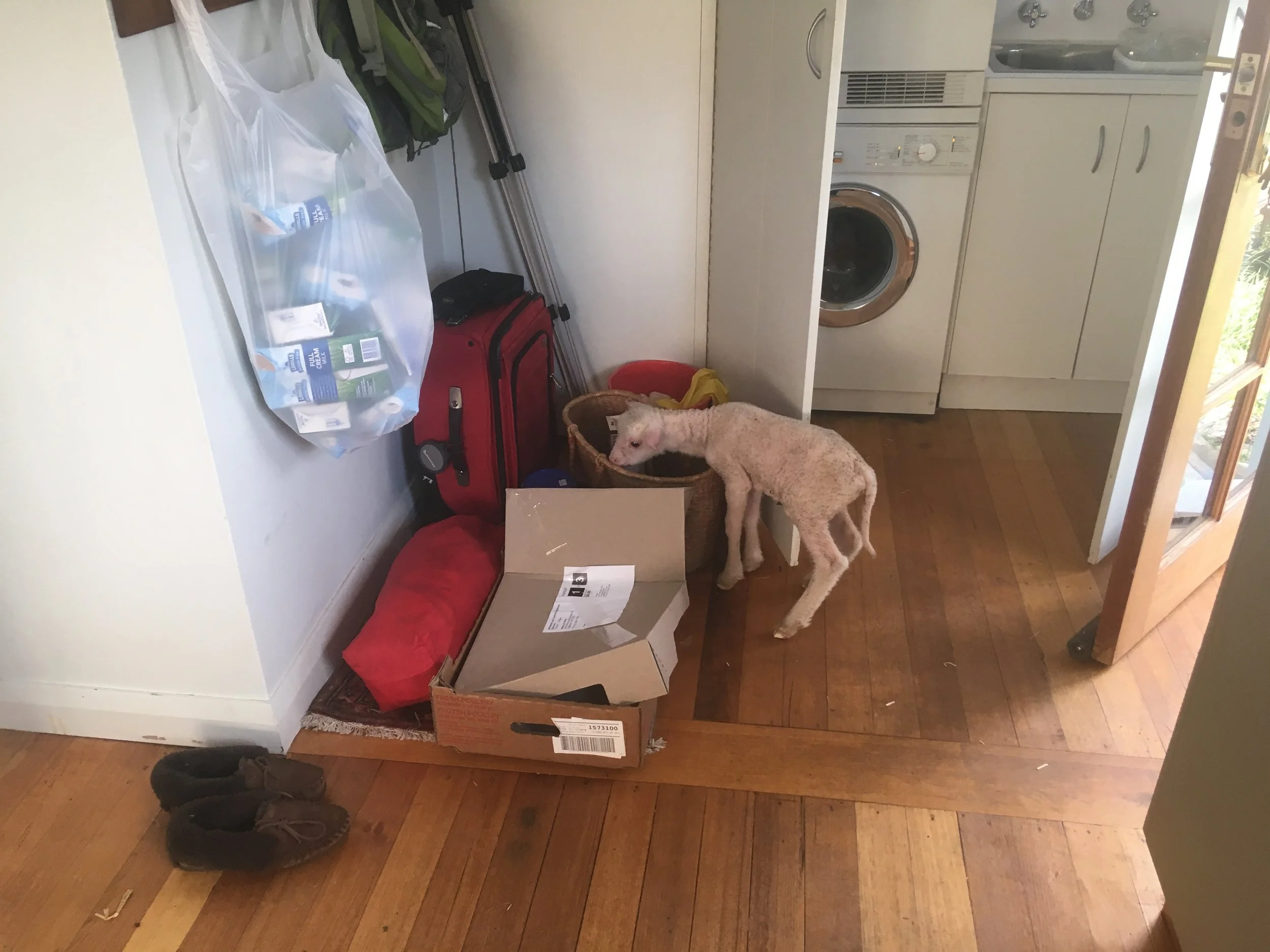
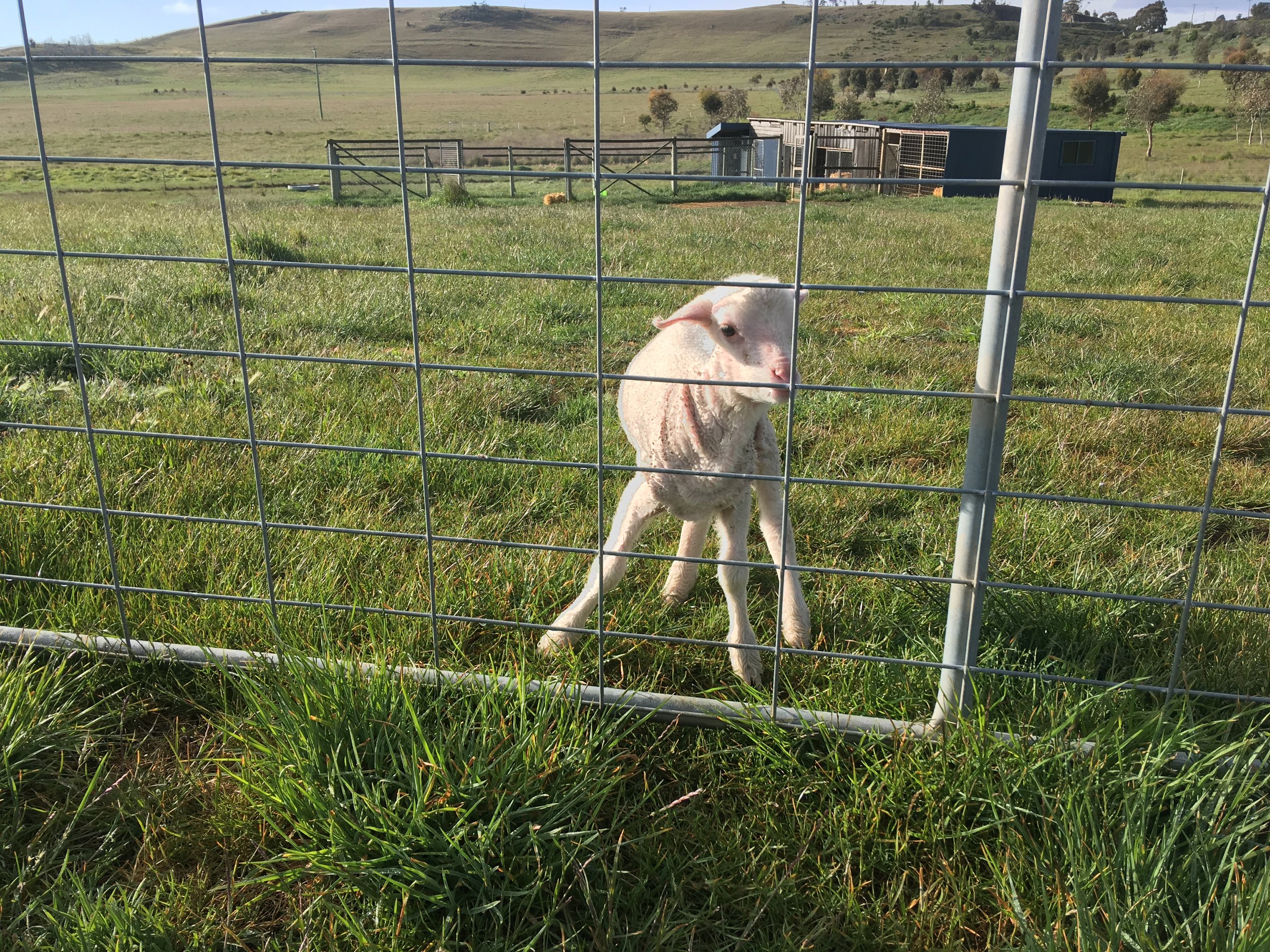
As a counter-balance to my aged carer role, Pipsqueak the ram has just come out of his 25-ewe harem, so in late August we’ll be seeing the first lambs of the new season. Depending on what fate may have in store for me personally over the next decade and a half, I’m expecting to be helping these new lambs navigate to the end of their lives in 15 or 16 years. It’s both comforting and daunting, a combination that made me think of Elton John’s song.
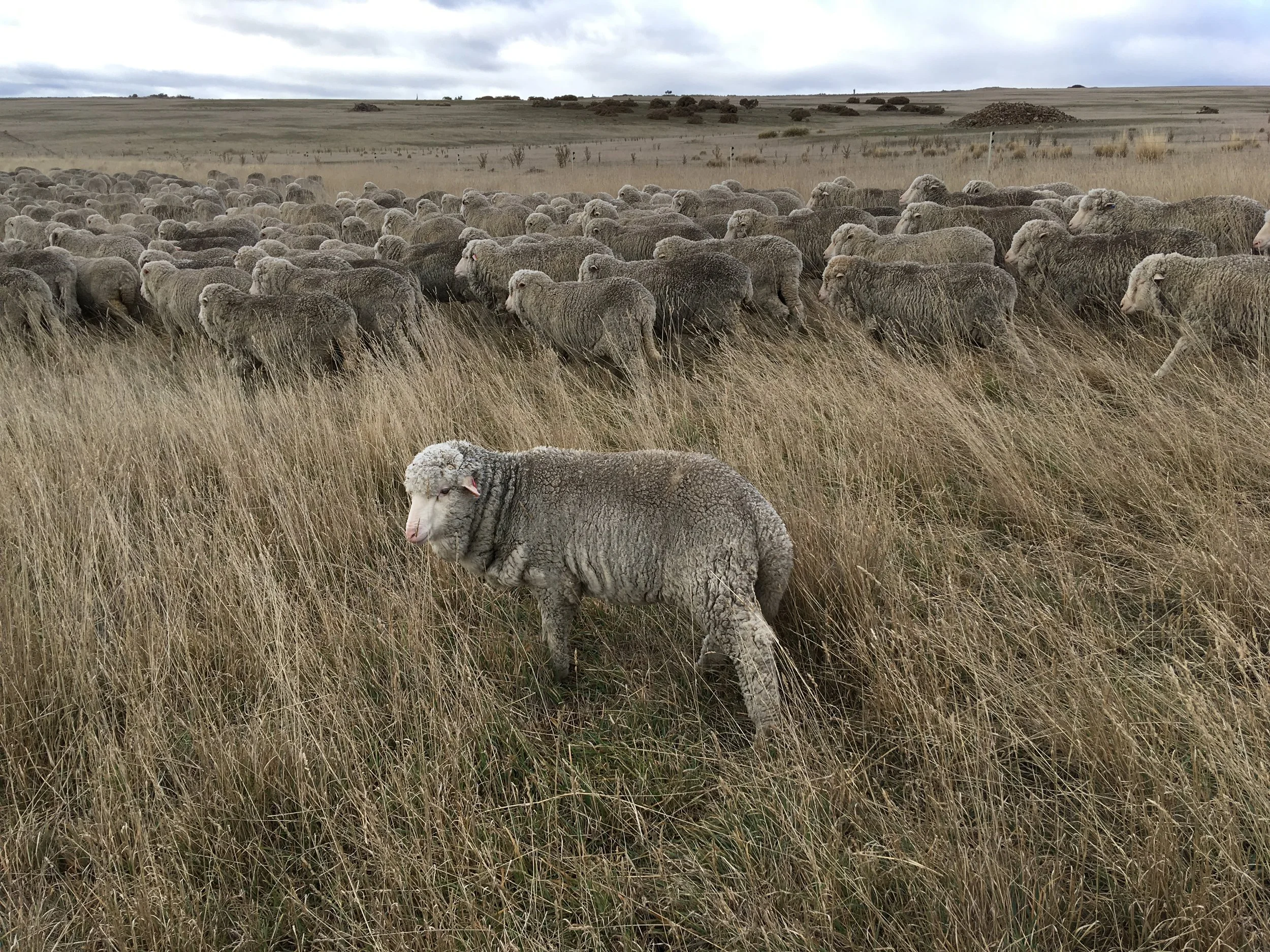
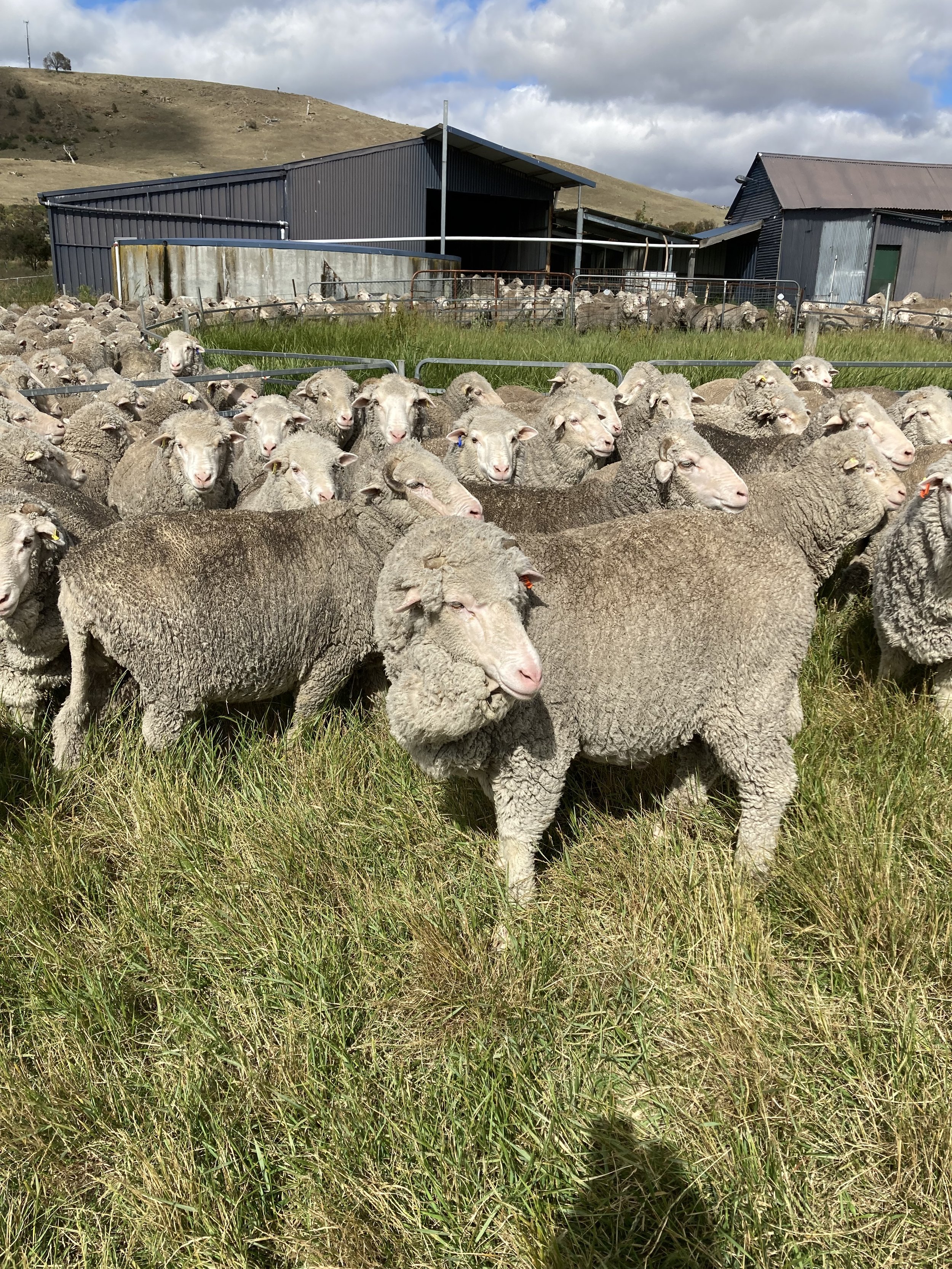
In many ways, I’m trying to emulate a natural ecosystem with my approach to managing sheep, which may be another reason I identify with The Lion King. I know that the babies need to stay with their mamas in order to learn how to thrive in their natural environment. I know that the flock is healthier and stronger as a result of not only good nutrition, but also the support — the harmony and belonging — that comes with keeping all the generations together in a single group.
I try to minimise interventions that are common in conventional woolgrowing. When my sheep have excellent nutrition, I’ve learned I don’t have to treat them for intestinal parasites (I would if I needed to, in a heartbeat, but haven’t needed to for 15 years). With good parasite control, I don’t need to dock tails. Managing flystrike is my main challenge other than geriatrics, and I use an integrated pest control approach that involves limited chemical use.
Lacking any serious predators (how lucky are we in Tasmania — no wolves, bears, coyotes, cougars or even foxes) my job as virtual top predator is to maintain a stable, sustainable flock size by limiting the number of lambs each year to balance the sheep that die.
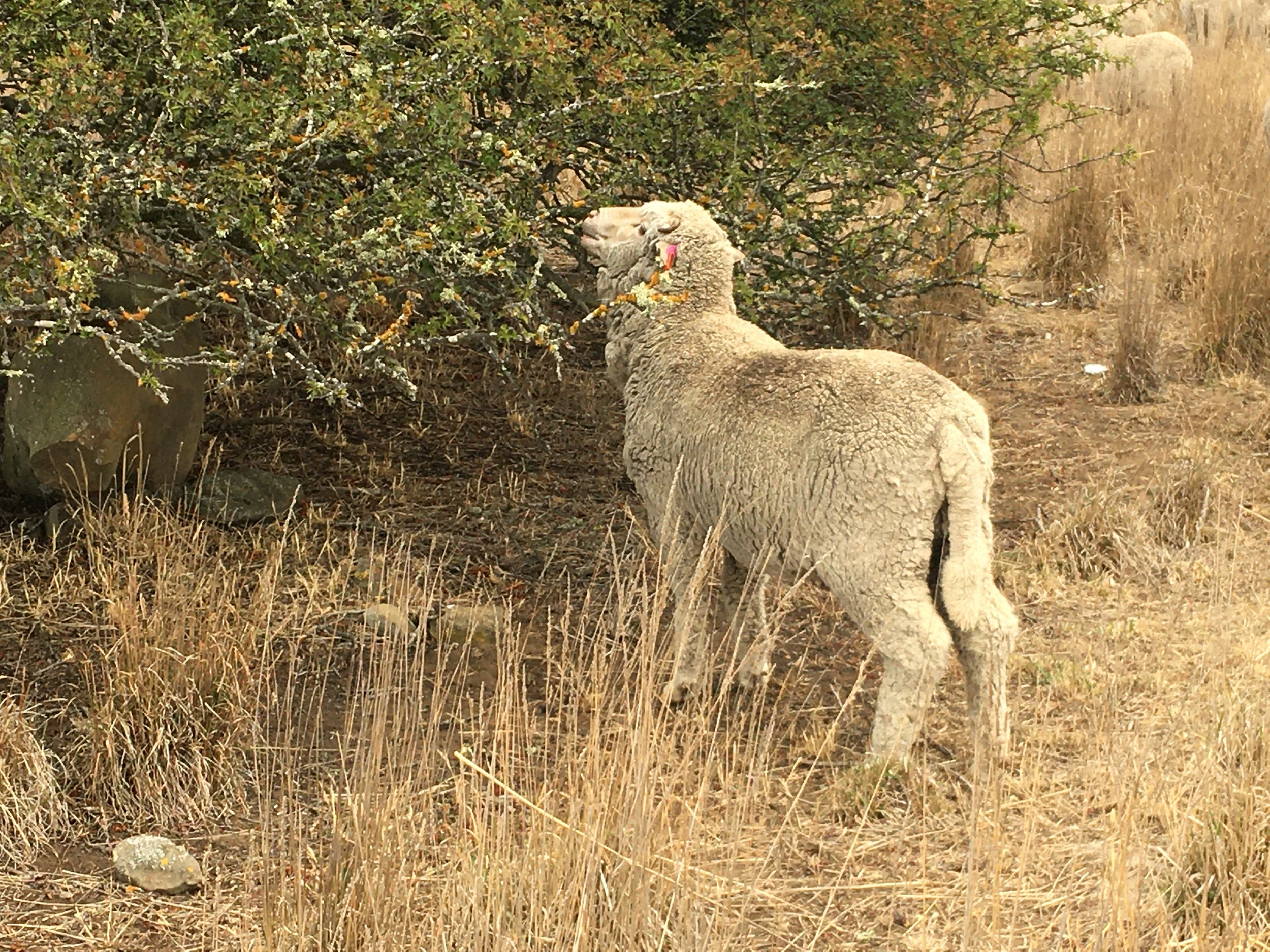
I don’t sell any animals, because I decided I wanted to let them live out their natural lifetimes on the farm. And, because I need the landscape to be healthy and forage to be abundant and diverse for good nutrition, I don’t do any supplementary feeding. (Aside from the cost and labour of feeding out, the sheep go on eating whatever plants there are after eating the grain you give them, eventually resulting in a denuded landscape.)
These conscious choices constrain me to maintain a conservative stocking rate — about a quarter of the number carried per acre when I started woolgrowing. Of course, I can’t predict with any more accuracy than the Bureau of Met can rainfall how many sheep will die in a given year, so I tend to be conservative with the number of ewes I put out with the ram.
My oldest sheep will turn 16 in the spring, and my youngest are not quite a year old. In between, I have one year class of about 200 who will turn 13 this year. I call them my ‘baby boomers’ as their demographics are not dissimilar to my own, and to have a great whack of them come through aged care all at once is putting a strain on the system (hence my earlier comment about sympathy for health ministers.)
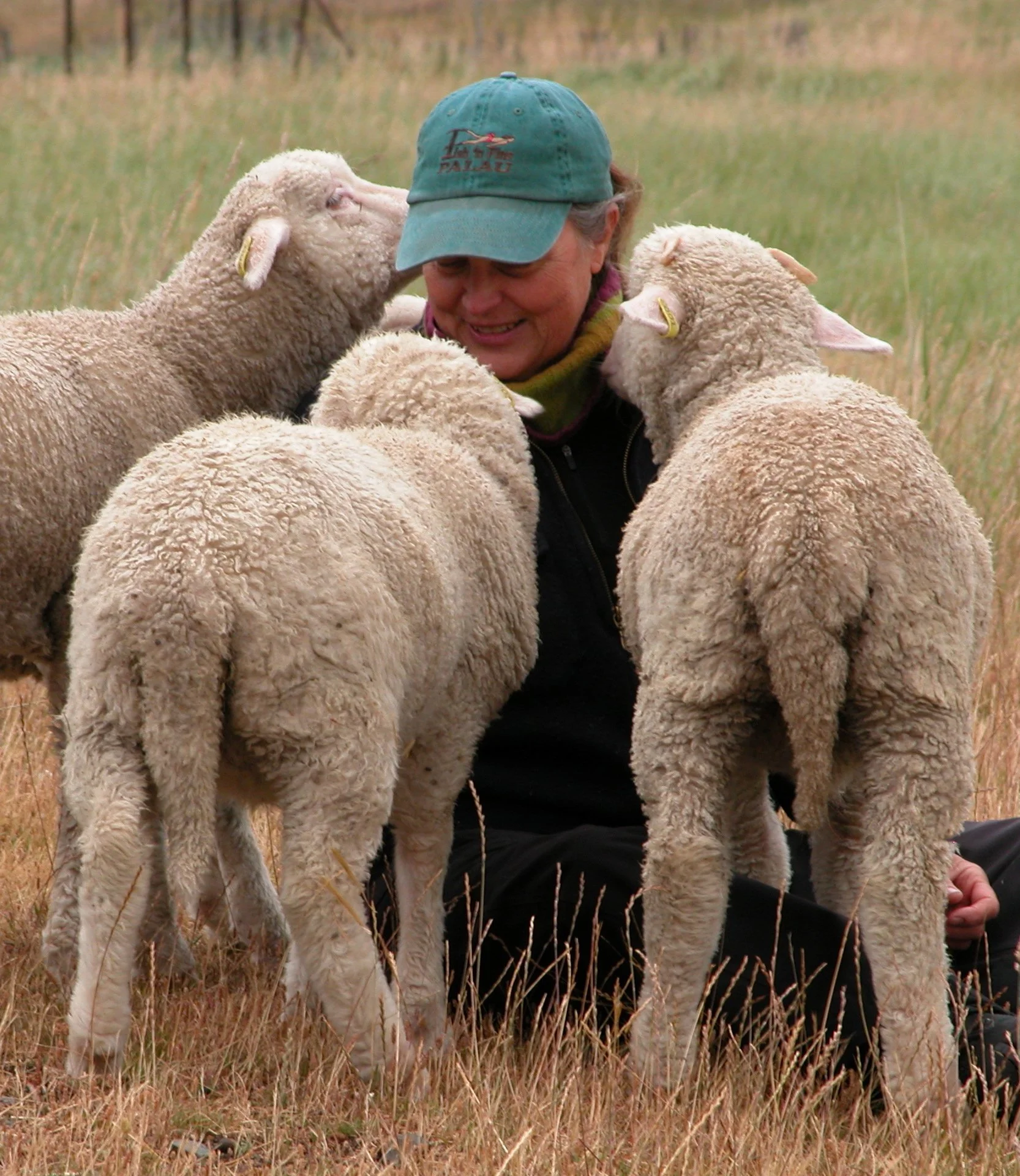
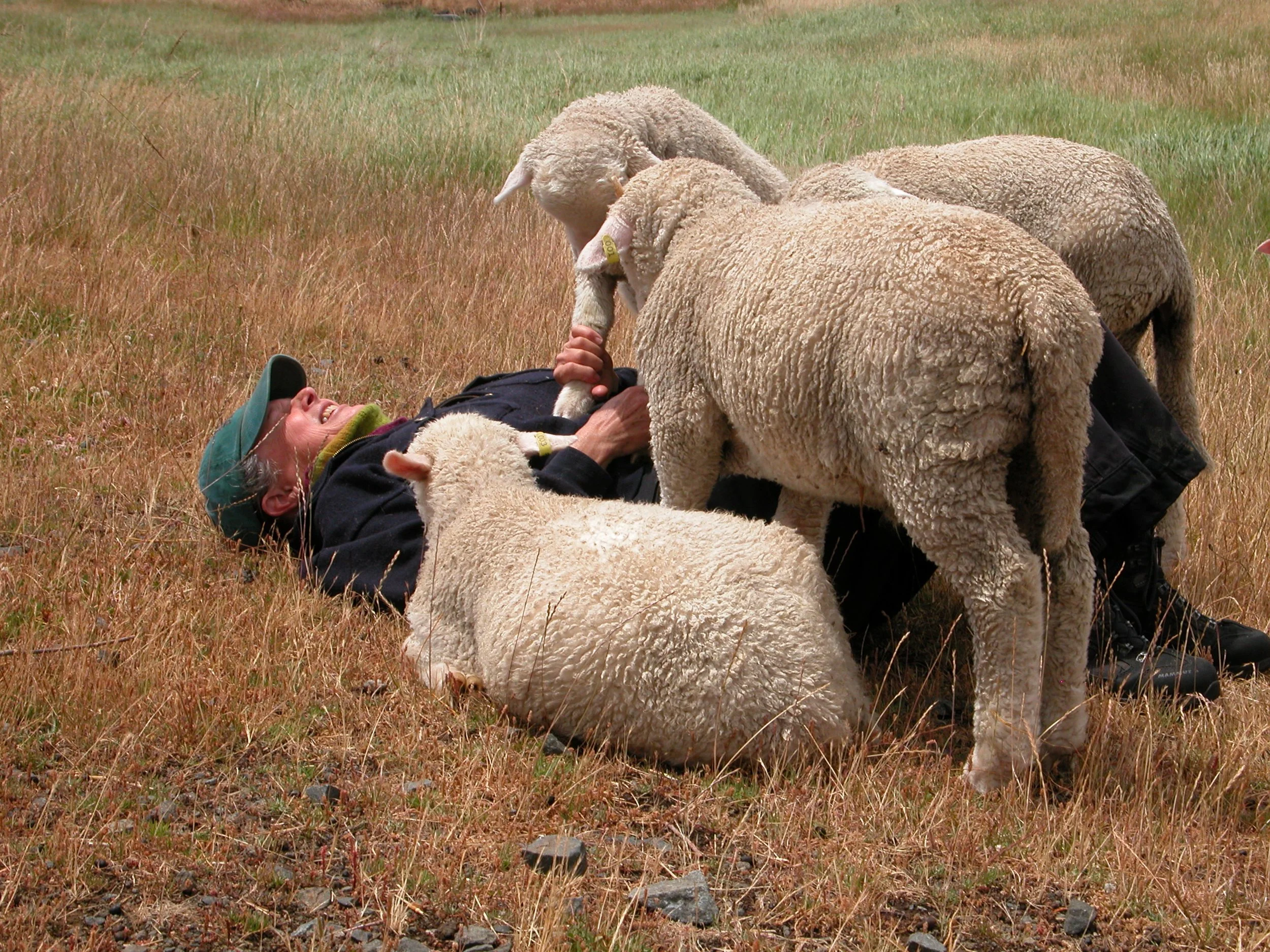
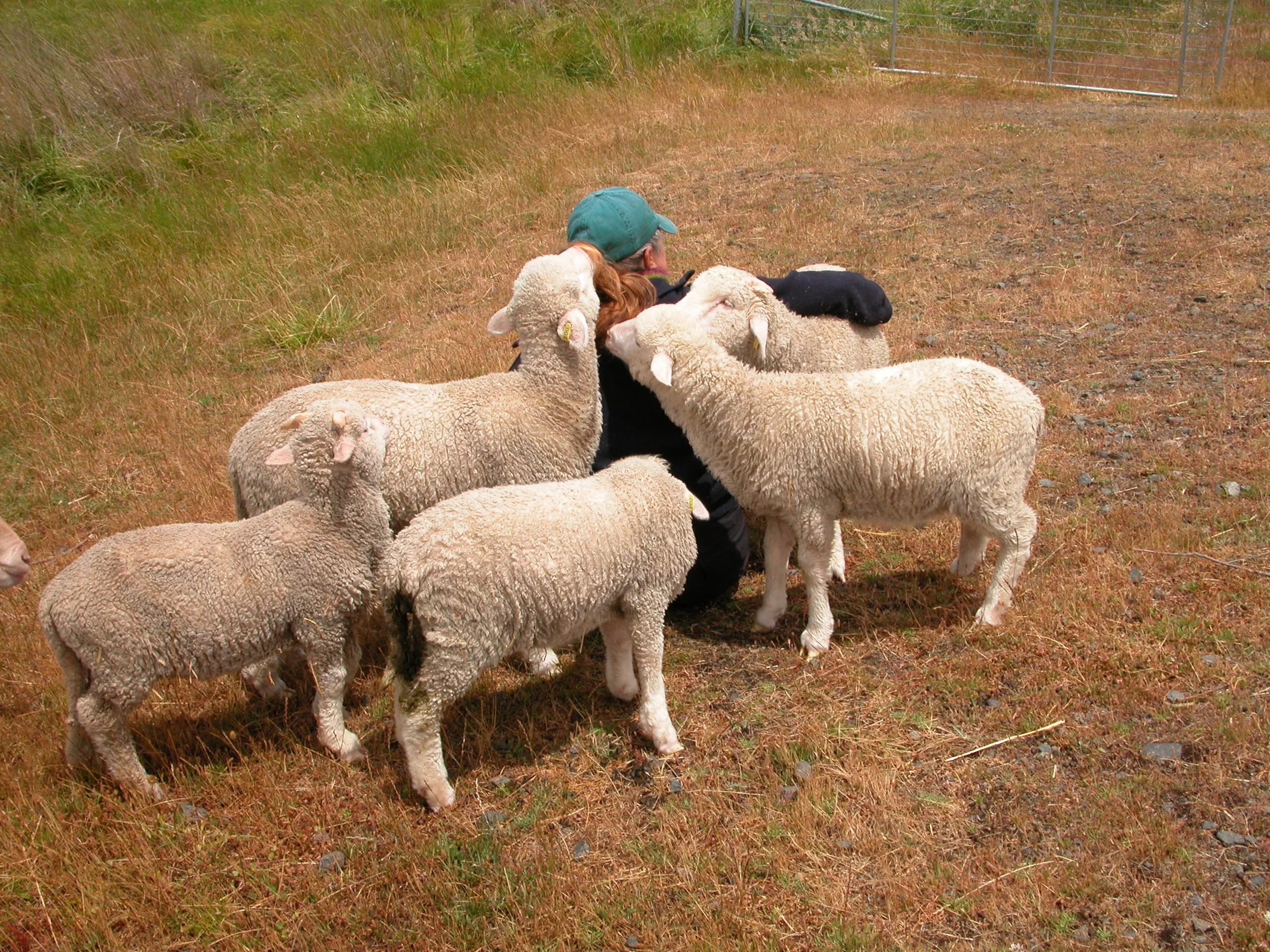
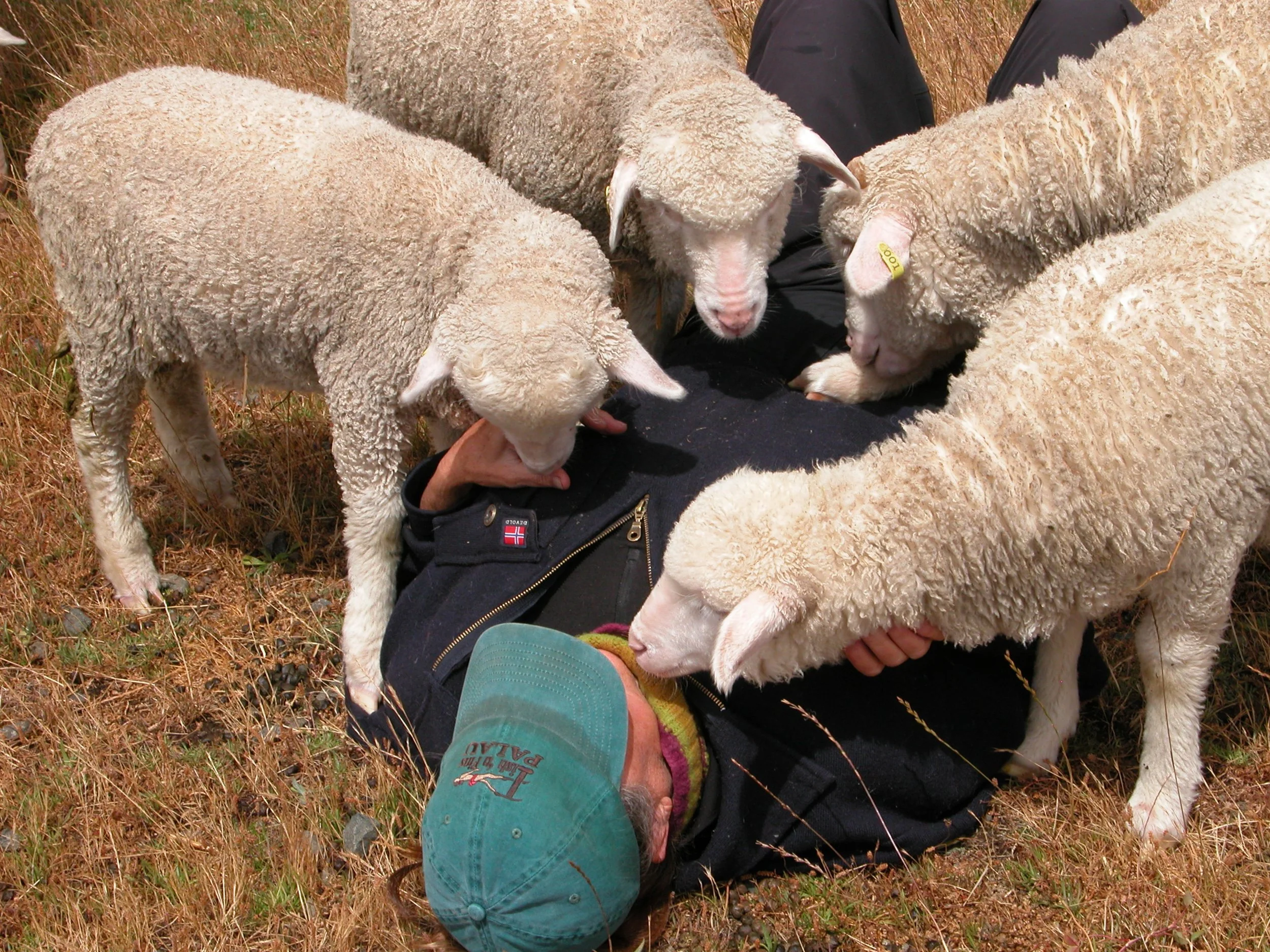
The baby boomers are from the last big lambing I did, just before deciding not to send my sheep to slaughter, so I kept all of them. The 14, 15 and 16 year-olds were culled and sold, leaving only a handful still with me now — less than 50 all up for the three years. Sheep younger than 13 are in year groups of 30 to 50, depending on how many lambs were born or bought in each year.
As an industry, we have no reliable statistics on sheep longevity, because most sheep are killed for meat by the time they are 7 or 8. I’ve been keeping records on my ageing flock for 13 years, and my best guess is the life expectancy of my sheep is about 14 years. The main cause of premature death is skin cancer. Where it’s possible, my wonderful vet removes tumours (ears and some noses), but many aren’t operable. One of my landscape challenges is to find ways to provide shade to sheep in the middle of the day, to minimise UV exposure. As sheep prefer to rest on the tops of hills, this has meant growing trees where the soil moisture tends to be low. The latest of these tree plantings is Chicory Hill, home to the first sheep cemetery.
Death for my older sheep comes in as many guises as it does for humans, and I’ve found that human models of aged care help me enter into the experience of the sheep, so that I do a better job of making health decisions for them. I have two tiers of aged care: Independent Living, currently a group of 60 older sheep including all of my 14 to 16 year-olds, who just need a bit of extra attention, and Assisted Living, currently a group of 11 sheep who need to be checked every day and, at the moment, fed cracked lupins every other day. This is the only supplementary feeding I do, and it’s aimed at improving condition on sheep that have various health challenges, like baby boomer pet Vicki, whose back molars don’t line up properly, making it hard for her to chew and then digest her cud!
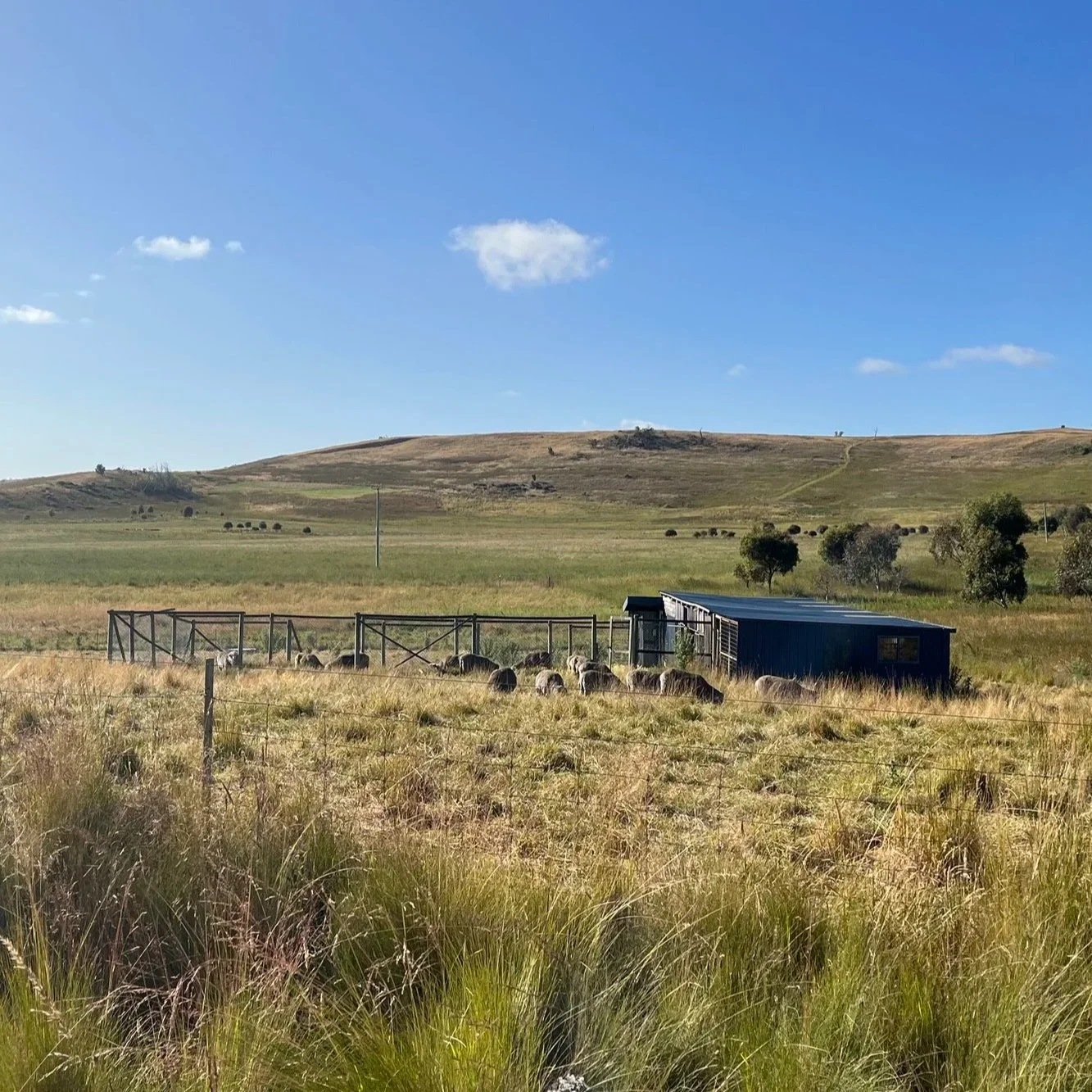
The assisted living paddock in 2023. They have the shelter building where I feed them, plus a big area of shade trees off to the right.
I’ve always struggled with killing anything, even spiders, but in making the decision not to send my sheep away for someone else to kill, I signed up to be the one who does the euthanasia, which I do with a captive bolt gun, in vet-approved fashion. While it is often sad, especially if the sheep is an old friend, there is an underlying gratitude that I’m able to give them a quick, clean death.
The harder thing for me is finding the demarcation between pain (which we all feel on occasion) and suffering that is intolerable. Because the animals can’t tell me themselves, I have to stay alert to the behavioural signals they are sending me. I don’t always get it right, and I probably err on the side of keeping them alive longer than I should. I’m learning, though, to figure out when I’m keeping an animal alive for my sake, wanting to prove that I can, instead of letting it go for its sake.
My sheep are buried in pre-dug grave holes, situated on the tops of hills. Eventually, a tree will be planted on each grave, closing the circle between animals and landscape.
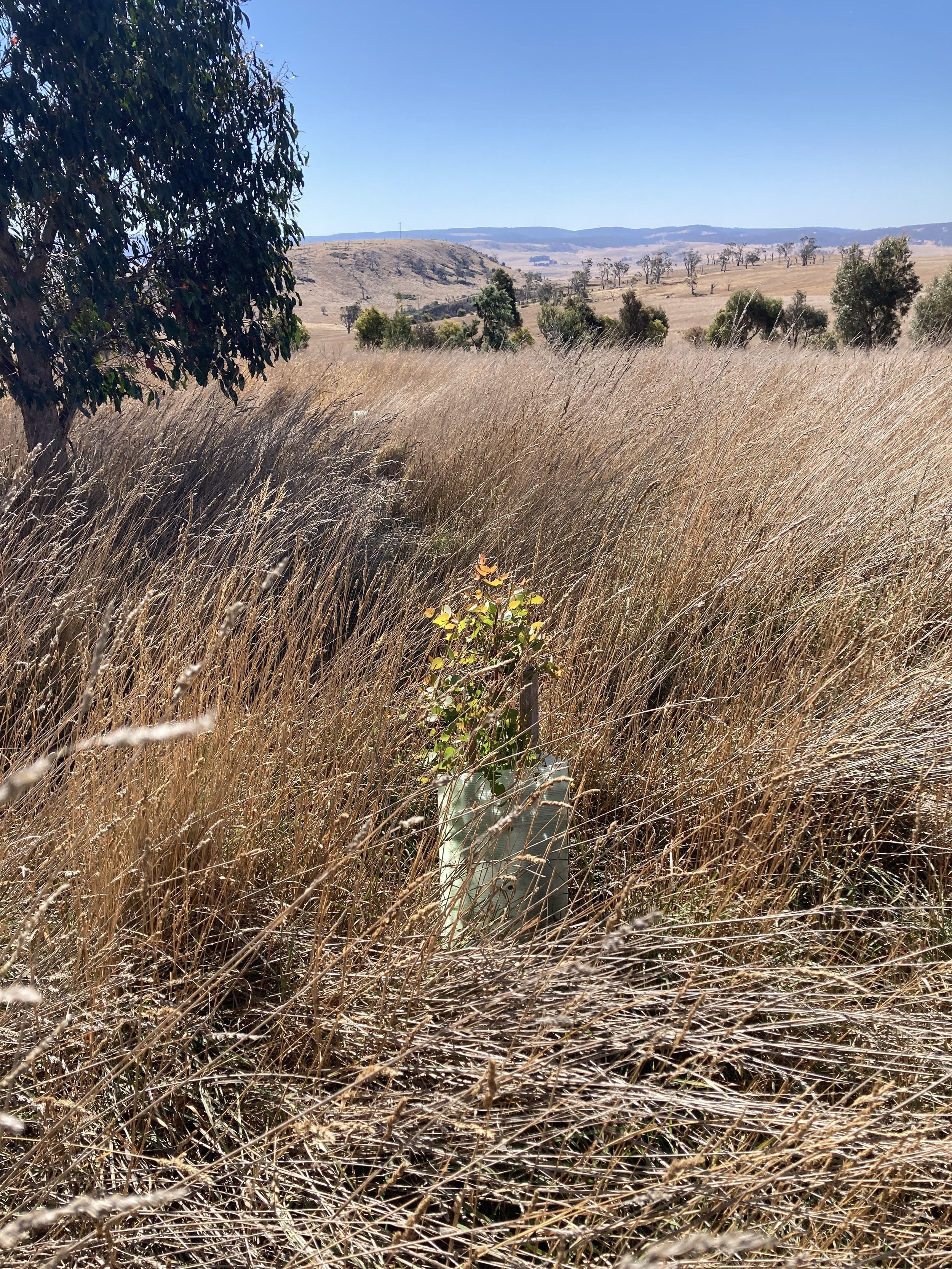
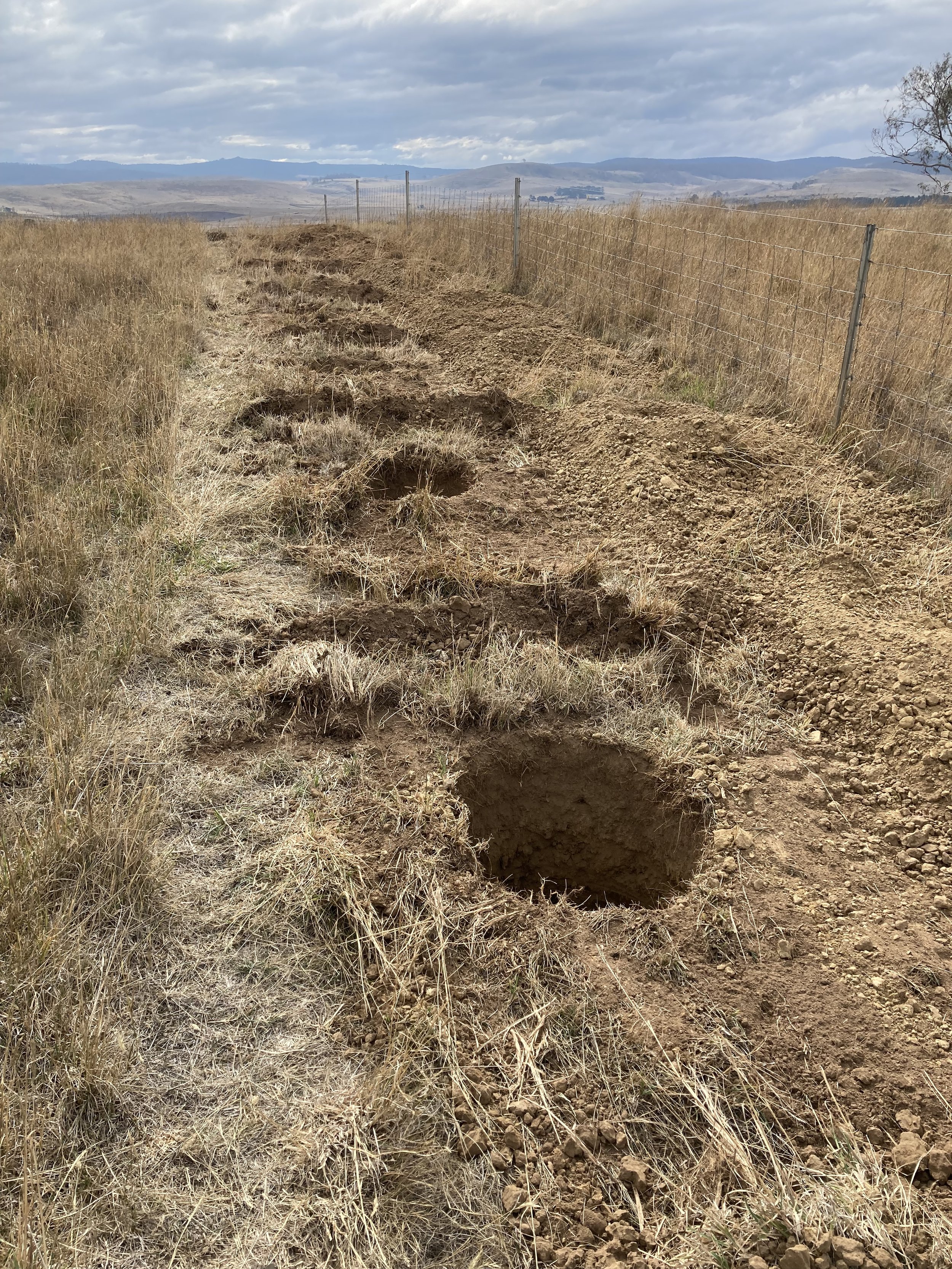
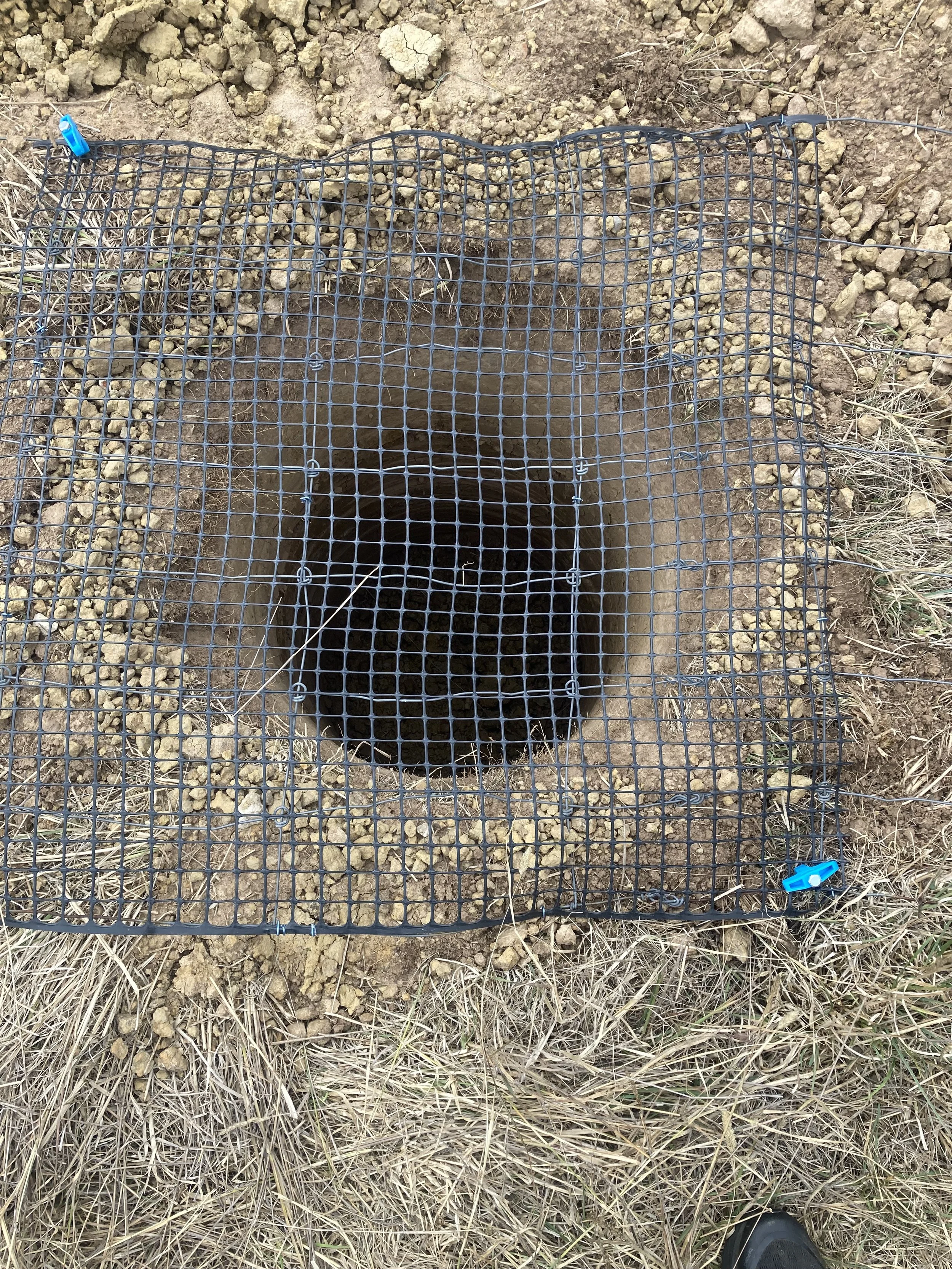
In the spring, the new lambs will delight me with their antics, and I’ll enjoy watching their older siblings play with them and even baby-sit while mama gets a short respite. And I’ll know that they have a wonderful life ahead of them, growing into not-quite-wild animals in the circle of life on my farm.