
Floating Wetlands
We’re struggling through the worst extended dry period on the farm since 2009. The incredibly challenging conditions from 2006 to 2009 were the catalyst that drove radical change in the way I manage the farm, leading me to focus on maximising the health of individual animals rather than on how many animals I could produce. A lovely side benefit of those changes was vast improvement in the condition of the farm environment, as I began to understand the intimate connection between landscape and animal health.
In order to ensure the healthiest possible animals (including wildlife), there has to be lots of plant diversity. In order to have plant diversity, there has to be abundance, as the animals (none of them silly) will eat the diversity first, leaving just grass, and often not much of that. Over the years following this insight, I gradually reduced the flock size from nearly 2000 before the ‘long dry’ to 500 or so sheep since 2016. On my farm this means about one sheep to two acres. Most of my neighbours run closer to two sheep per acre.
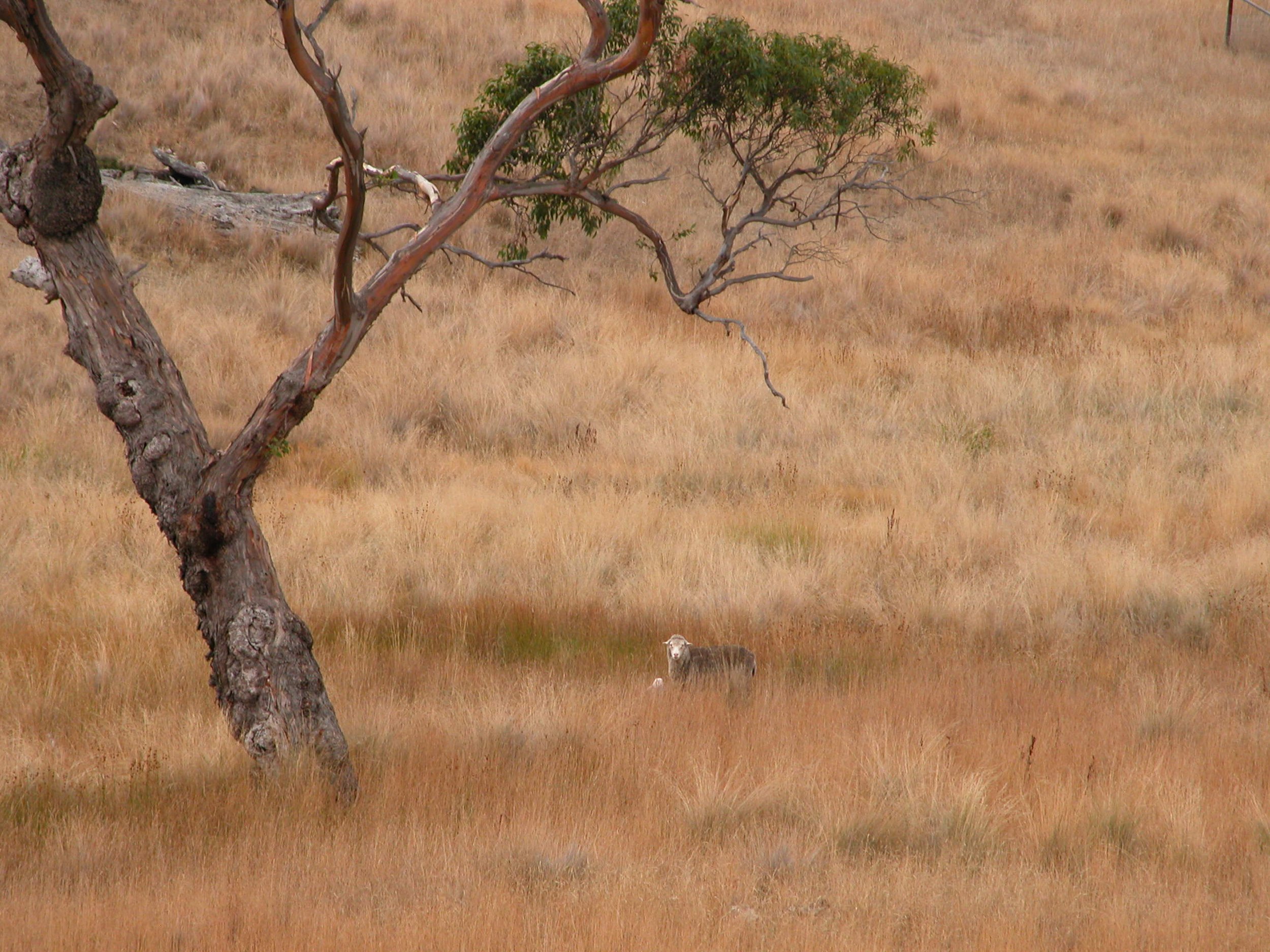
As a result of this management change, despite the similarly dry years 2024, 2025 and the first part of this year, I have enough good forage for my flock of just under 500 sheep, with no need to supplement with grain or hay.
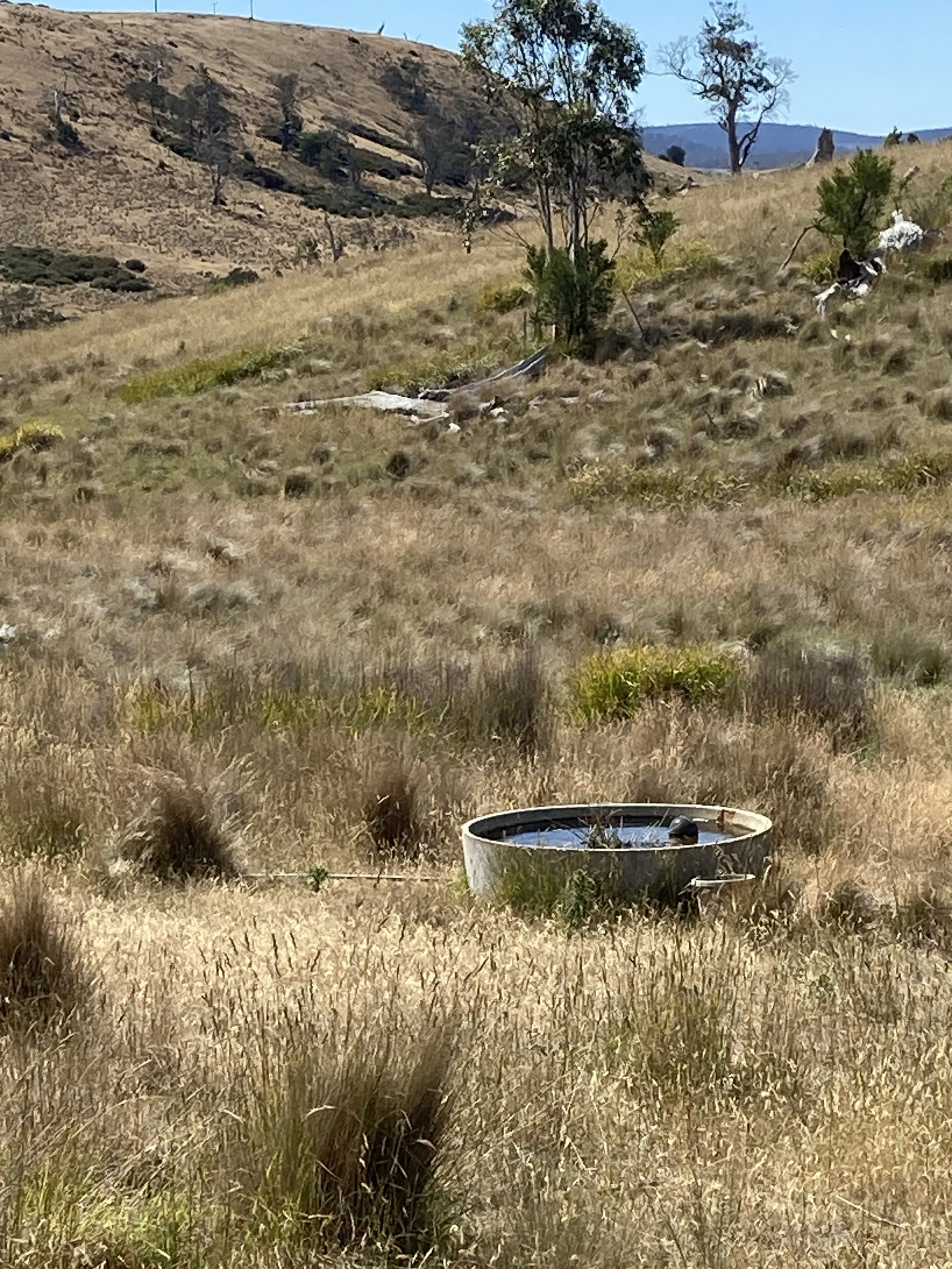
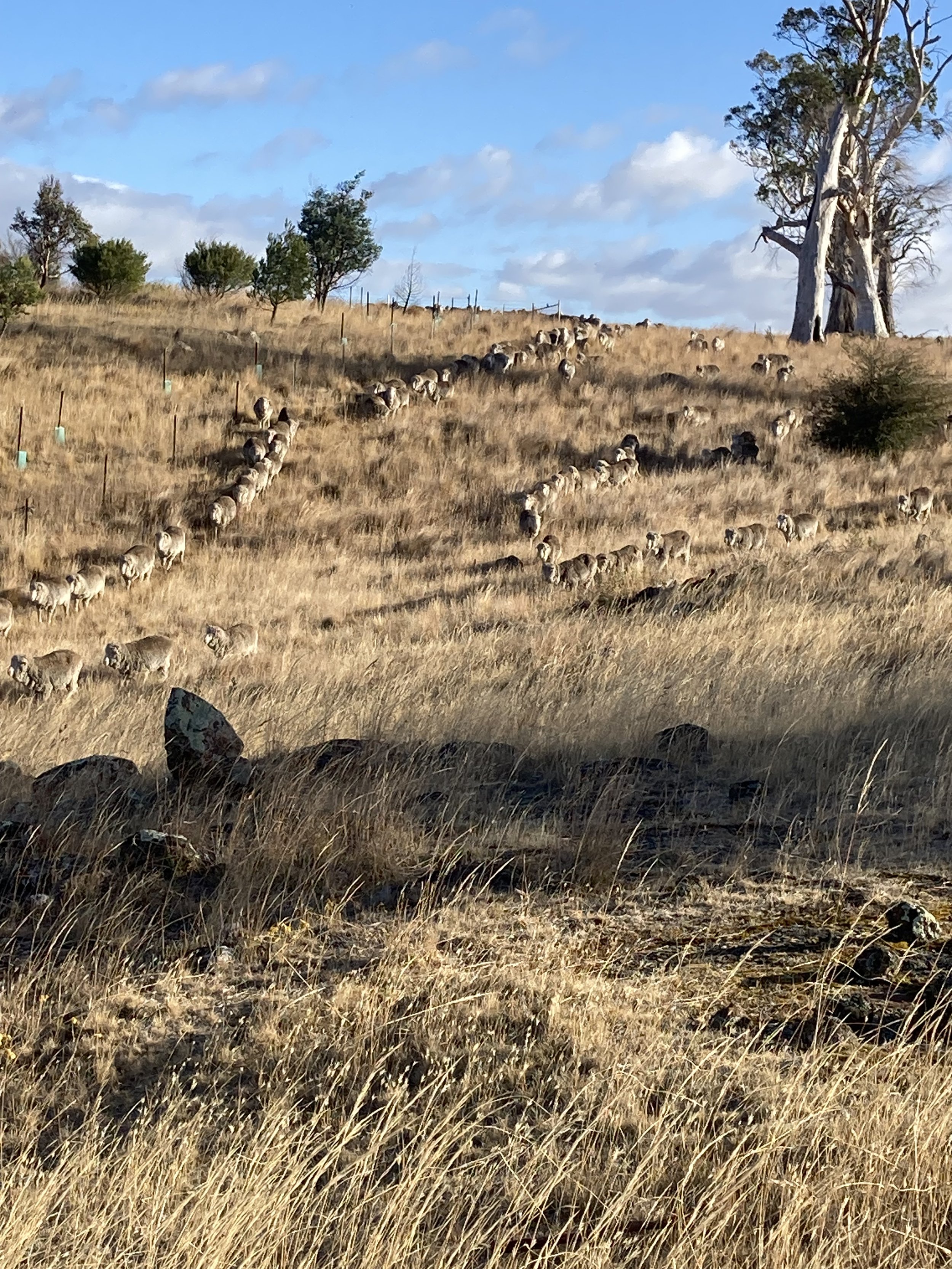
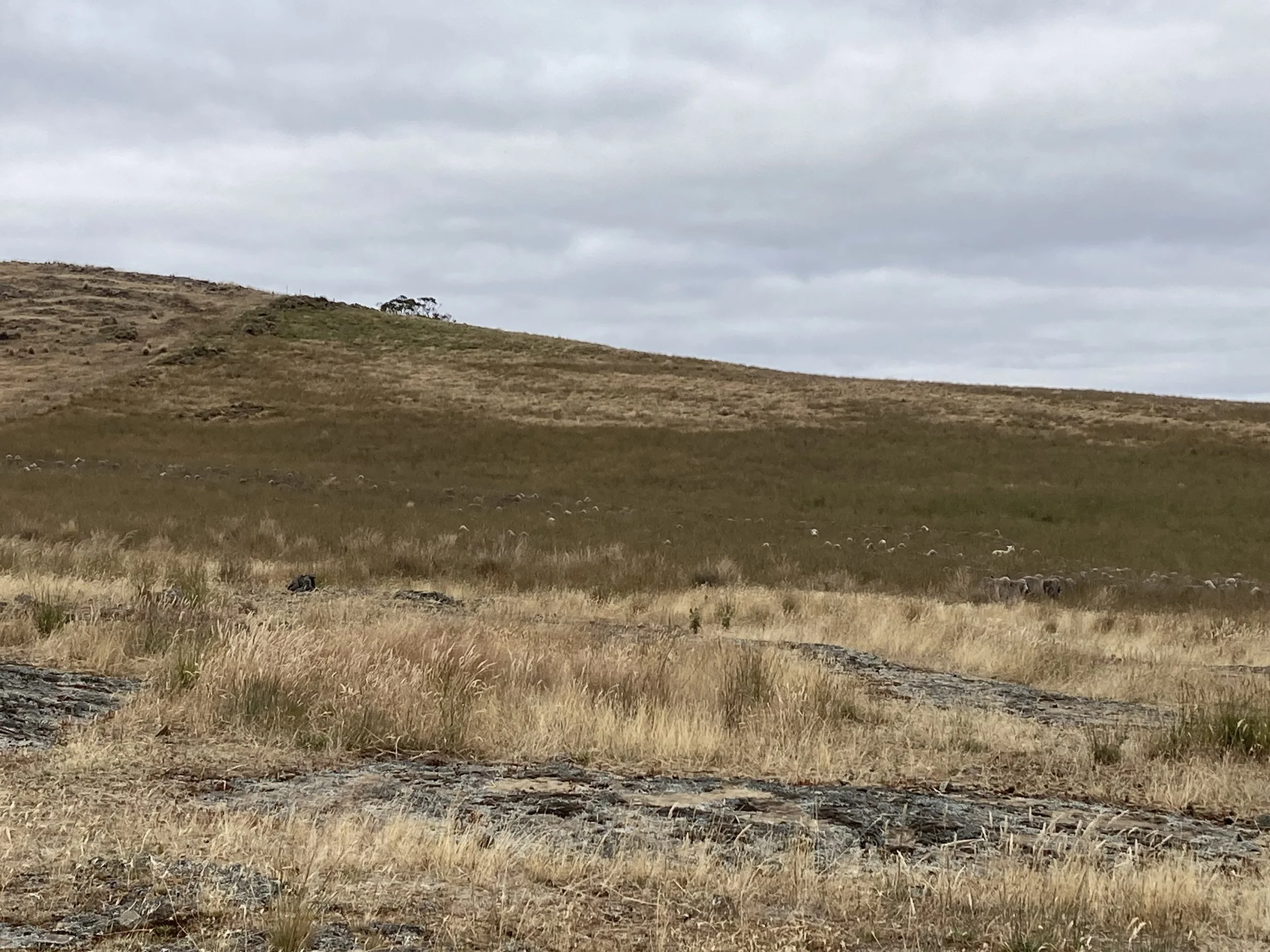
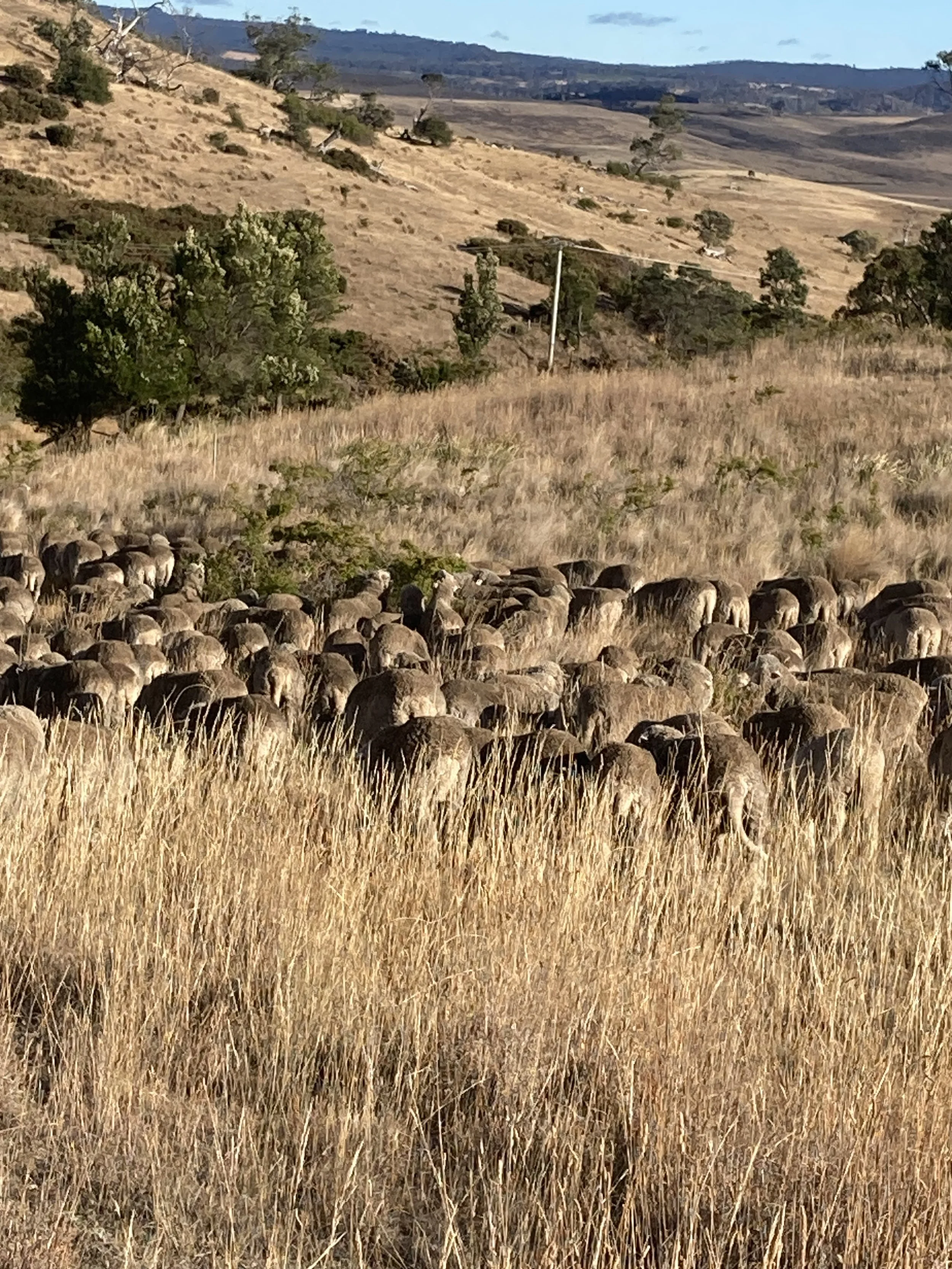
The first gallery of photos below is from the middle of the long dry when the 12-month average rainfall in December 2007 was 300 mm.
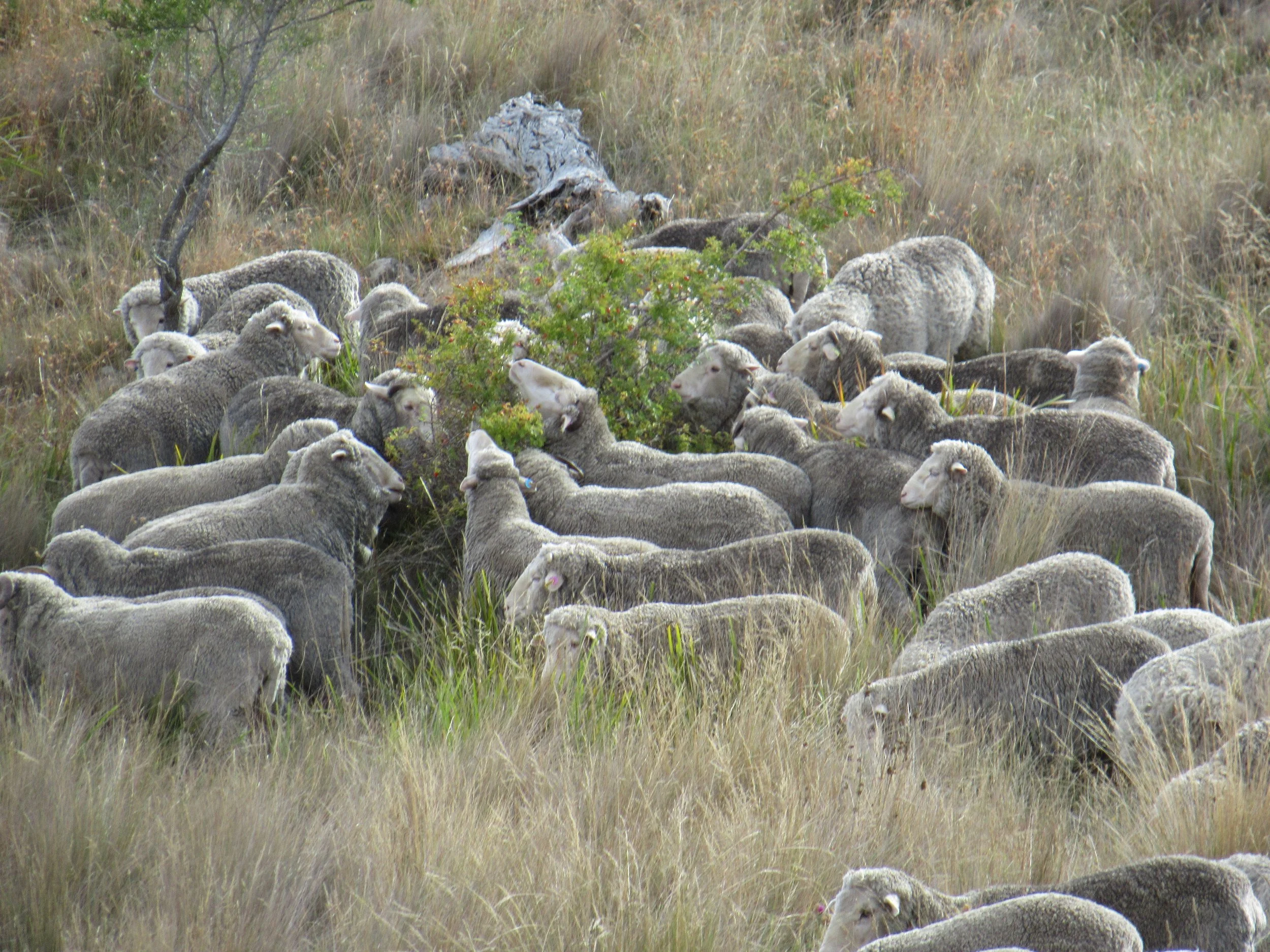
The second gallery is from a good rainfall year, 2017, (630 mm 12 month December average) when the system was replenished and we were able to build up supply in what I call my ‘grass bank’: standing grass that continues to grow and can be grazed in subsequent years.
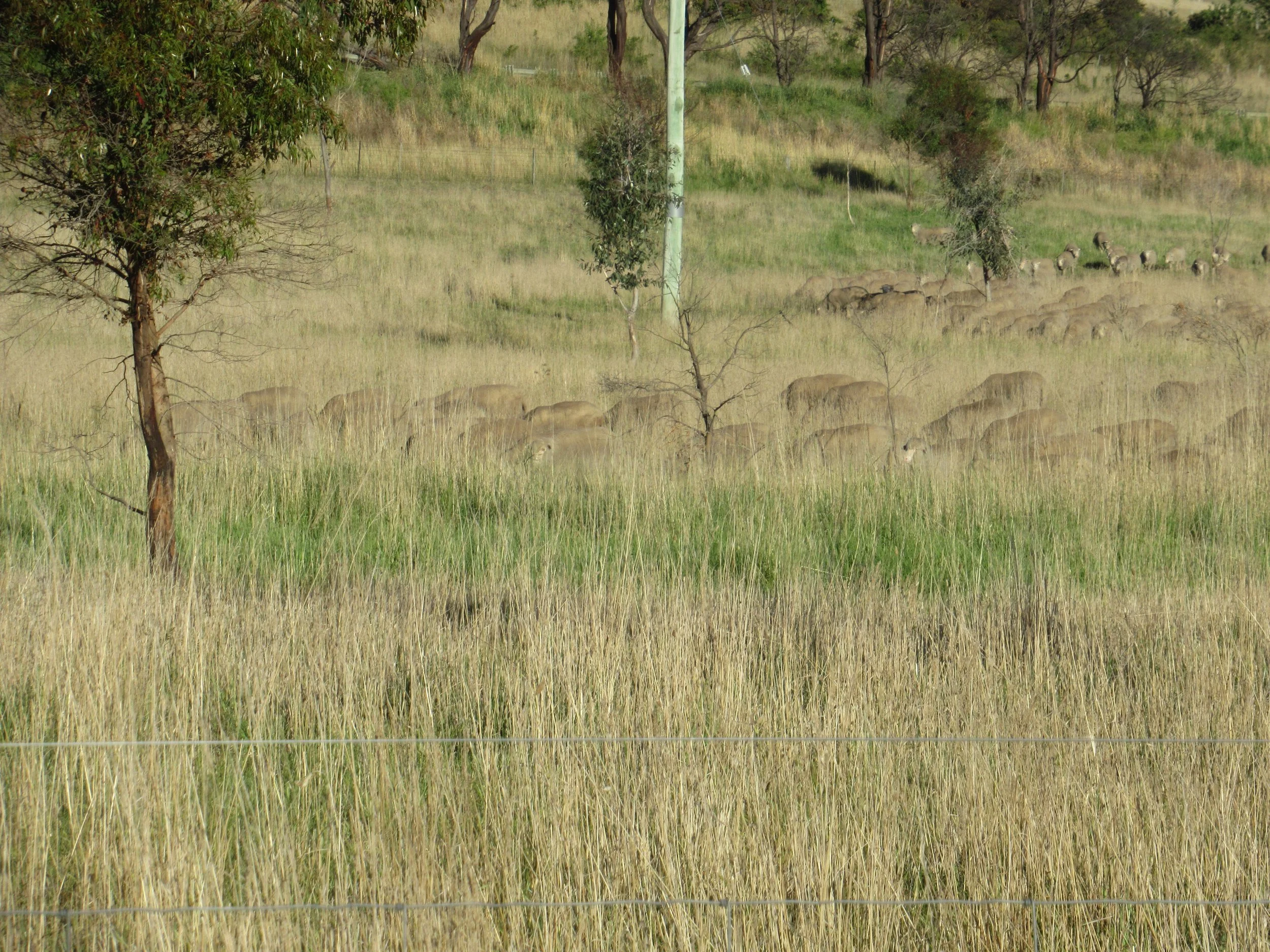
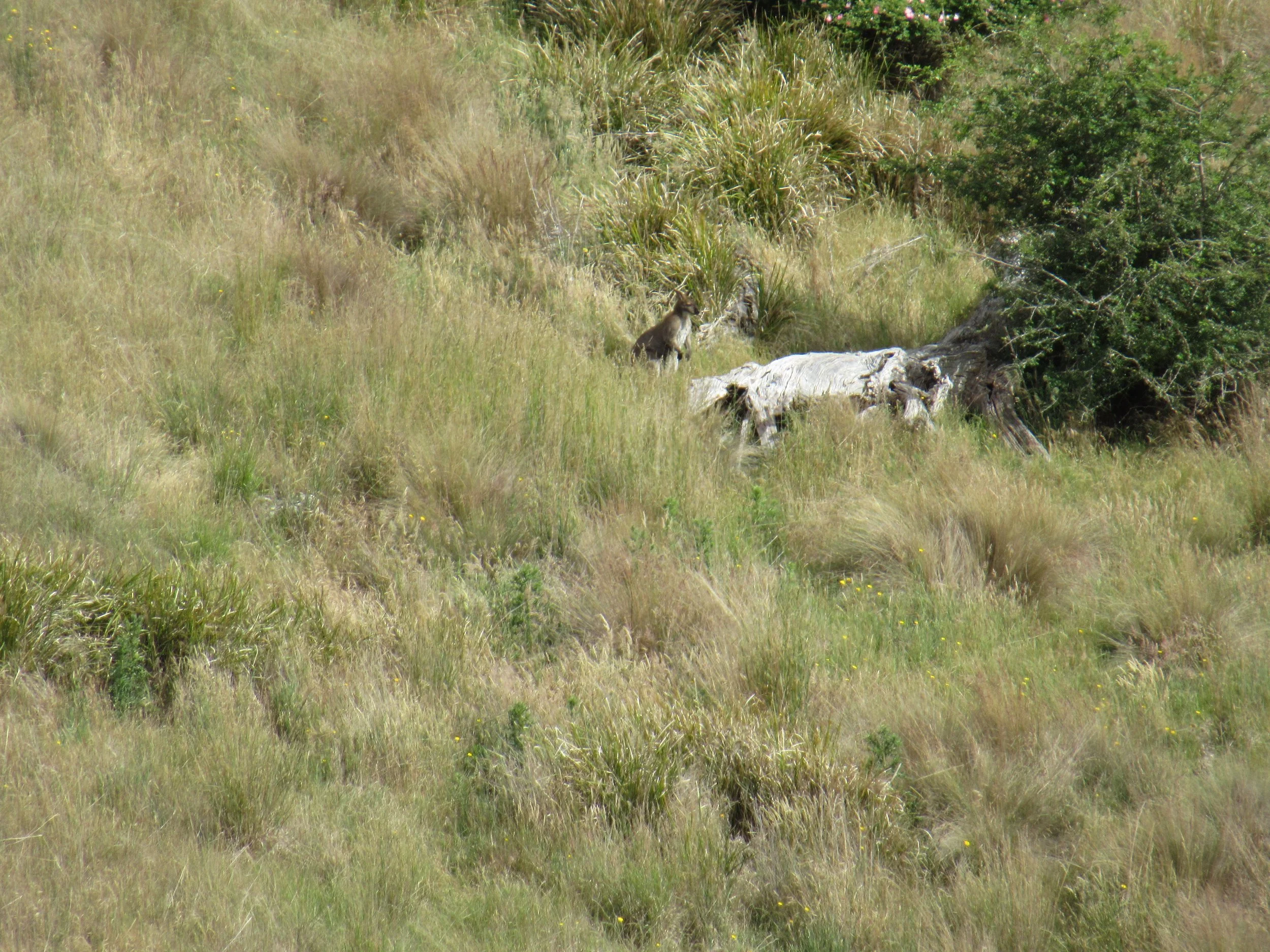
The third gallery is from this season, with our December 12 month average rainfall 335 mm. I’m really proud of how good the farm looks despite the rain deficit, a testament to maintaining low stocking rates year in and year out, filling up the grass bank in good years, and drawing it down in years like these.
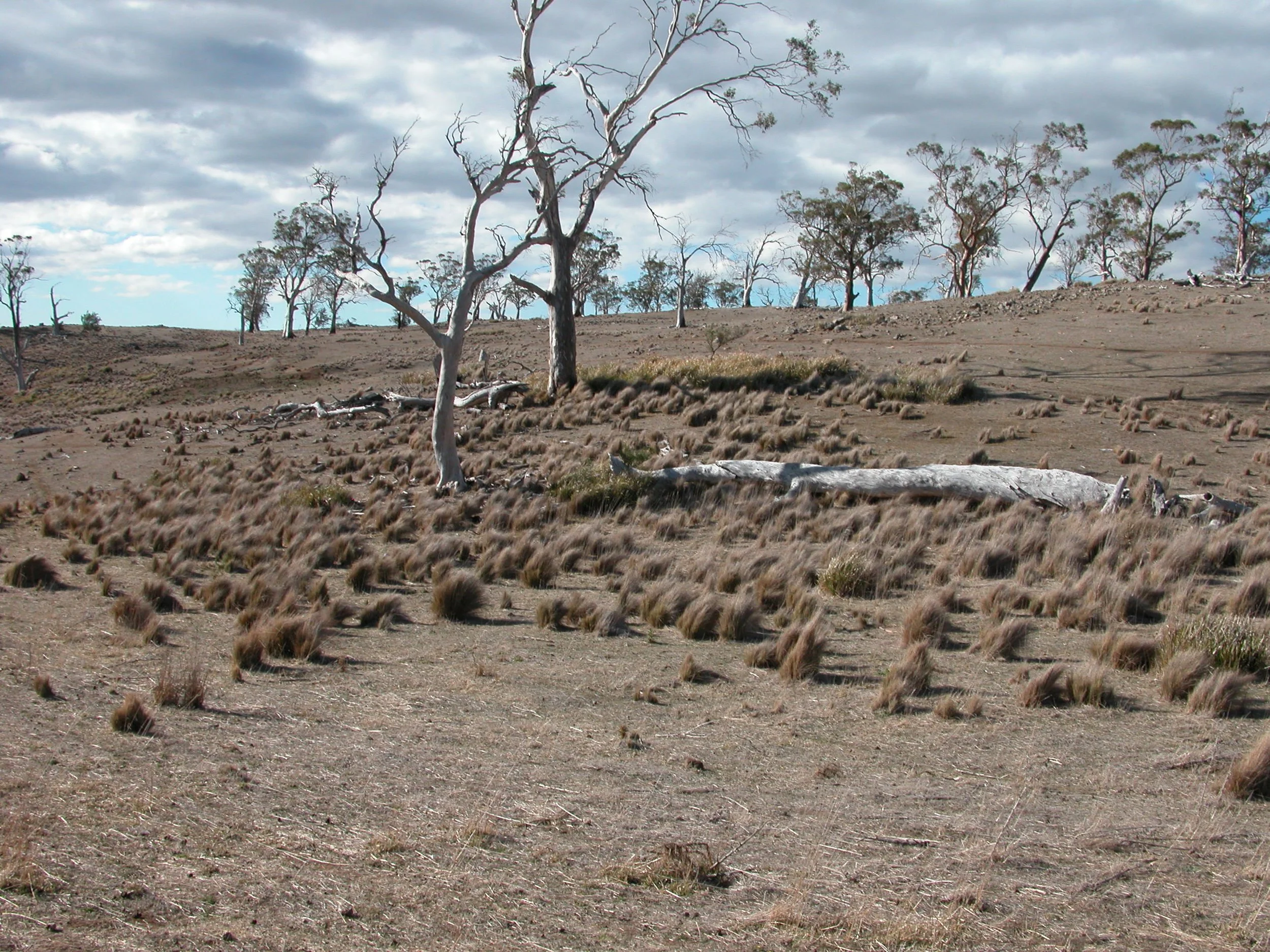
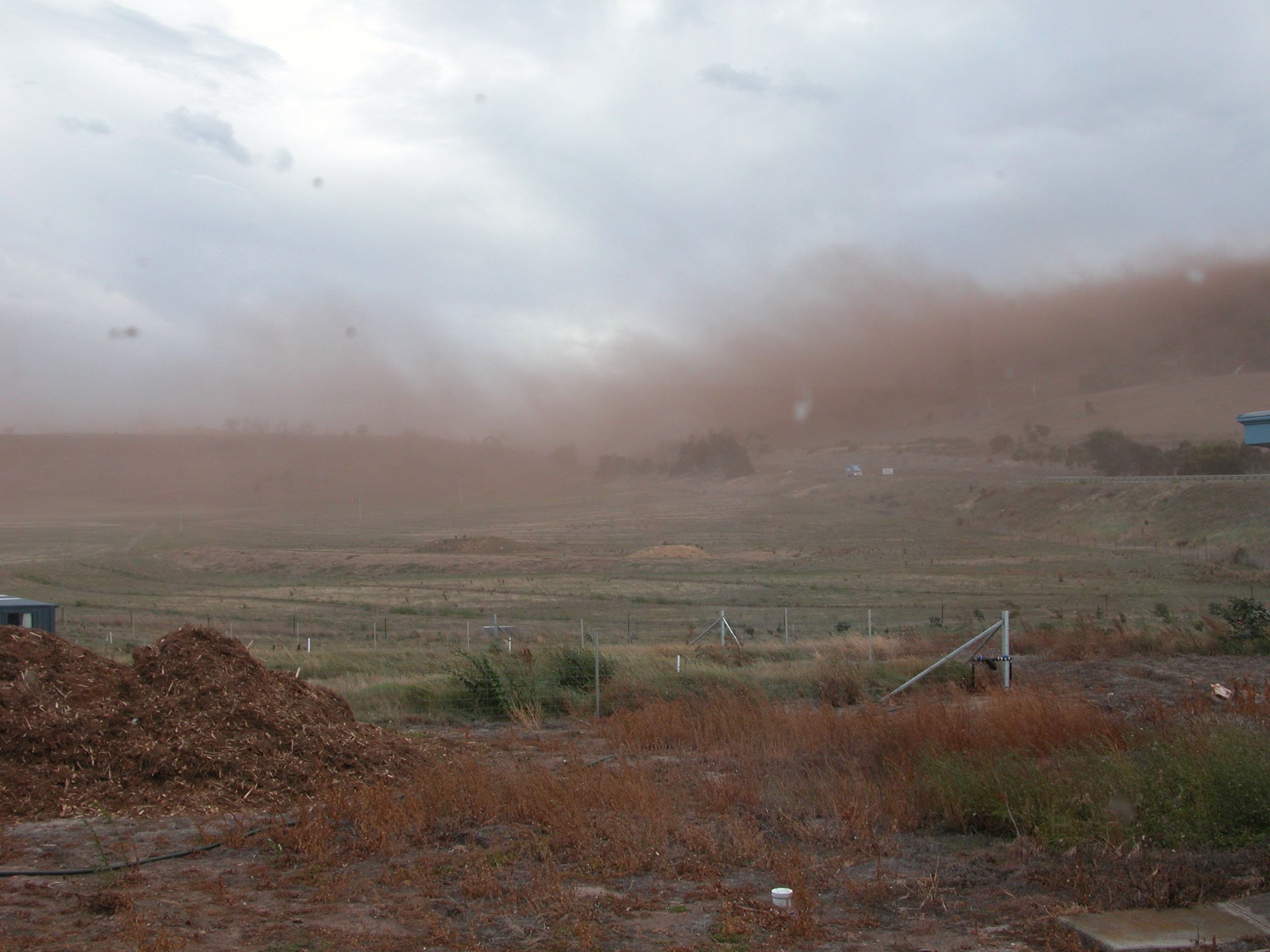
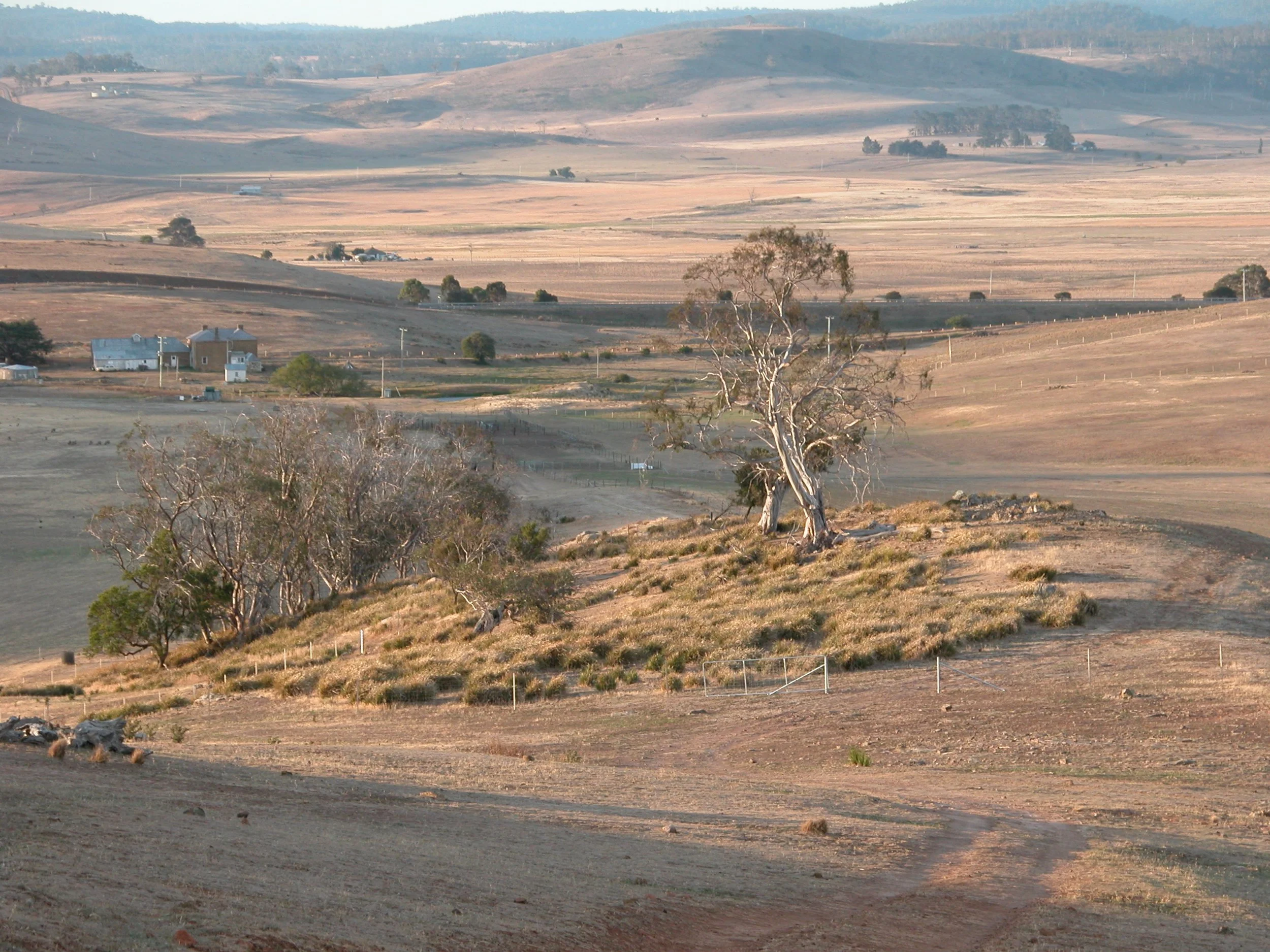
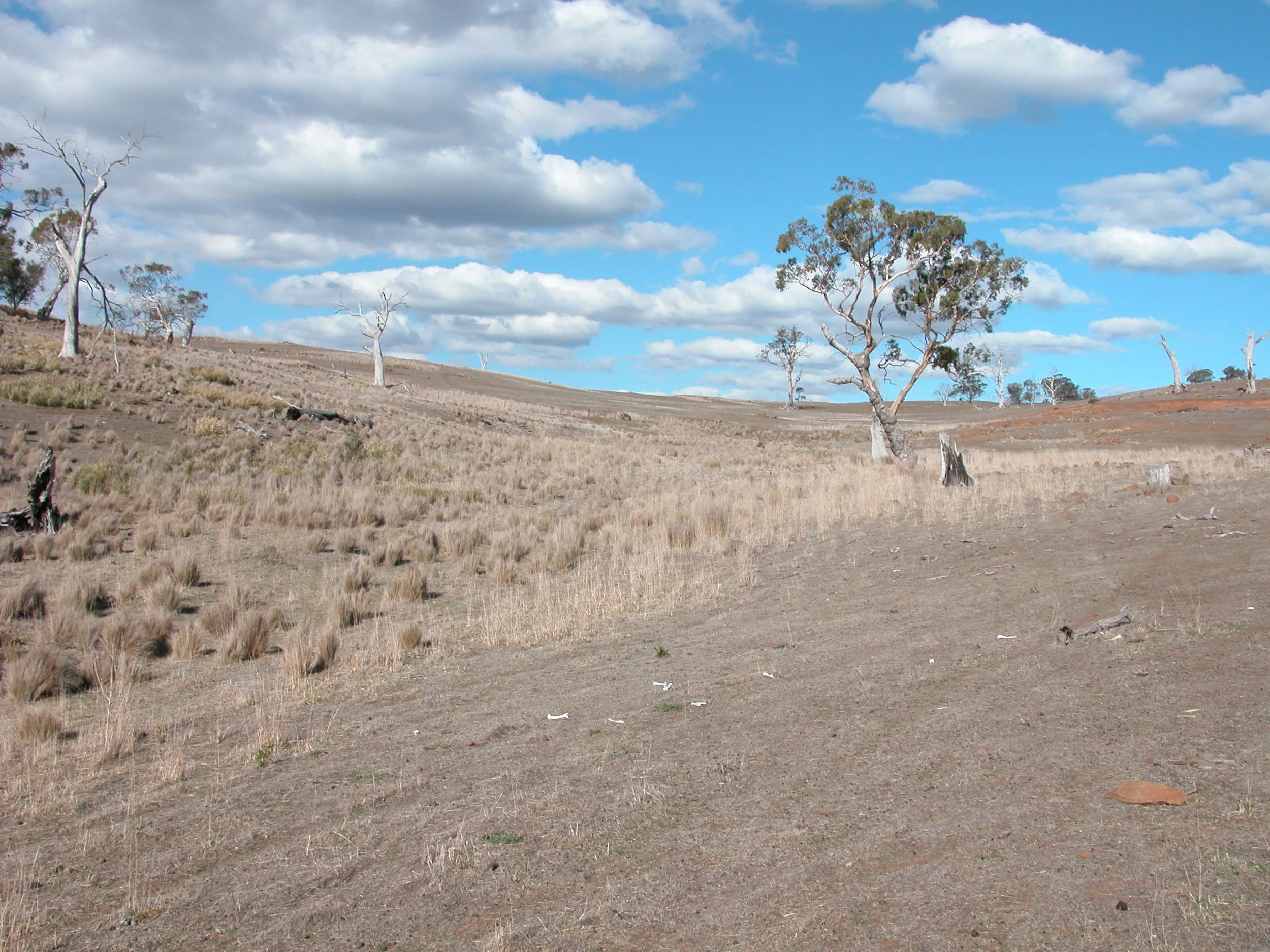
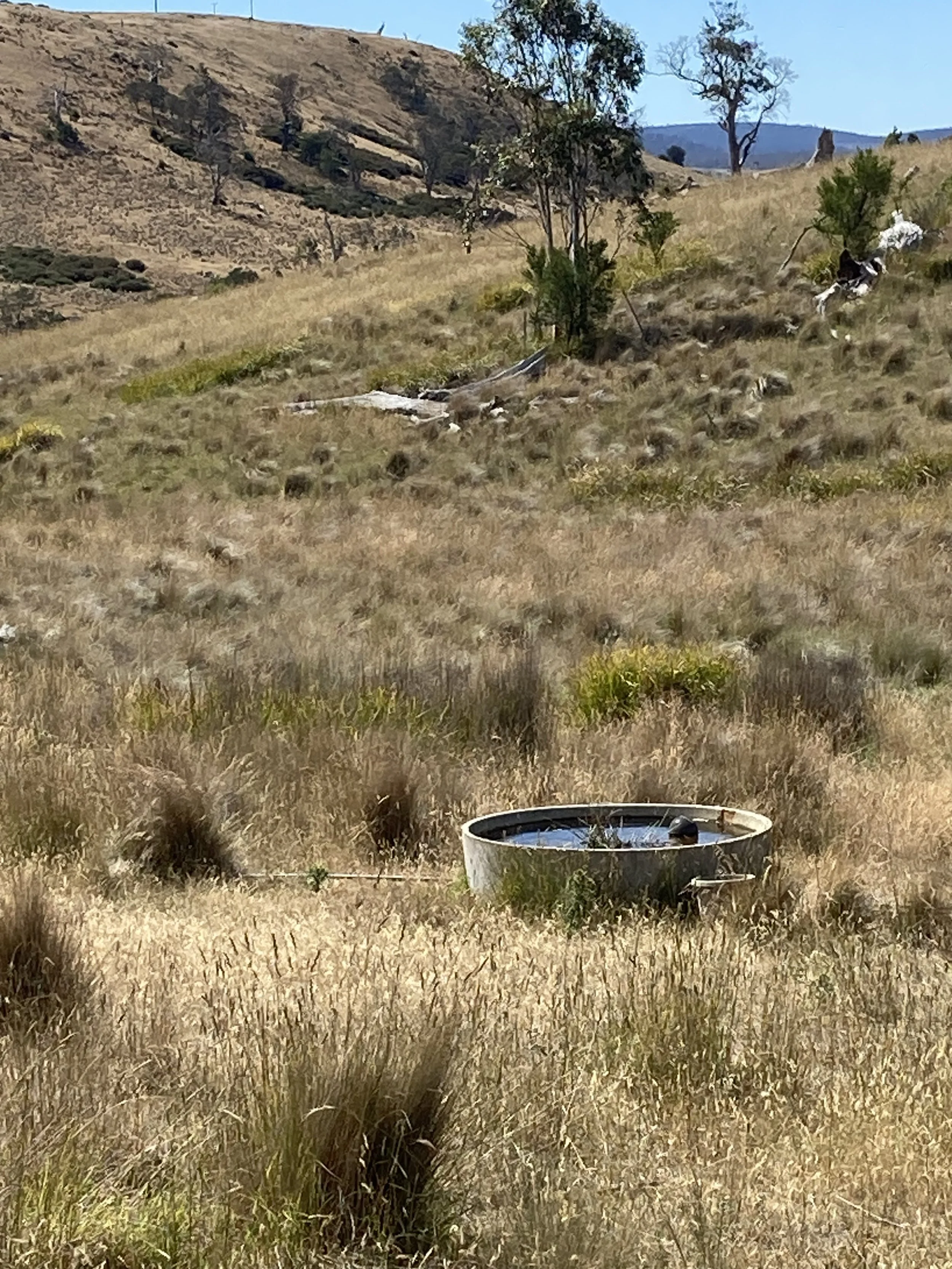
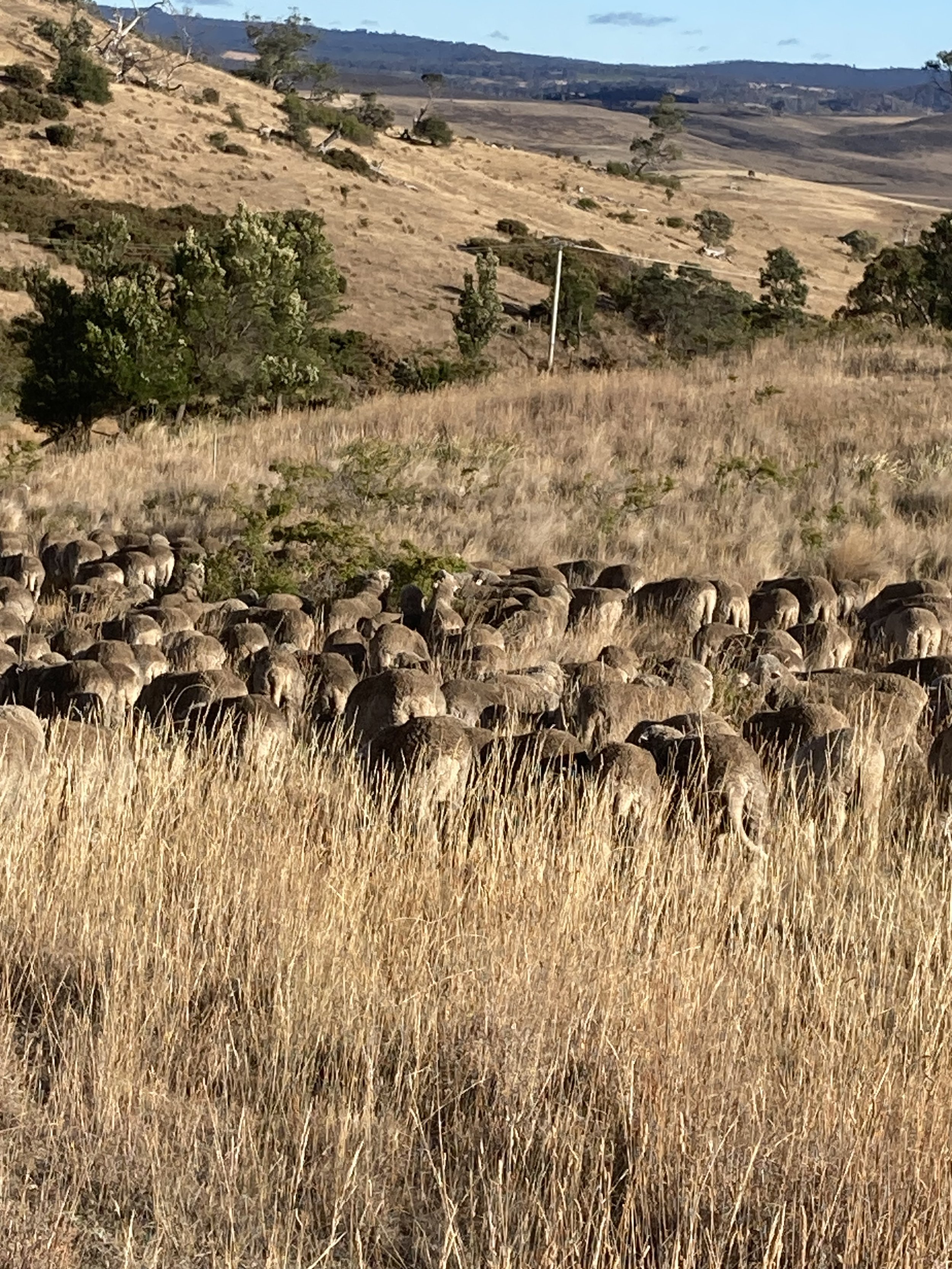
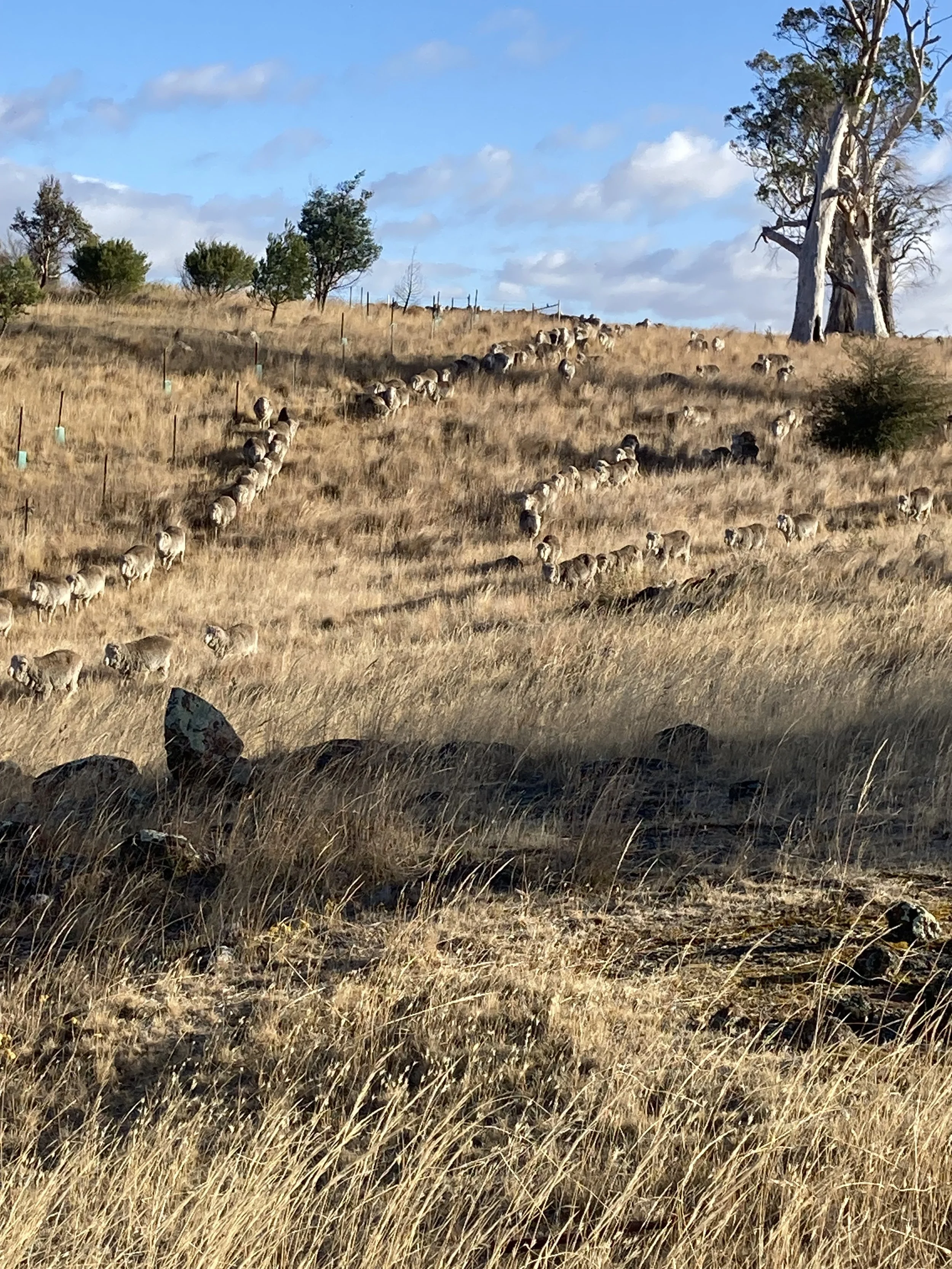
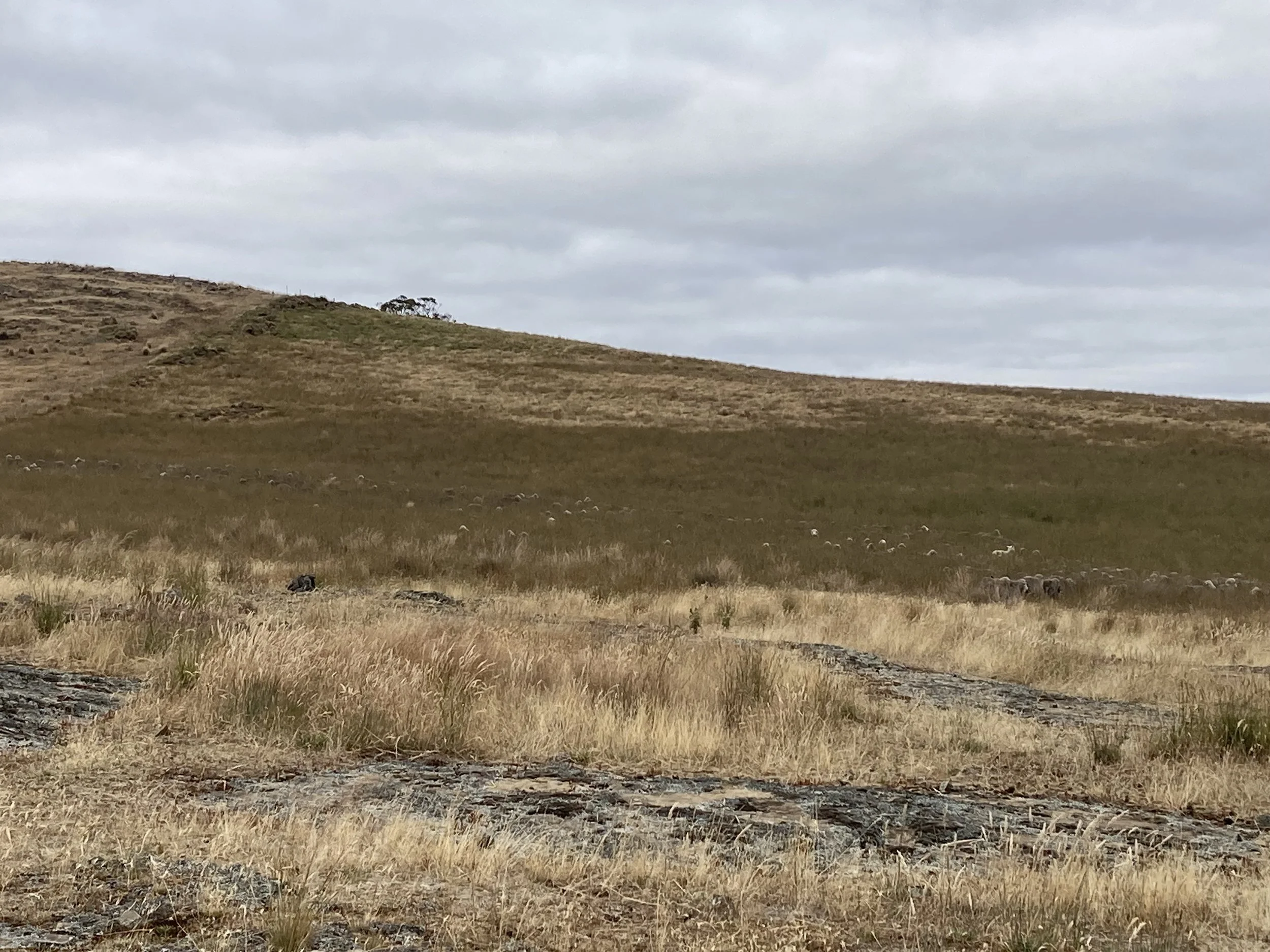
Still, there’s only so much staring at the sky hoping for rain, interspersed with staring at the Bureau of Met’s forecasts hoping for rain, that is mentally healthy. I’m still doing that, but have come up with a water-based project to take my mind off the dry: making ecologically functioning water gardens in my 30+ stock watering troughs.
Back in 2019, I decided to get rid of a small decorative fish pond in front of my old house (the house from which I now run the yarn business). The pond had mostly native plants, but, unfortunately, 30 or so distinctly non-native fishies: little goldfish. Little goldfish, like puppies, are cute when they’re small. Unlike puppies, little goldfishies, given access to open water grow up into great big carp, outcompeting native fish, roiling up the soil on the bottom and generally making themselves an ecological nuisance.
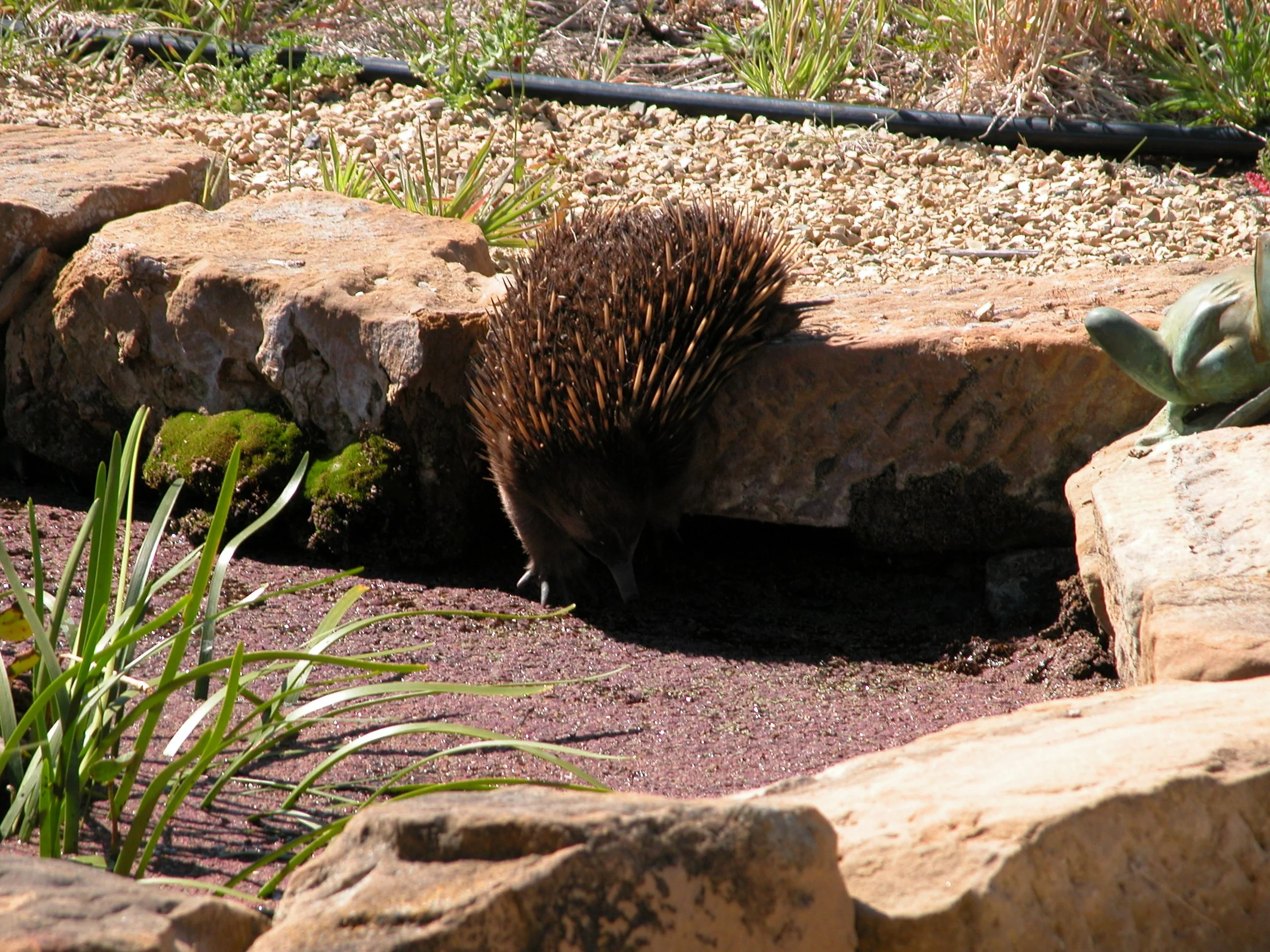
Literally seconds after I took this photo of an echidna drinking from the fish pond, it fell in and had to be rescued! Trust me, it’s not that easy fishing a dripping, half-drowned echidna out of the water. The episode was one of the reasons I decided to get rid of the pond.
I knew I couldn’t release the cute little fishies, but in my soft-hearted way, I couldn’t bring myself to kill them either. I hit on the idea of transferring them, along with the native plants, into a couple of my largest water troughs. Neither trough is anywhere near a waterway, so any escapees would be doomed, rather than becoming nuisances.
Those cute little goldfishies are now several inches long, having thrived along with the plants in the troughs. And the water in the troughs stayed remarkably clear of algae — so much so that I didn’t have to clean them out. That was a good thing, because cleaning them out is a pain, but also hard on the goldfish.
It gradually dawned on me that the onerous job of semi-annual trough cleaning (first, find the often buried drain bung, then drain, shovel as much muck as you can, allow to dry out, shovel the remaining dried muck, refill) might be a thing of the past if I got the right little ecosystem working in each of my many troughs.
Over the years from 2019 to 2024, I’ve made sporadic efforts to get native plants (no more goldfish!) into all of my troughs. It wasn’t exactly systematic, more like grazing through our native plant nursery, Plants of Tasmania, then using whatever supplies I had to hand to make containers for them, trying to get the top of the container to sit at about water height in the troughs (not as easy as it sounds).
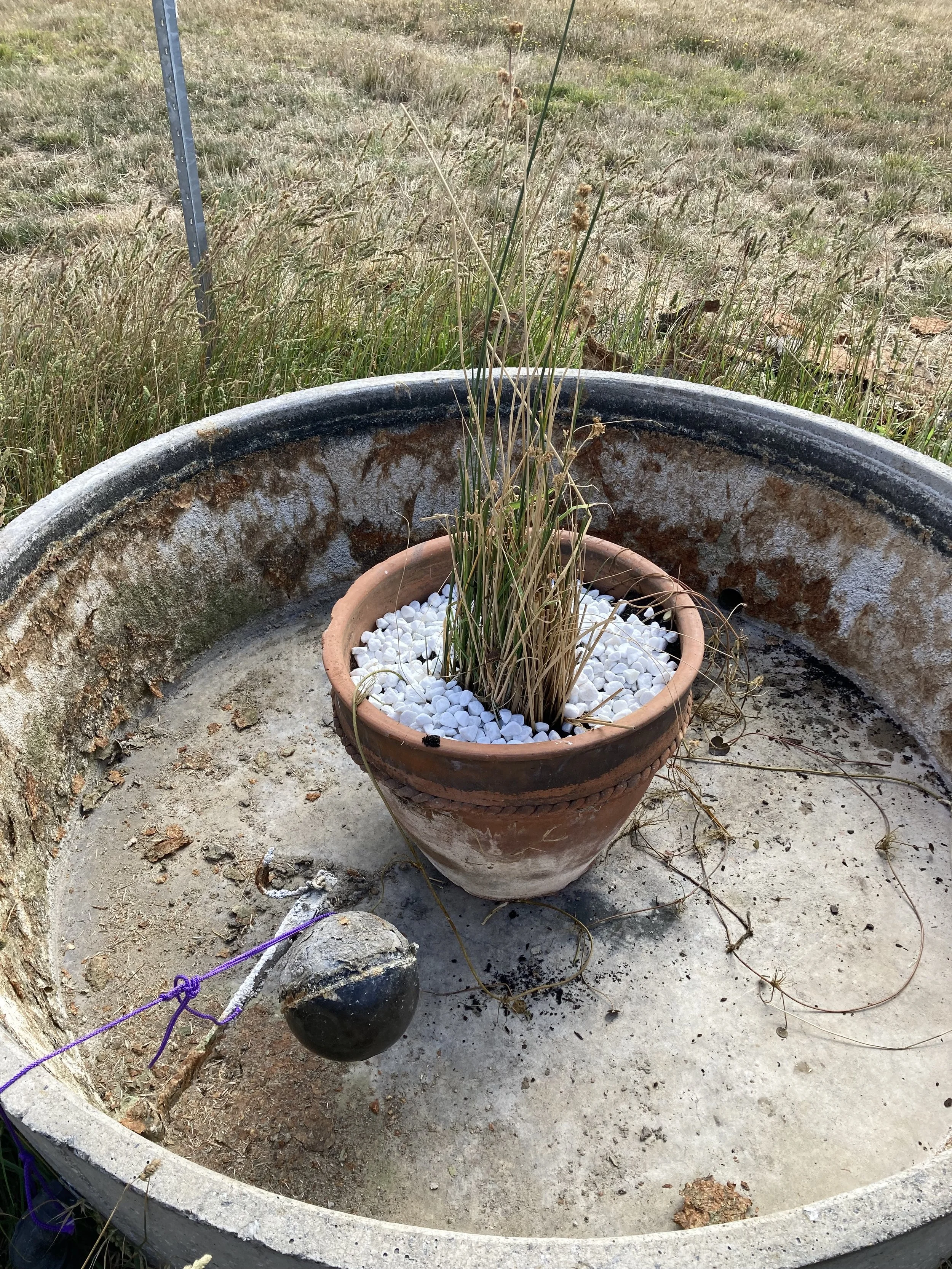
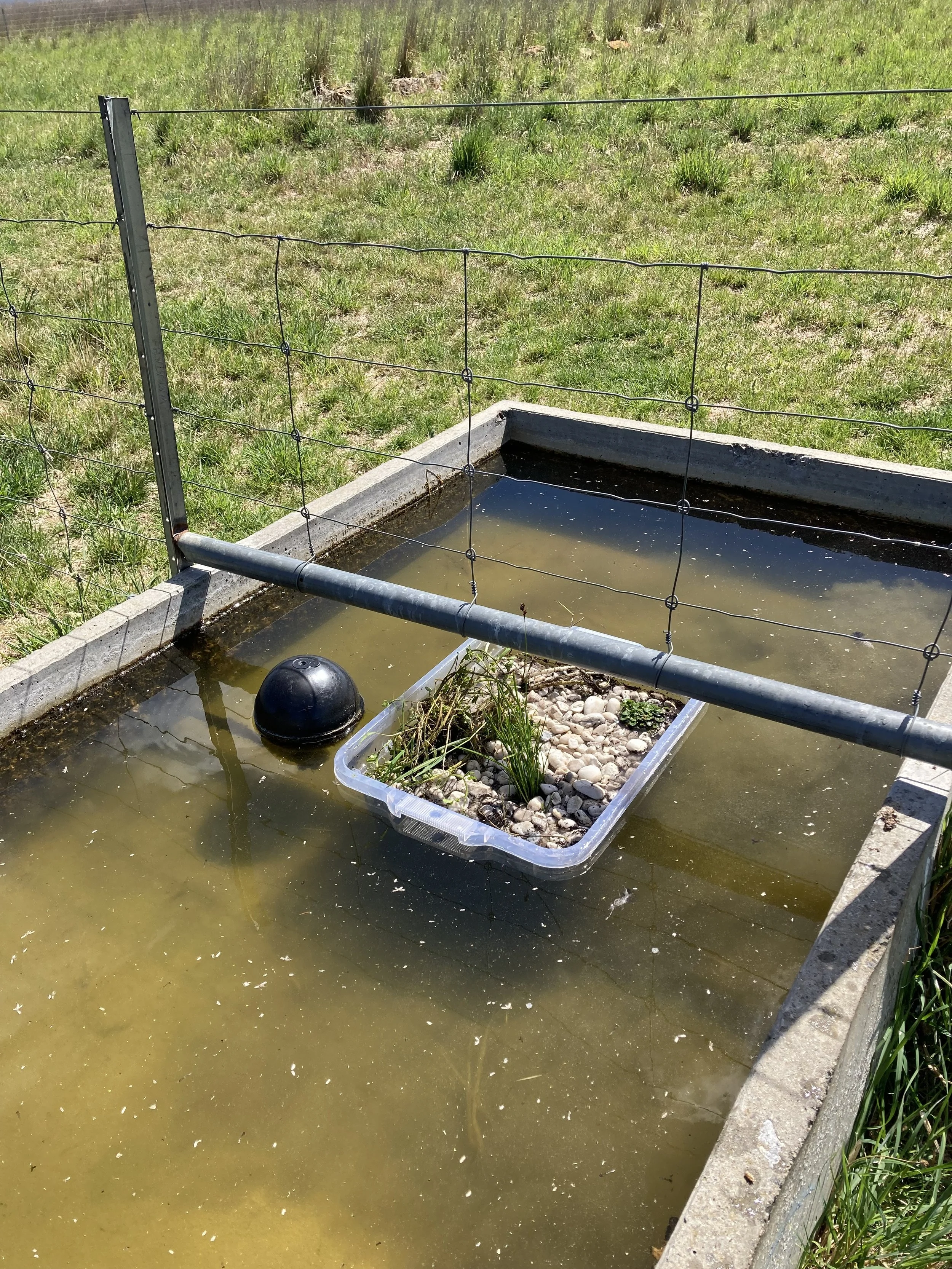
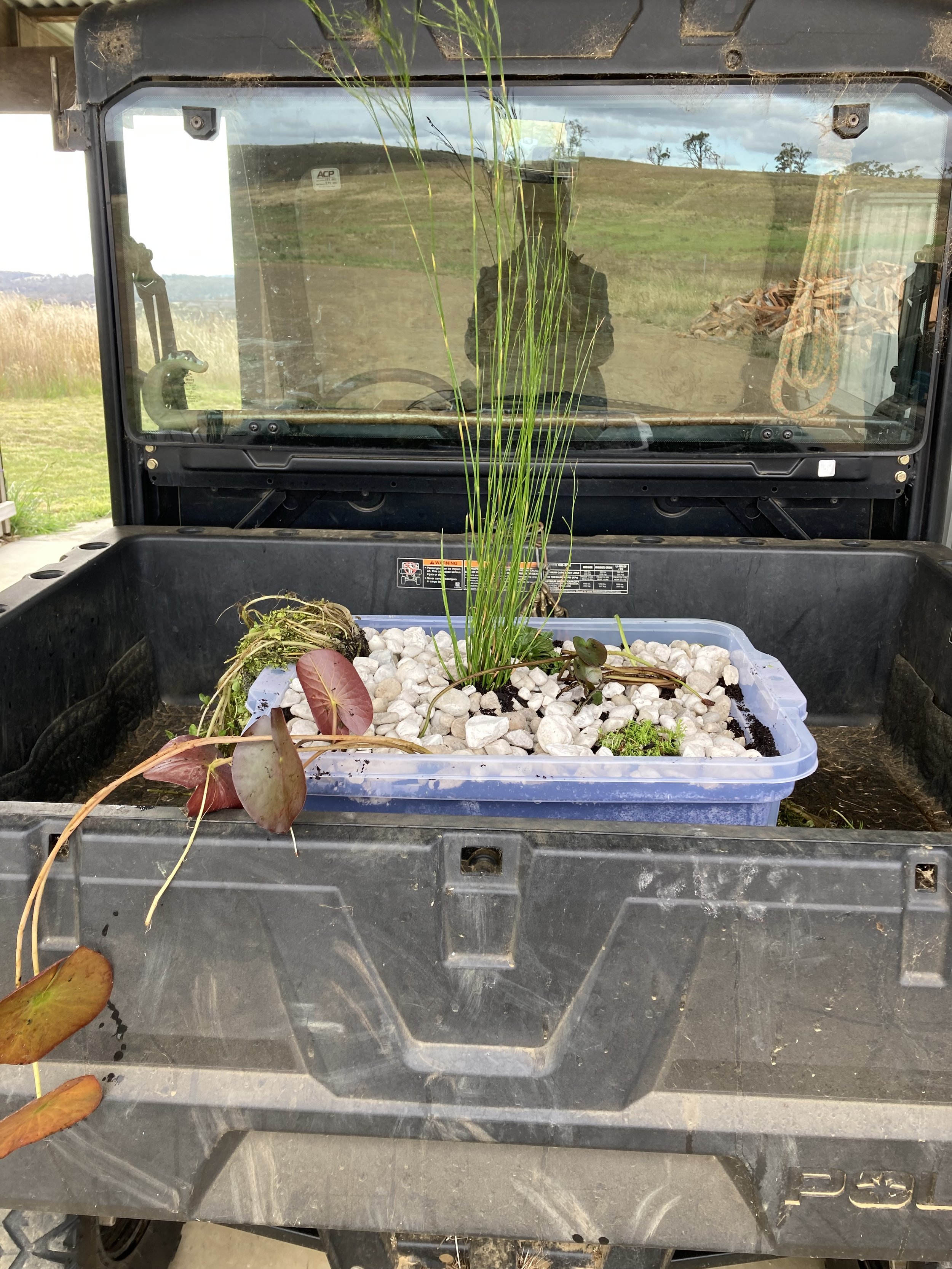
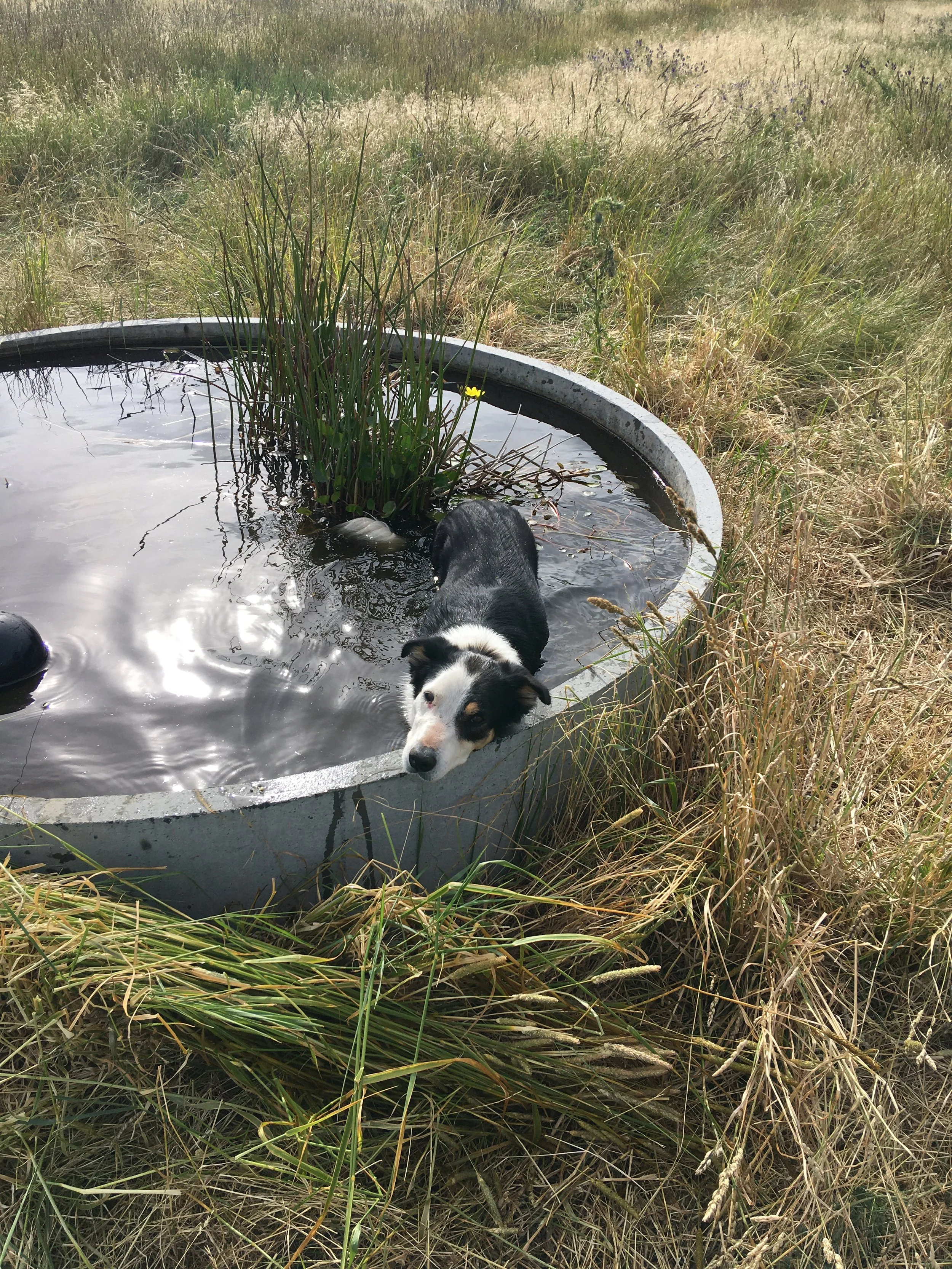
The good news is I haven’t needed to drain or clean out a trough in about 4 years. Admittedly, some combinations of plants worked better than others, but we had proof of concept.
This year I have a volunteer working on the farm, Antje, who among other things has a Ph.D. in Tasmanian wildlife, as well as a fair bit of experience with native plants. (She’s also a keen knitter, but that’s a story for the next yarn.) I gave Antje the project of making the water gardens more functional. She was delighted.
After doing an inventory of what plants were in each trough, which troughs were showing the best results with regard to reducing algae, and noting that several of the troughs were now supporting frog populations, she went on to research how best to draw excess nutrients out of natural water systems. (The excess nutrients in the troughs are from sheep spit). Her research led her to sewage treatment systems using plants, and from there to the concept of floating wetlands.
We decided floating wetlands were an approach worth trialling, and have now made a number of prototypes to test different construction techniques and the effectiveness of of the little tiny wetlands in sheep troughs. It’s early days, but we’re optimistic we’ve hit on a fairly simple, inexpensive way to support water plants, maximising the surface area of their roots for pulling in nutrients.
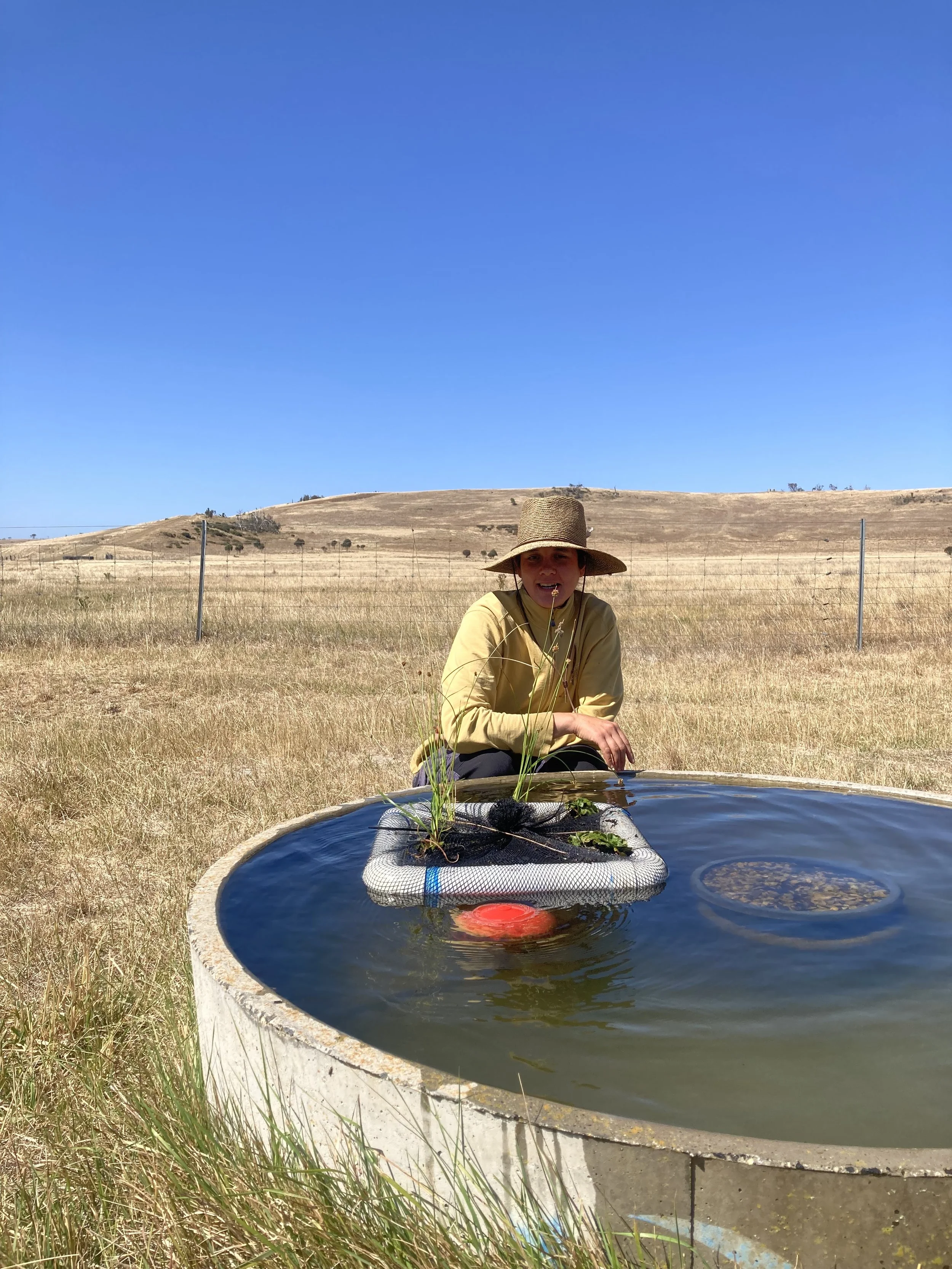
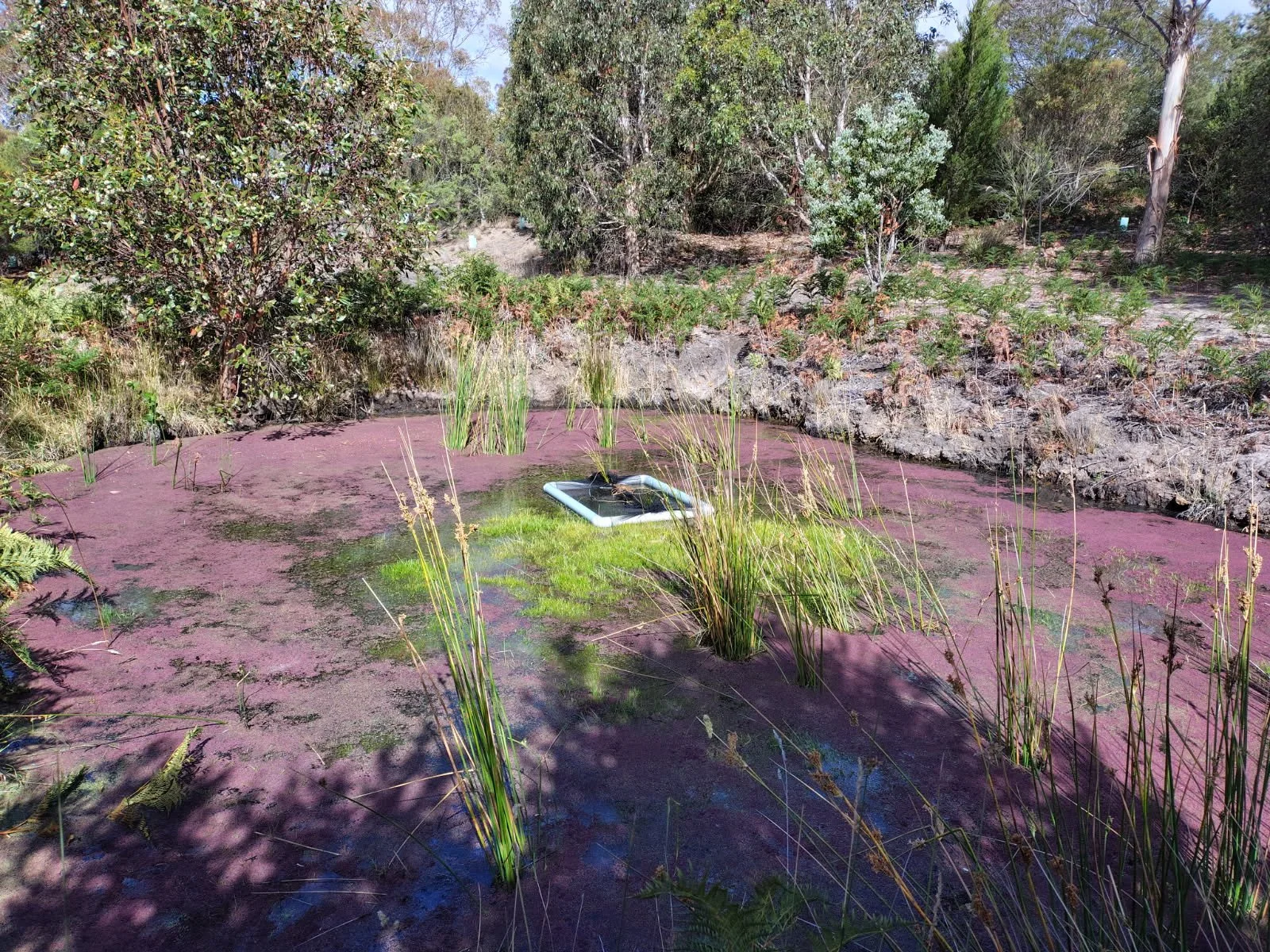
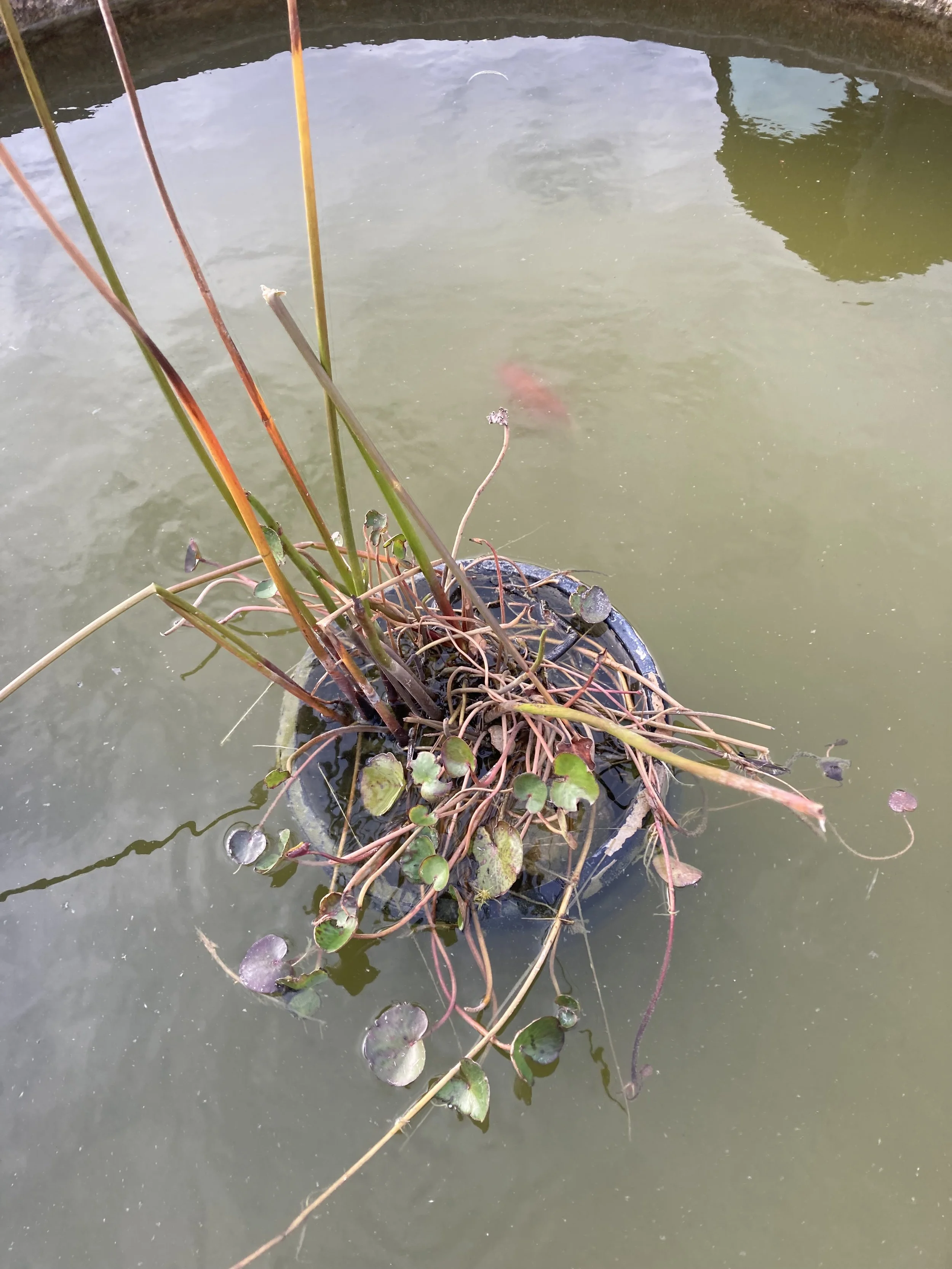
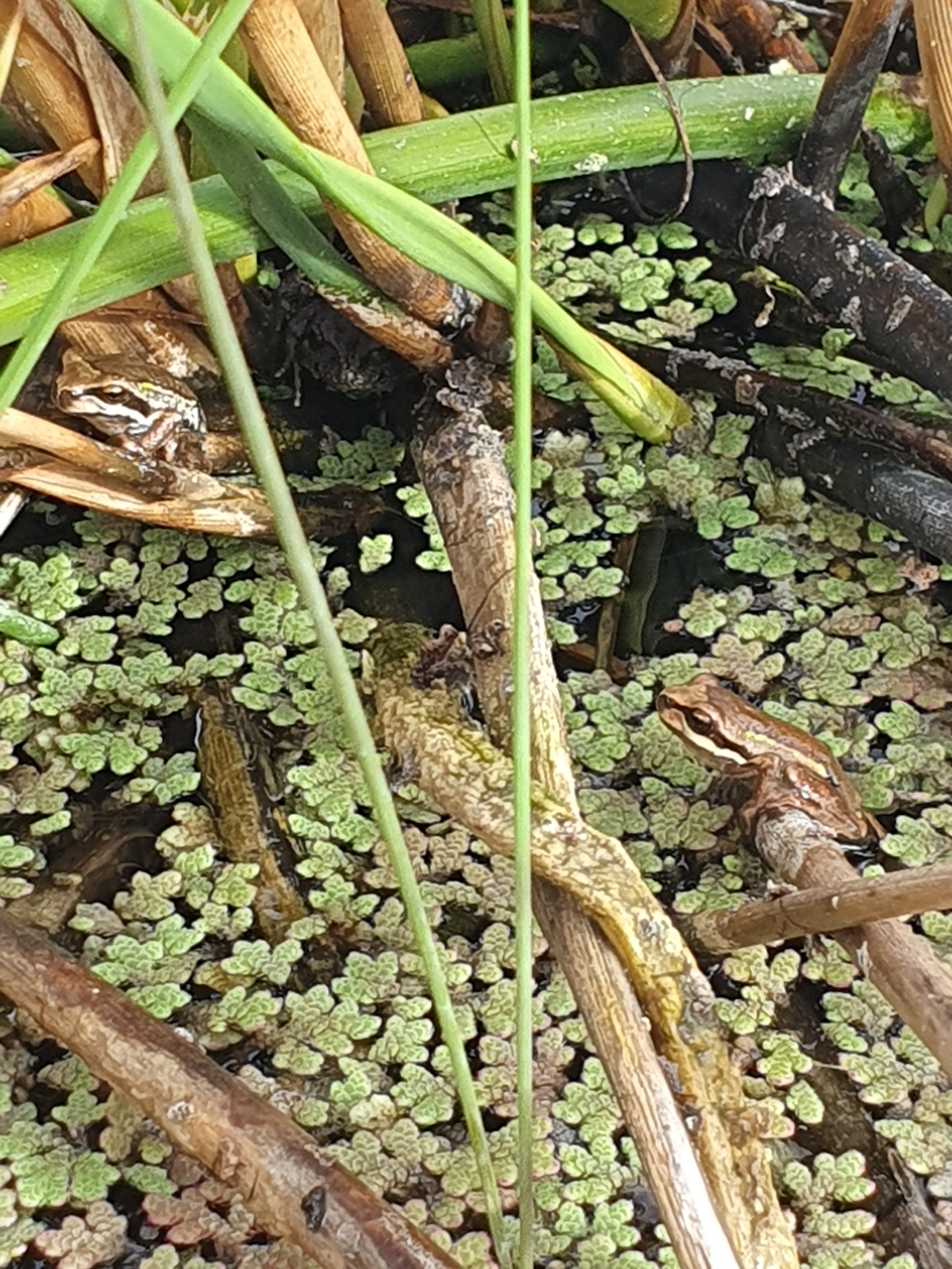
We hope the floating wetlands will also make good frog habitat, providing a surface for adult frogs to sit and rest in close proximity to where they lay their eggs and raise their tadpoles.
We’re just starting to test the early prototypes in troughs where there is heavy use by sheep. We want to see if our hypothesis is correct that because they float, the wetlands will move out of reach when the sheep try to graze the plants in them.
Of course, my clever sheep would not be above collusion: “You hold it still, and I’ll eat!”