Yarn Edition #3: Bouclé 12 Ply
Introduction
WGW bouclé is, in my view, wool’s answer to polar fleece. But wait! Isn’t bouclé that stiff loopy stuff used in upholstery?! Well, yes, it is, though bouclé doesn’t have to be stiff and scratchy, or even obviously loopy.
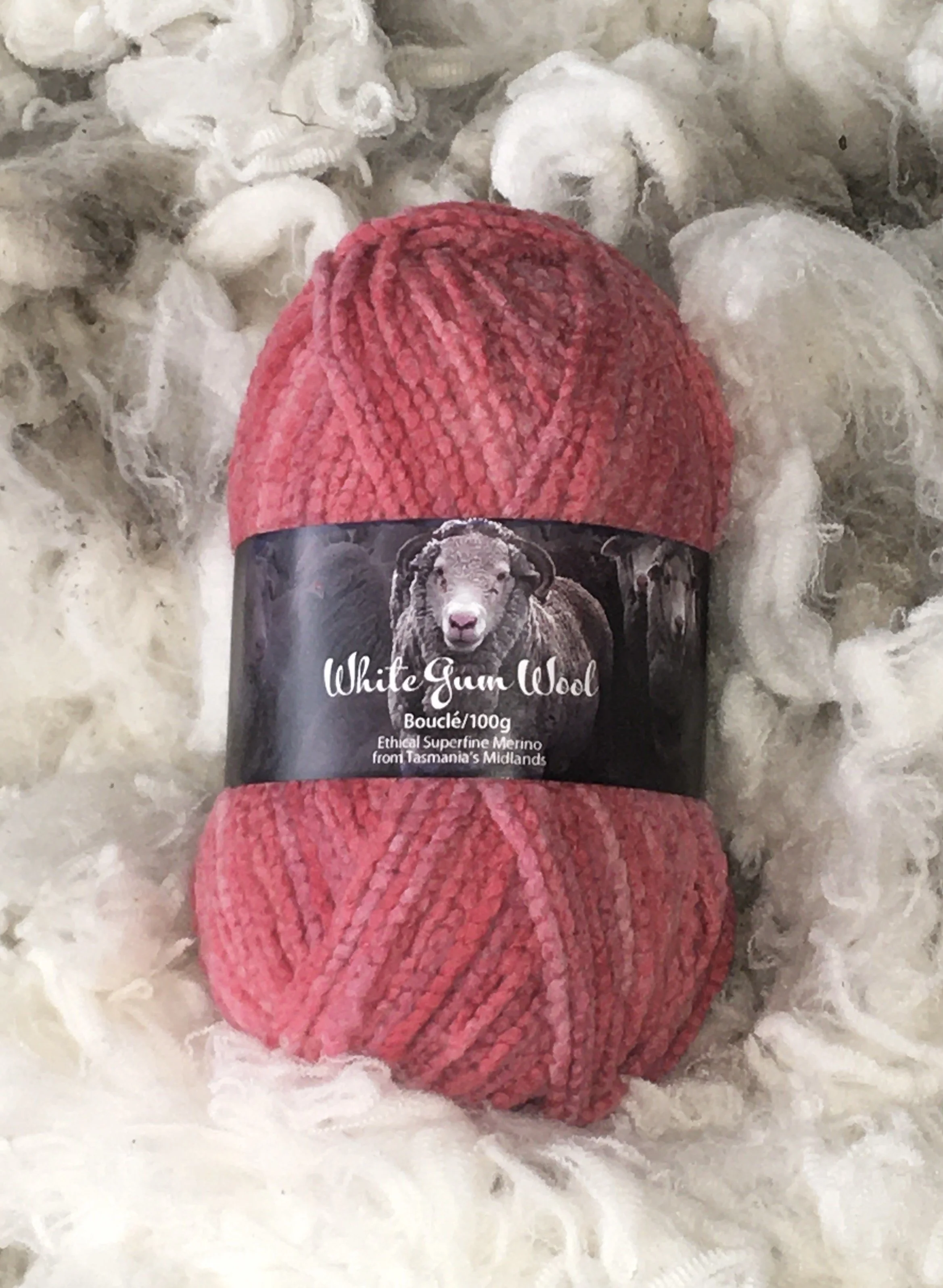
We began making bouclé in the early days of WGW production as a way to get around the issue of pilling in heavier plys. Let me back up and explain a bit about spinning techniques. The most common are woollen and worsted.
Tweed is the archetypal woollen-spun yarn, with carded fibre spun directly into a single strand, then plied as needed to get the weight of the final yarn. Tweed is typically scratchy, but warm, as the many cross-fibres stick out of the final yarn to annoy your skin, but the construction of the yarn captures air, and hence heat, and holds it close to your body. No wonder tweeds are the garments of choice for hiking the moors of Scotland in winter!
Worsted-spun yarns are the ones most familiar to crafters. After carding, the fibres are gilled — put through a machine that aligns the fibres in the direction of spin — many thousands of times. Eventually, what emerges is what we sell as combed top, but is more accurately called sliver. When spun, the yarn has a silky, buttery feel to it, and great stitch definition. This is the yarn you want to use for cabled jumpers or fine lace.
The drawback to using superfine merino in worsted or woollen yarns is a higher tendency to pilling than with coarser yarns. This is simple geometry. Pilling is caused by cross fibres sticking out of the yarn, catching on something, then rolling up into a pesky little pills. The more fibres in the cross-section of your yarn, the more chances for those cross-fibres to be present. And because the diameter of superfine merino is ½ to ⅔ that of coarser wool, there are 3 to 4 times as many fibres in the cross-section of a superfine merino yarn.
At the outset of getting WGW fleece turned into beautifully soft worsted yarns, I was advised not to go above an 8 ply for fear of creating a pilling monster.
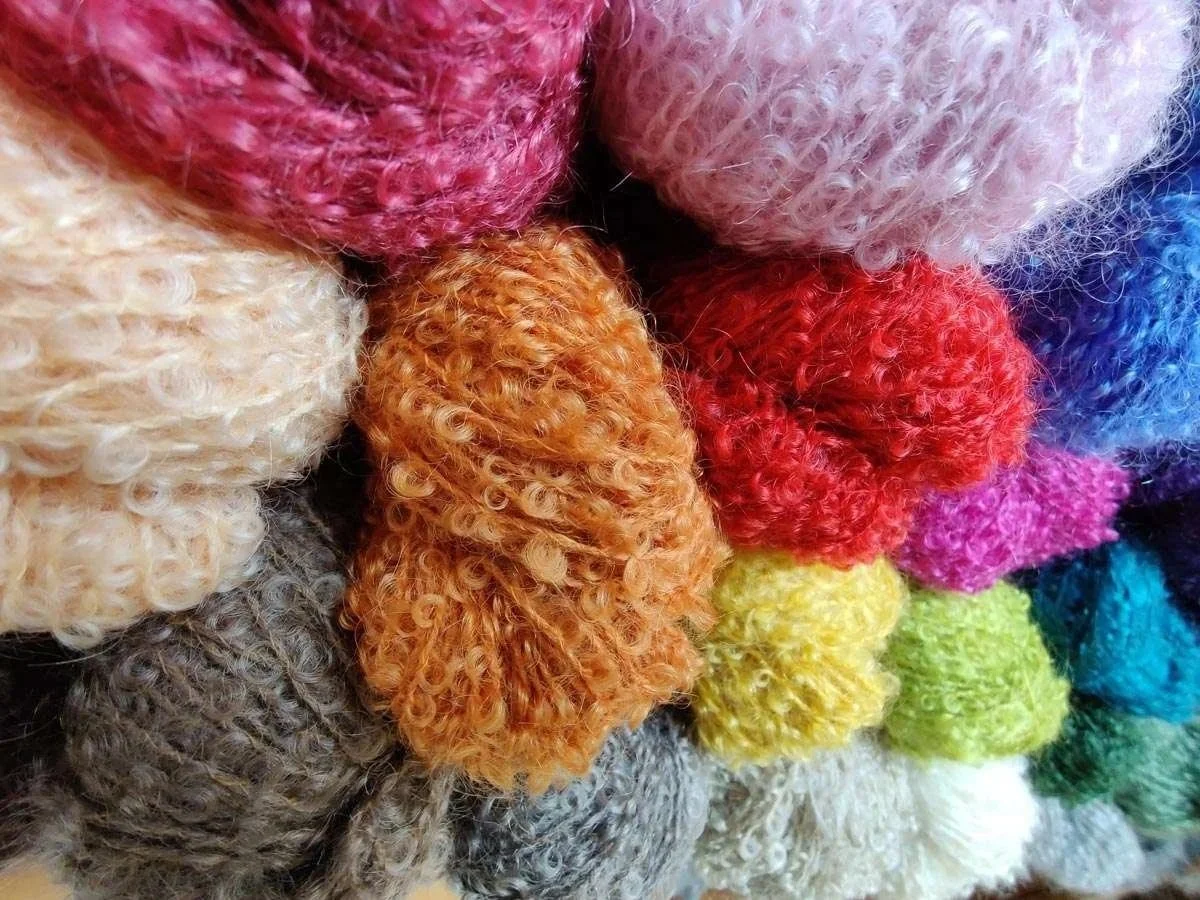
Happily, I was given an alternative — bouclé. It’s created by a completely different spinning process, one where a slim section of combed top is twisted a bit, then wrapped with a fine thread, also made from WGW fibre. We expected this to result in the typical loopy structure of bouclé, which it did until the yarn was heat set — put through a steam bath to fluff and set the yarn.
And presto! The tremendous loft inherent in WGW superfine fibre puffed up the yarn to something that none of us expected — a non-loopy, highly insulating 12 ply yarn. We knew it would never be stiff or scratchy — 17 micron merino will always be next-to-skin soft — but we didn’t expect it to turn into the squishy, lovely answer to polar fleece.
You might well ask why we now make a 10 ply worsted spun yarn. It’s because we found a better way to spin worsted yarns while reducing pilling — a technique known as twist-on-twist. In the next Yarn Edition, we’ll be highlighting 10 ply, and you can learn all about it.
Patterns using bouclé
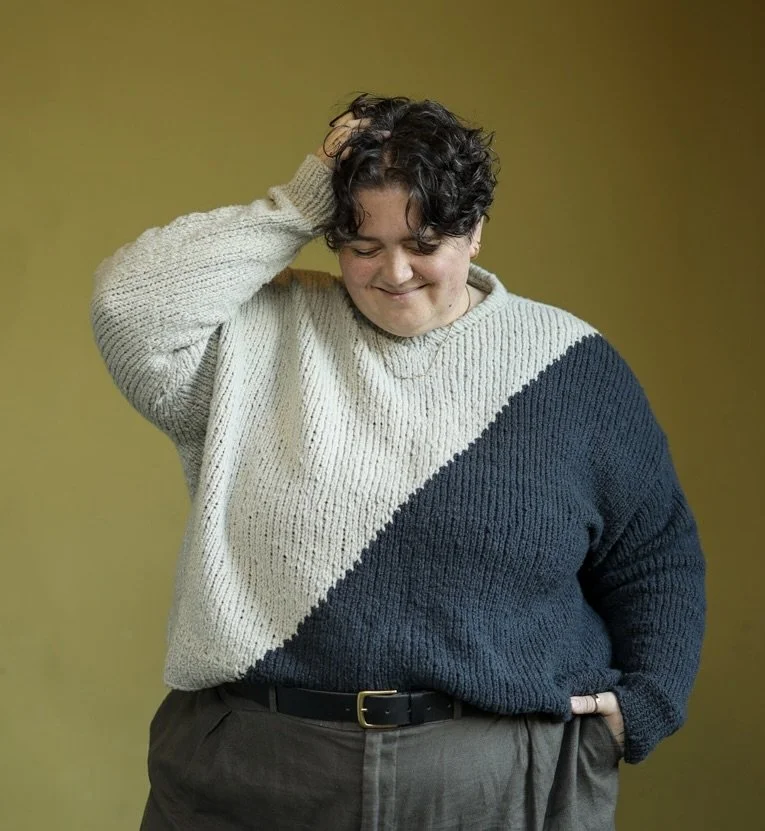
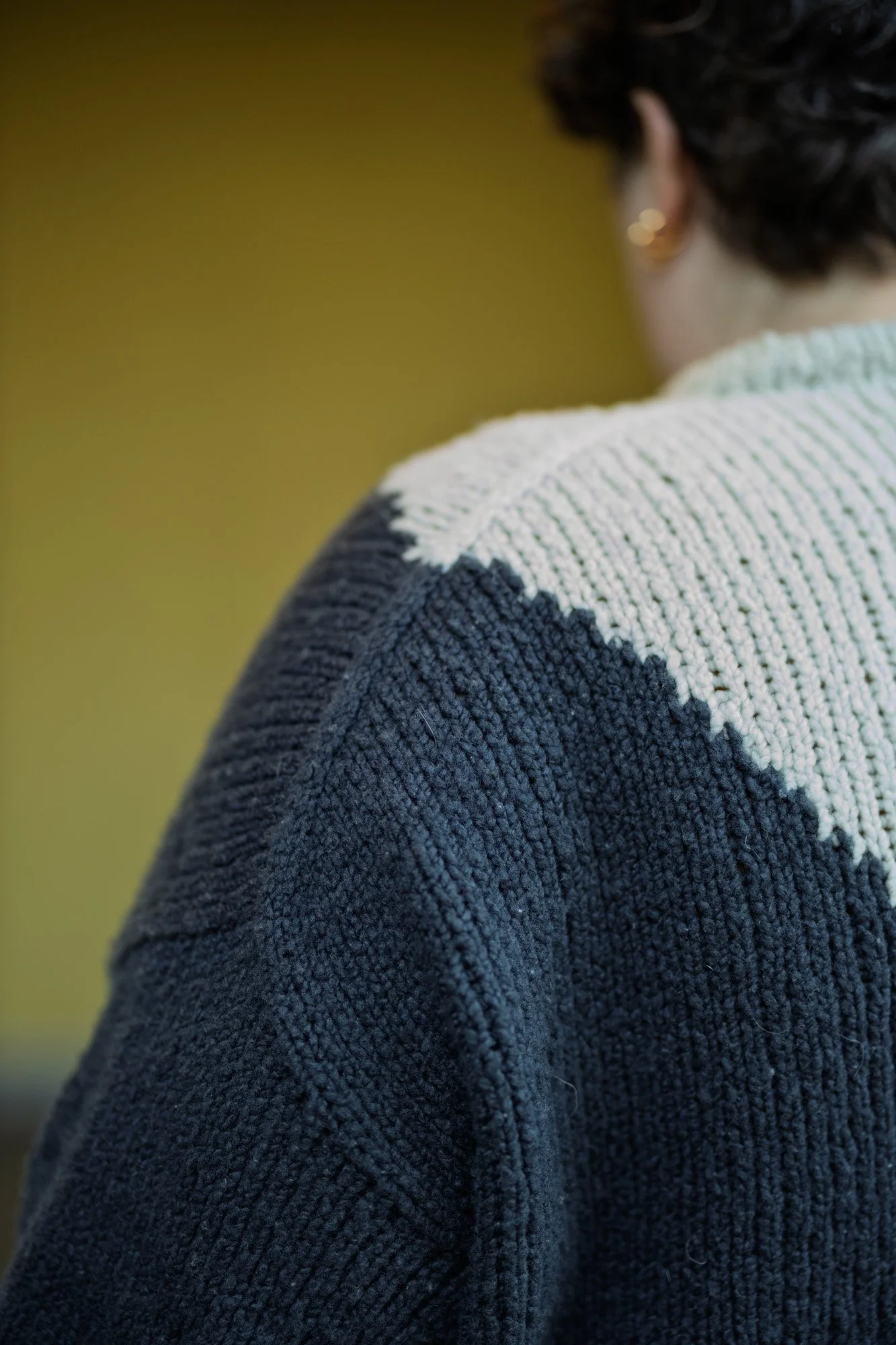
We are SO excited to introduce US designer Jaq Cielsak’s newest pattern using WGW boucle — Tilt, an intarsia pullover. Here’s what they shared about this pattern: I collaborated with White Gum Wool for this design, which features their bulky weight bouclé. I love this yarn and this company, which is deeply committed to transparency and sustainability in the way they care for their sheep. And the yarn is quite literally the most scrumptious merino I have ever felt! The bulky bouclé amplifies the gorgeous, velvety feel of this wool, while also adding beautiful visual texture that softens the look of individual stitches and makes the yarn especially suitable for intarsia.
We have several other bouclé patterns in our collection, including the following:
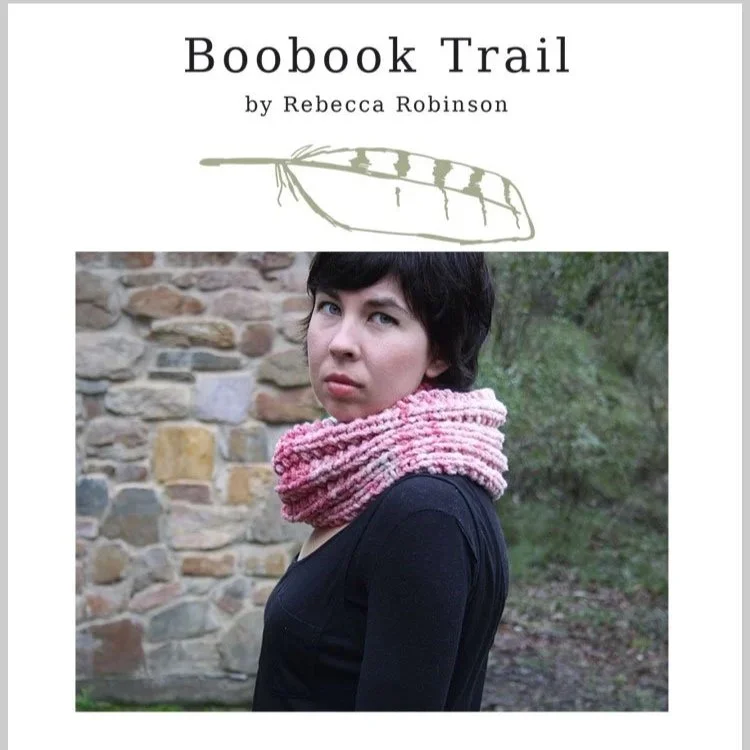
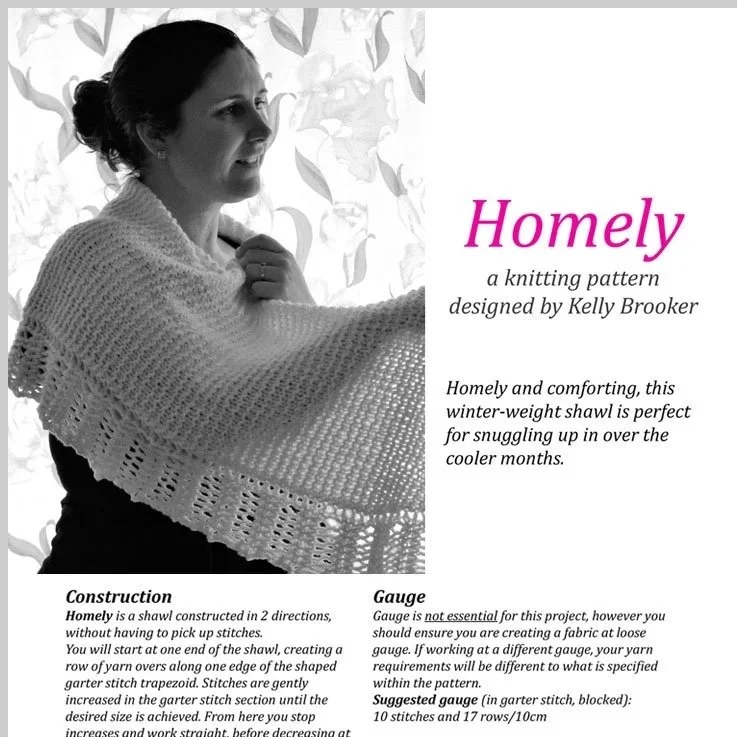
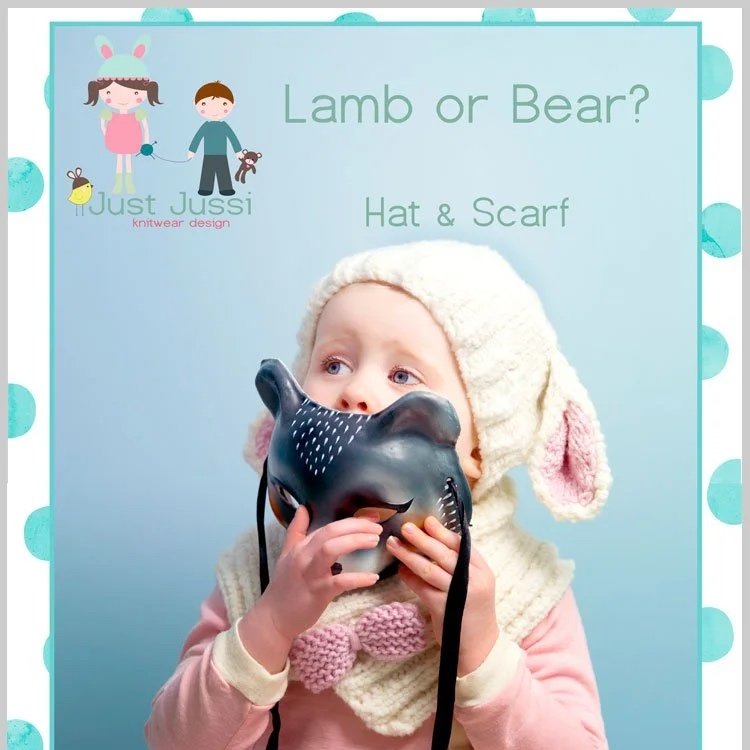
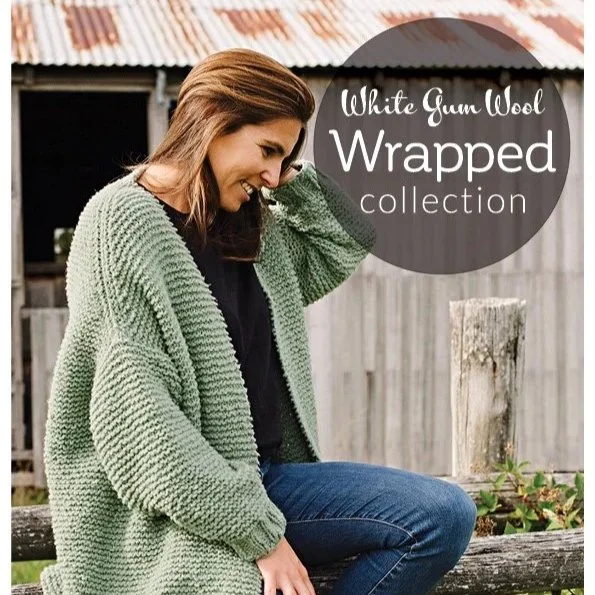
There are additional patterns on Ravelry that use WGW bouclé. Here’s a link: Ravelry WGW Bouclé
And if you have a pattern that you like, that specifies a different yarn, I can recommend the website yarnsub.com to help find a WGW ply that might work as a substitute.
Technical specifications
Our bouclé is a wrapped yarn, made like a traditional bouclé (French for ‘buckled’), but because of the extreme loft and softness of WGW fibre, it feels more like a soft chenille than the typical stiff boucle most people imagine. It’s great yarn for beanies, scarves and blankets, as it knits up quickly and is very warm and light as a knitted fabric. Bouclé is available in 15 solid and variegated colour ways, inspired by the landscape of the farm.
Bouclé also is the base for our Rope yarn, which uses 4 strands of boucle plied together to make a super chunky yarn.
12 PLY BOUCLÉ
METRIC UNITS: 100g: 154m
Tension: 13 st/20 rows for 10 x 10 cm square on 6.0mm needles.
US/UK Units: 3.5oz: 168yd.
Tension: 13 st/20 rows for 4 x 4 inch square on US 10 or UK 4 needles.
CARE: Hand wash cold, dry flat, medium iron, dry cleanable.
Gallery of customers’ projects
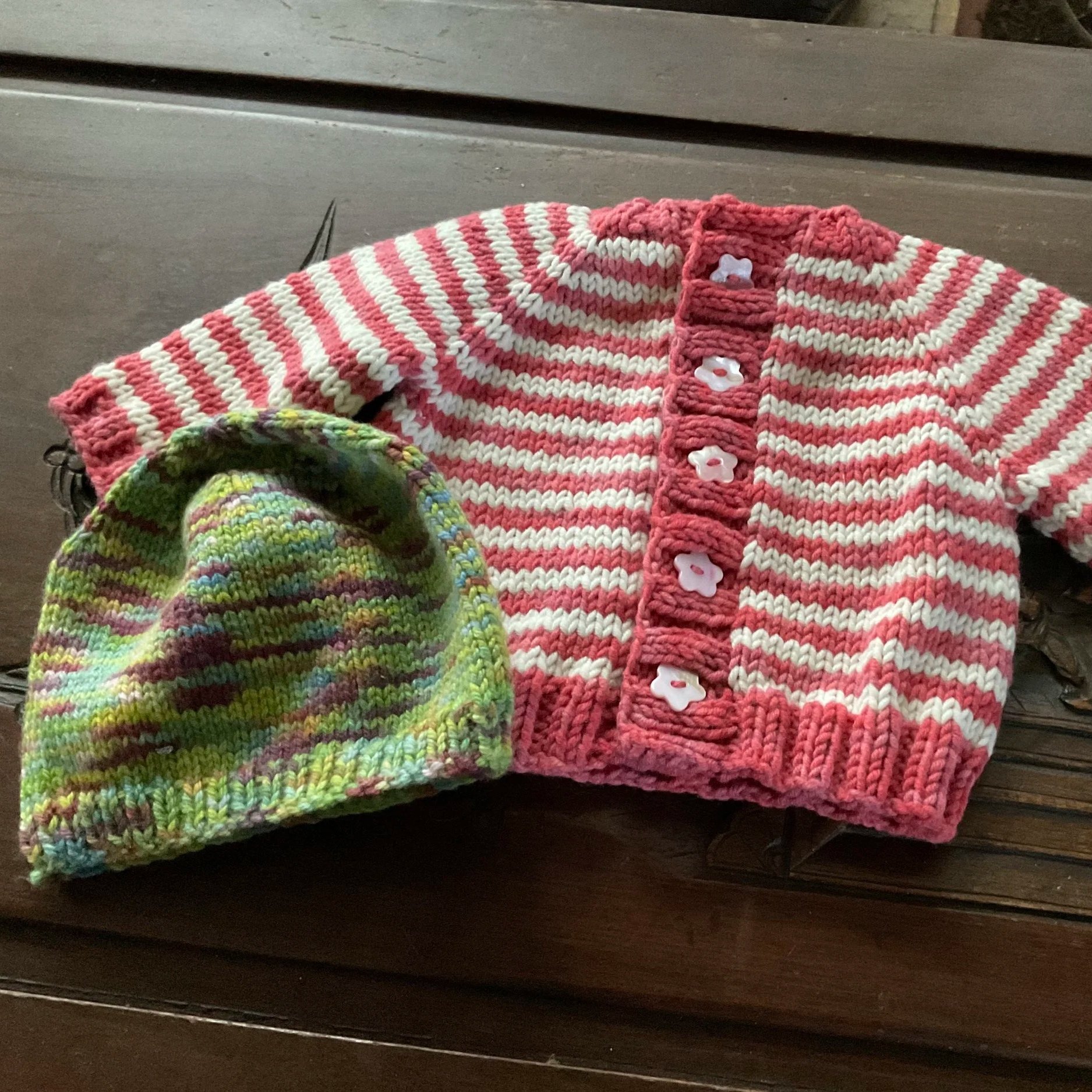
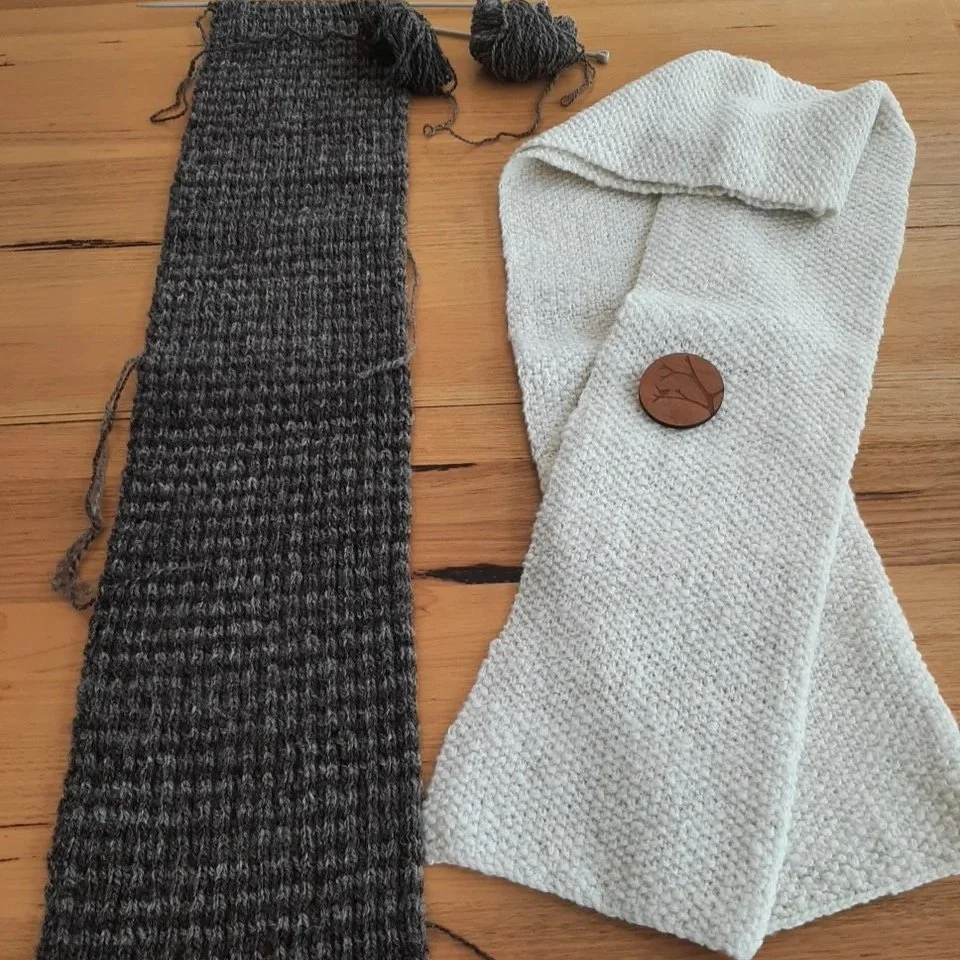
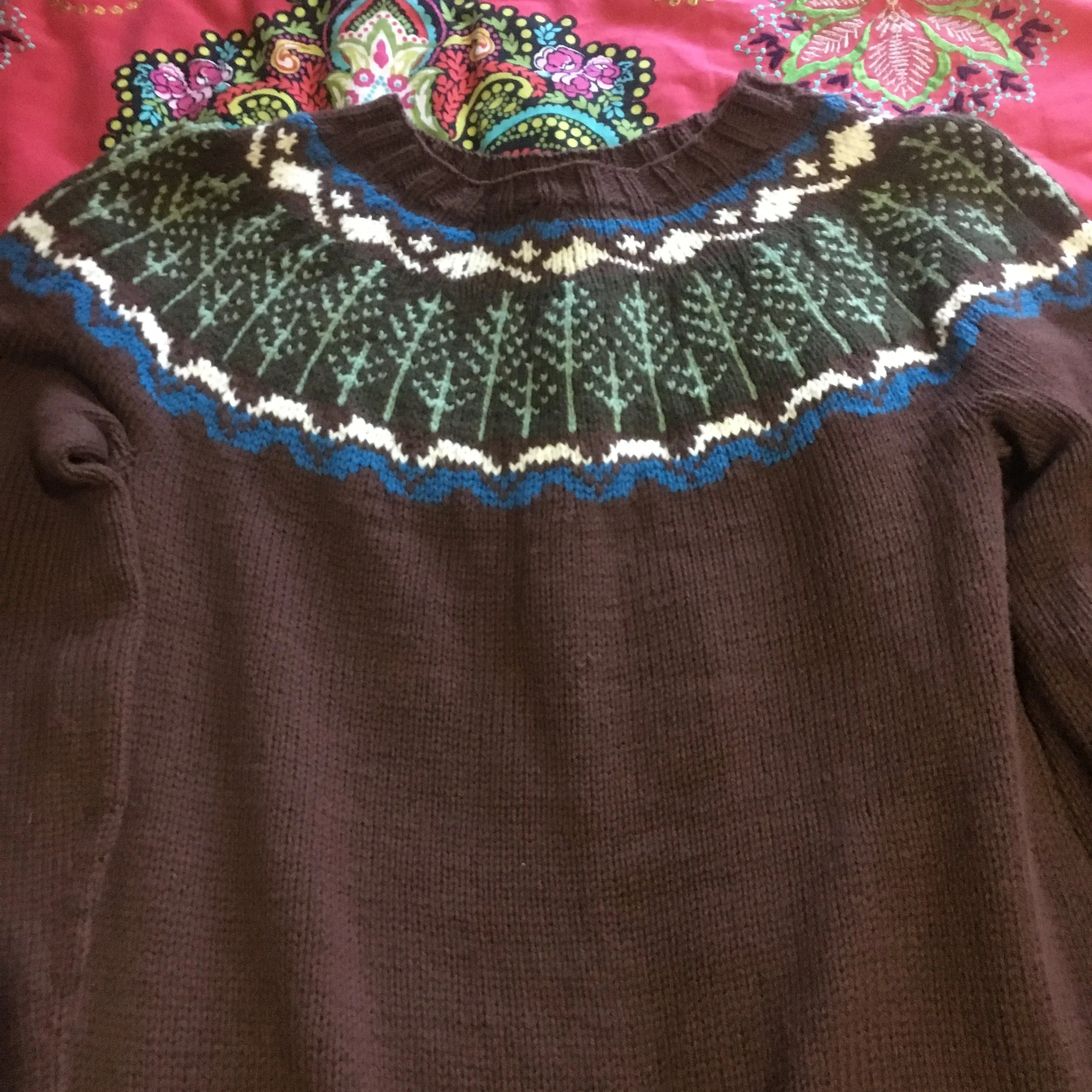
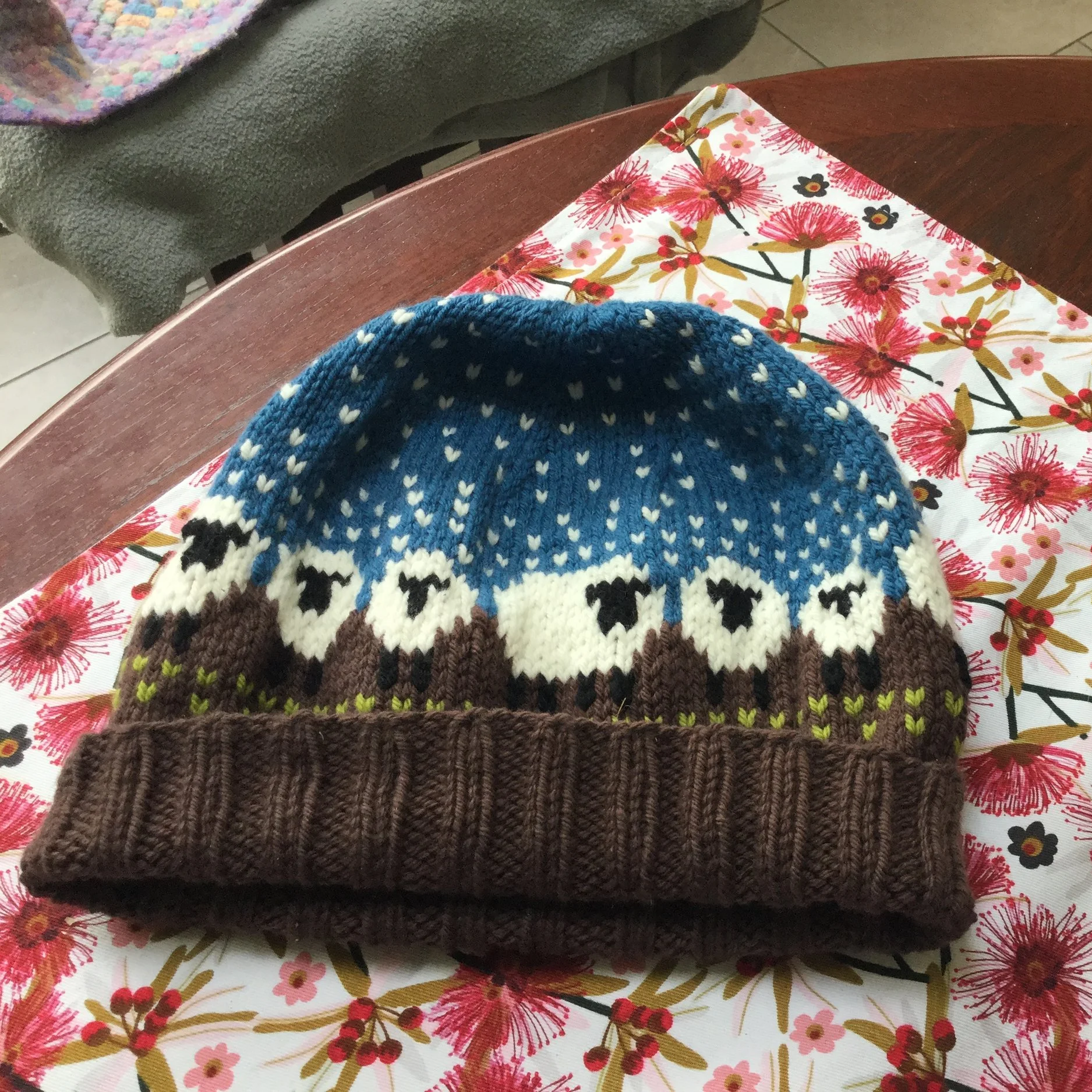
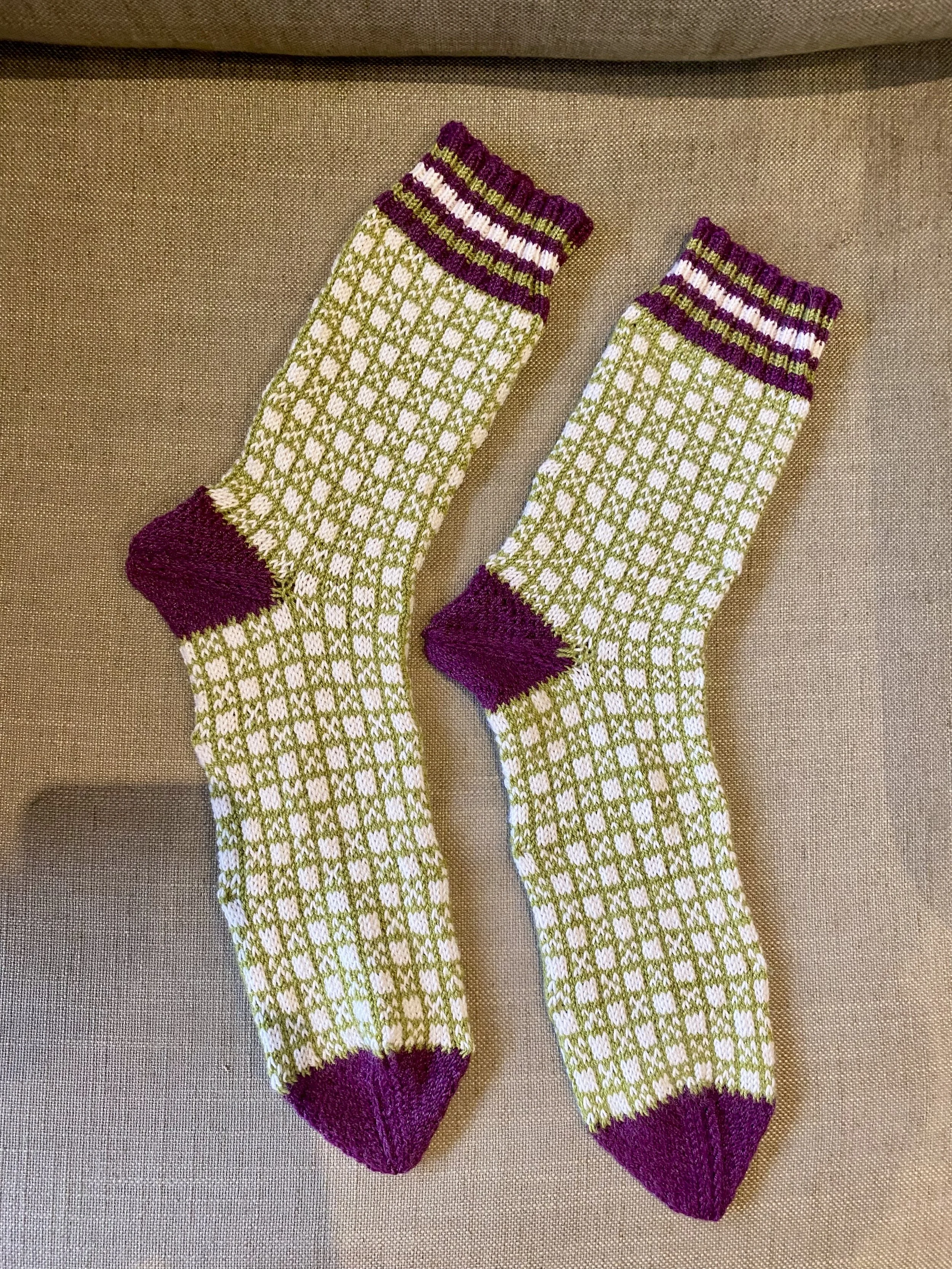
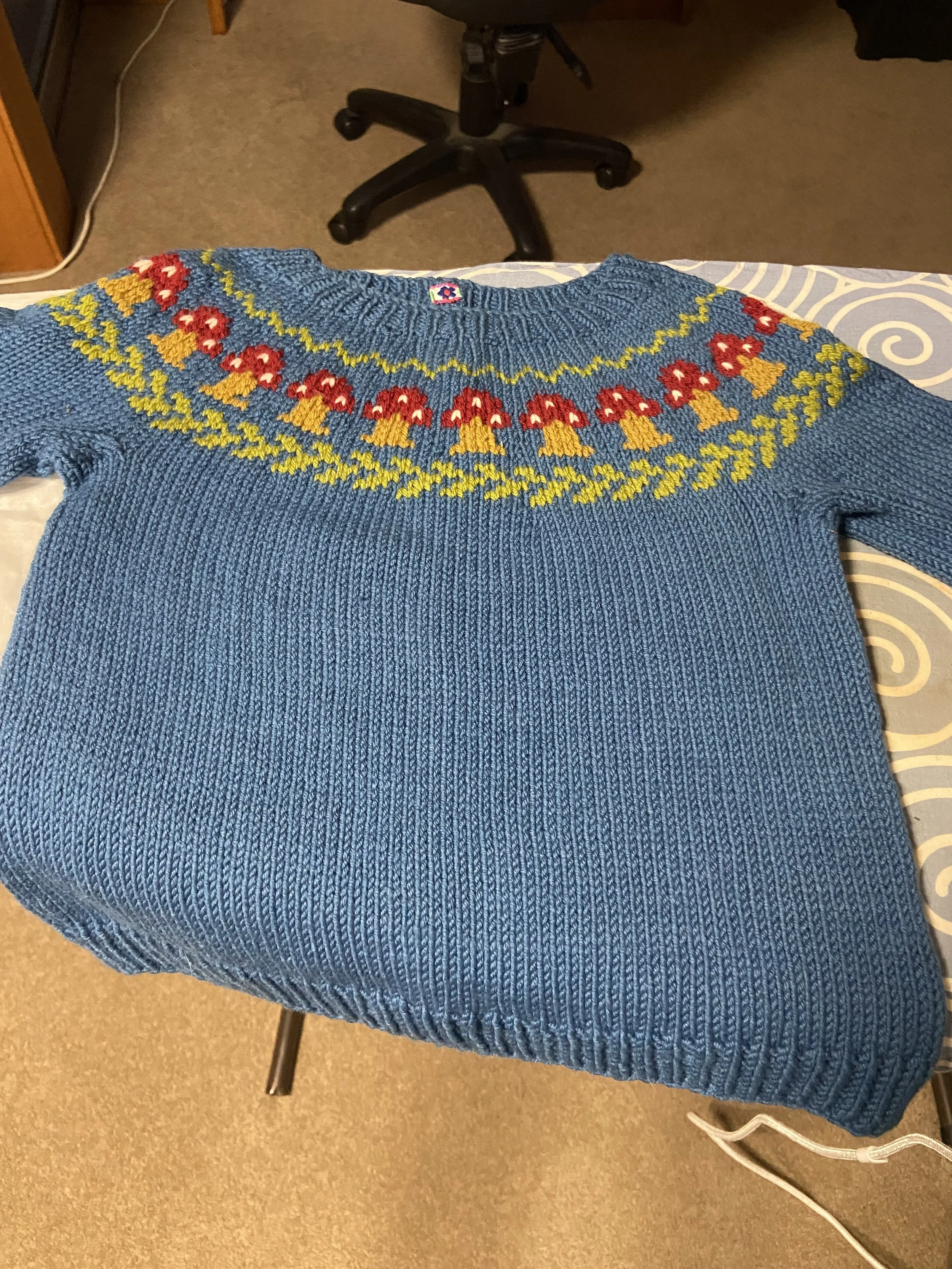
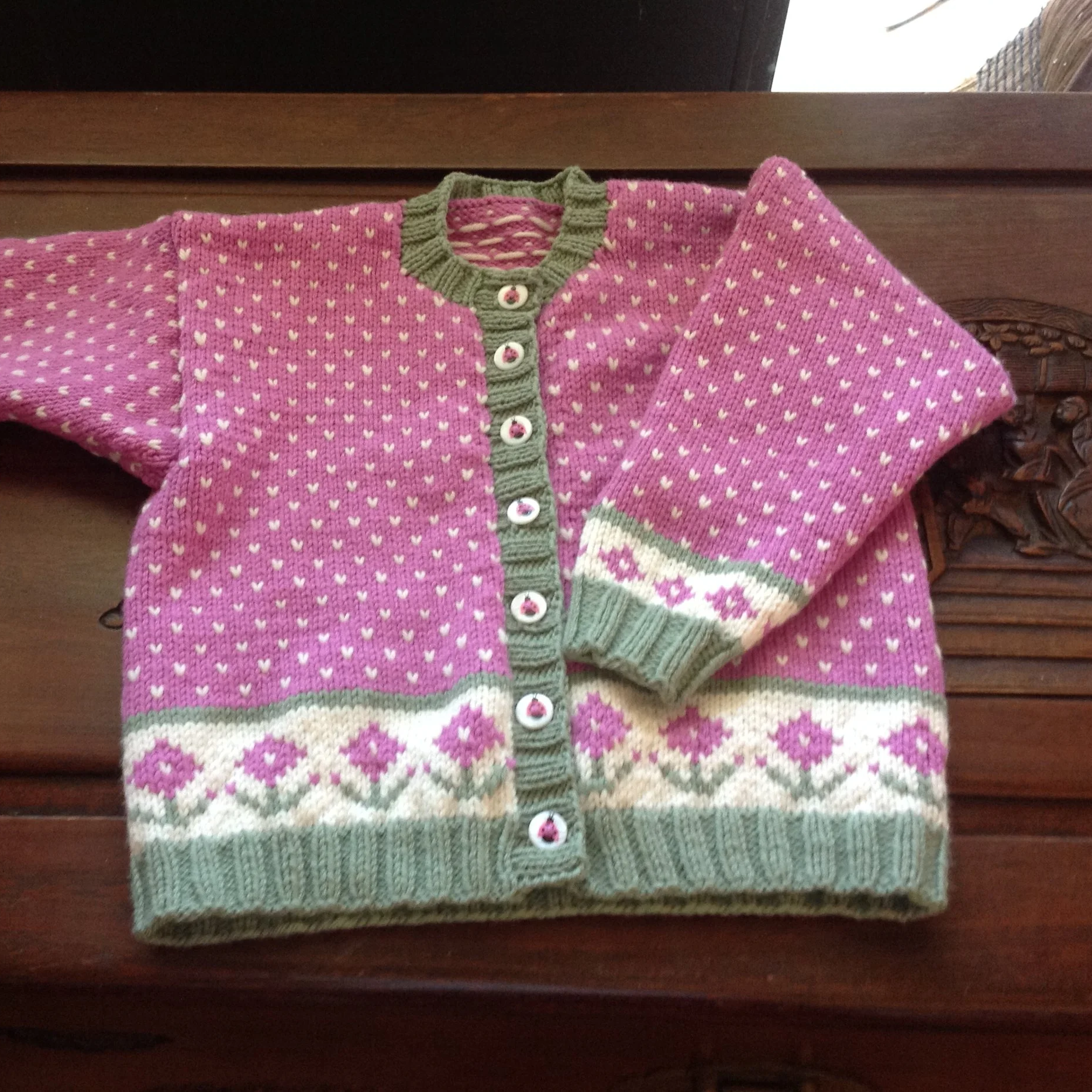
Thanks to those of you who submitted photos of finished objects for our Gallery. We hope they will inspire you to try something new. If you’d like to have a project highlighted in our next Yarn Edition newsletter, just sent me a photo and any pattern information you’d like to share.